2026 Best Bard Hemodialysis Catheter for Global Buyers

Choosing the 2026 best Bard hemodialysis catheter requires more than comparing package prices. Global buyers must examine blood-flow performance, tip configuration, cuff design, radiopacity, infection-control practices, and supply continuity. A catheter that looks efficient on paper may behave differently in a small dialysis unit with limited imaging support. Clinical reality matters.

The 2024 USRDS Annual Data Report continues to document the substantial global burden of kidney failure and the continuing dependence on hemodialysis services. KDOQI’s vascular-access guidance also emphasizes patient-centered selection, catheter function, infection prevention, and timely transition toward more durable access. These principles make product evaluation highly practical. Buyers should check whether the catheter supports the prescribed flow rate, reduces recirculation, and allows smooth connection during repeated treatments.

Vascular-access specialist Dr. Tushar Vachharajani summarizes the central concern: “A catheter should be a bridge to durable access, not the final destination.” That reminder is easy to overlook. It also deserves reflection. No Bard hemodialysis catheter is ideal for every anatomy, emergency, or healthcare system. BD’s acquisition of C. R. Bard further connects Bard vascular products with a broader medical-device organization, but brand recognition cannot replace clinical evidence. This guide therefore compares specifications, published evidence, user experience, and procurement reliability. It considers the catheter beside the dialysis chair, under real pressure, with wet gloves and a patient waiting. Availability remains important. So does training. The best choice is not always the newest model.
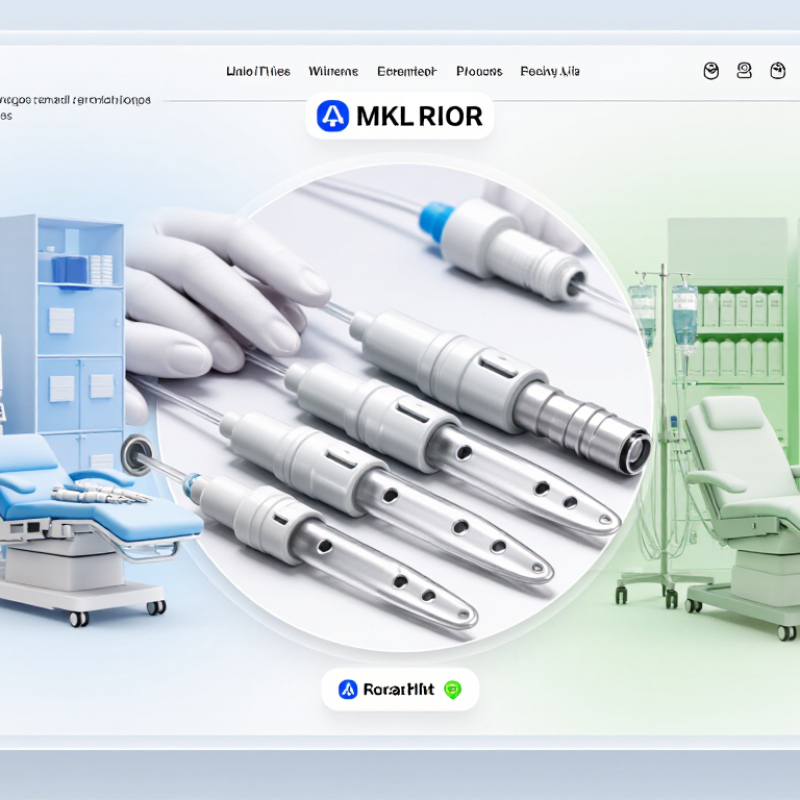
2026 Best Bard Hemodialysis Catheter for Global Buyers

Bard Hemodialysis Catheter: Definition, Design, and Clinical Purpose

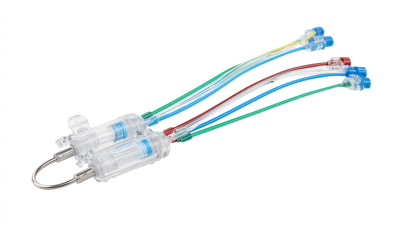
A hemodialysis catheter is a sterile vascular access device for patients who need dialysis without a mature fistula or graft. It usually contains two internal channels. One draws blood toward the dialysis machine, while the other returns filtered blood. The catheter may be tunneled beneath the skin and include a soft cuff for tissue attachment. This design can help reduce movement and limit the path for microorganisms.

Materials commonly include flexible silicone or medical-grade polyurethane. Radiopaque markings help clinicians confirm catheter position through imaging. Secure clamps, color-coded hubs, and compatible connectors support safer handling during treatment. Its clinical purpose is clear: provide reliable blood flow for prescribed hemodialysis sessions. Placement requires trained professionals, sterile technique, and appropriate imaging. Patient condition matters more than a catalogue description.

For global buyers, evaluation should include catheter length, lumen size, flow-rate data, packaging integrity, and instructions for use. Compatibility with dialysis equipment must be checked before procurement. Local registration and facility requirements also need verification. A larger lumen may support higher flow, but it is not automatically better for every patient. That assumption deserves reconsideration. In practice, cuff position, vessel anatomy, dressing care, and staff experience can influence performance. Infection, clotting, migration, and poor flow remain possible complications, even with a well-designed device. Care teams should monitor the exit site, connections, and treatment pressures during every session.

Key Features to Assess When Choosing a Bard Hemodialysis Catheter

Choosing the best hemodialysis catheter in 2026 requires more than comparing product labels. Clinical teams should assess catheter length, lumen design, tip geometry, and expected blood-flow performance. The tip should support reliable placement while reducing contact with the vessel wall. Radiopaque markers can help clinicians confirm position during imaging. Small details matter.

Material selection also deserves careful review. A biocompatible surface may reduce irritation, but performance depends on patient anatomy and handling technique. Check the cuff design, extension tubing, clamps, and connector security. These parts should support aseptic access and repeated use during the intended treatment period. Clear markings reduce connection errors.

Fit matters most.

Clinicians should compare the catheter with local protocols, available imaging equipment, and dialysis machine compatibility. Independent clinical evidence, regulatory documentation, and post-market safety information add confidence. Infection prevention features are useful, but they never replace trained insertion and maintenance. No checklist is flawless. Teams may overlook patient mobility, body size, or emergency access needs. A practical evaluation should include those factors, then be reviewed by qualified professionals before selection.

Bard Catheter Types, Sizes, Materials, and Access Configurations

Choosing a hemodialysis catheter requires more than comparing prices. The USRDS 2024 Annual Data Report recorded over 800,000 people living with kidney failure in the United States in 2022. This demand makes size, material, and access design important purchasing factors.

Common catheter sizes range from 11.5 to 15 French, with adult lengths often between 19 and 28 centimeters. Longer versions may suit patients with unusual anatomy or femoral placement. Dual-lumen designs separate arterial withdrawal from venous return, while split-tip and symmetric-tip configurations aim to improve blood flow and reduce recirculation.

Tip shape matters. A small mismatch can create frequent pressure alarms.

Most products use radiopaque polyurethane or silicone. Polyurethane offers stiffness during insertion, while silicone feels more flexible in long-term use. According to the NKF KDOQI Vascular Access Guideline, catheter selection should consider intended duration, insertion site, infection risk, and patient anatomy. The Global Kidney Health Atlas 2023 also highlights major differences in dialysis access and treatment availability between regions.

For global buyers, confirm centimeter markings, clamp design, extension-leg color coding, and packaging language. Sterile packaging should show lot numbers and expiration dates. I would not treat “high flow” claims as universal. Blood flow depends on tip position, patient movement, and nursing technique. Clinical review remains necessary before procurement.

Placement, Care, and Safety Considerations for Global Buyers

Hemodialysis Catheter Placement, Care, and Safety for Global Buyers

Choosing a hemodialysis catheter requires more than comparing price, length, and lumen design. KDOQI’s 2019 guideline identifies catheters as less preferred for long-term access than fistulas or grafts. Still, urgent treatment often makes catheter placement necessary. Ultrasound guidance, full sterile barriers, and appropriate tip confirmation should be available. Local anatomy matters. So does staff experience.

Placement should follow a documented infection-prevention checklist. The CDC’s Dialysis Event Surveillance reports consistently show higher bloodstream infection risk with central venous catheters than with fistulas. WHO’s 2022 global infection prevention report states that strong programs can reduce healthcare-associated infections by up to 70%. This figure is not dialysis-specific, but it supports strict daily practice. Hand hygiene, skin antisepsis, clean dressings, and hub disinfection cannot be treated as paperwork.

Care teams should inspect the exit site during every treatment. Redness, drainage, tenderness, fever, or unexplained chills require prompt clinical assessment. Catheters should not be used casually for blood sampling or infusion. Buyers should verify connector compatibility, packaging integrity, shelf life, training materials, and regulatory clearance in each target market. A cheaper catheter may create higher training and complication costs. That part is easy to underestimate. Evidence also leaves practical gaps between hospitals, especially where imaging and infection surveillance are limited. Procurement decisions should acknowledge those limits, not hide them.

International Purchasing, Regulatory Checks, and Supplier Evaluation

2026 Best Hemodialysis Catheter for Global Buyers

International buyers should define the clinical need before comparing prices. Choose the catheter type, lumen configuration, length, and intended placement site with qualified clinicians. Confirm that the product matches local dialysis protocols and patient-care conditions. A low unit price can hide higher costs from rejected shipments, training, or replacement stock.

Regulatory checks require careful, market-specific evidence. Request the current instructions for use, sterilization records, shelf-life data, biocompatibility reports, and lot-traceability procedures. Verify the manufacturer’s quality system, such as ISO 13485 certification, through valid documents and independent checks. Registration requirements differ by country. Confirm approval status with the relevant national authority, not only with a supplier’s sales team. Packaging should show clear lot numbers, expiry dates, storage conditions, and damage controls.

Tips: Ask for samples, but inspect them under realistic handling conditions. Review the connector fit, clamp movement, labeling, and package seal. Request references from hospitals with similar purchasing volumes. Check audit access, complaint response times, recall procedures, and delivery performance. A polished website proves little. A detailed technical file matters more.

Supplier evaluation should include payment terms, export experience, shipping documents, and continuity planning. Ask how the supplier manages material shortages or sudden regulatory changes. Some buyers overlook after-sales support. That can become a serious weakness during staff training or a product investigation. No evaluation is perfect, so record assumptions and revisit them before signing a long-term agreement.