2026 Top Private Label Skincare Manufacturers?
Choosing a private label skincare manufacturer in 2026 means looking beyond polished sample jars and attractive pricing. A serum may feel silky on the first day, yet its texture can change after months in a warm warehouse. The right partner should explain how it handles formulation, stability testing, packaging compatibility, production capacity, and quality checks. Ask for specific documents, not broad promises. Small details matter: a pump that clogs, a label that peels, or a delayed batch can affect a launch.
Cosmetic chemist Perry Romanowski’s work offers a useful formulation-minded principle for this guide: “A product earns trust when its formula, testing, and claims hold up beyond the sales pitch.” This is an editorial summary, not a verbatim quotation. No shortlist is perfect. Supplier capabilities change, and a manufacturer that suits a new brand may not suit an established retailer. The companies discussed under “2026 Top Private Label Skincare Manufacturers” should therefore be assessed against your product brief, order volume, budget, and required level of customization. Compare sample quality with written specifications. Check whether the manufacturer can explain ingredient choices in plain language and provide consistent batch records. Also ask who owns the formula and what support is available when packaging or production problems arise. A glossy catalog is not enough. Reliable answers are. The aim is not to find the biggest factory, but a capable partner whose evidence and communication match your brand’s needs. Expect trade-offs, and verify details before committing.
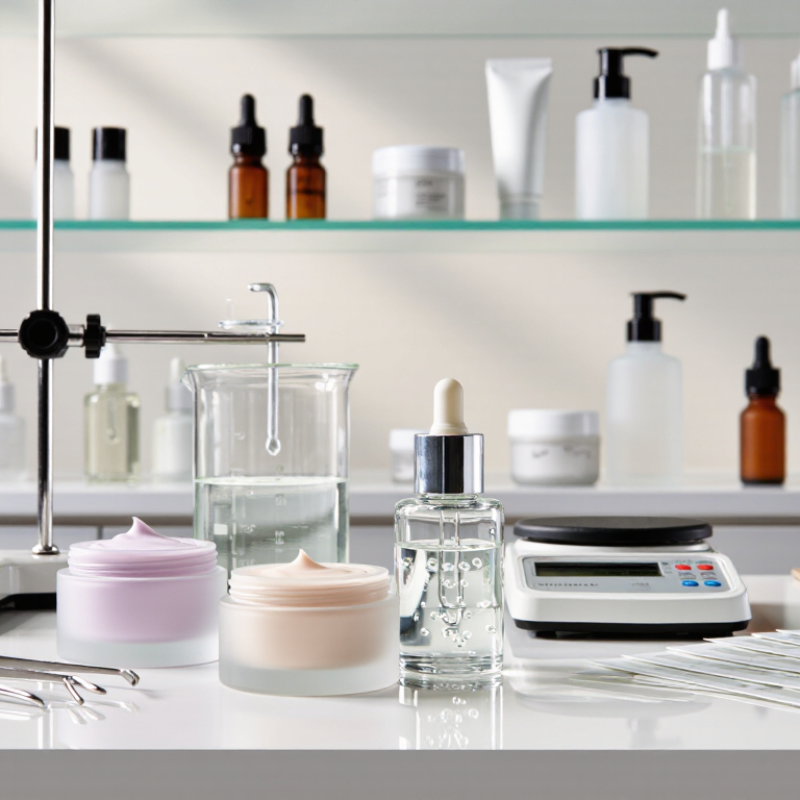
What Private Label Skincare Manufacturers Do
Private label skincare manufacturers turn a product brief into a repeatable, shelf-ready formula. They may offer ready-made bases or develop a cleanser, serum, or cream around texture, target cost, and packaging needs. Their work can include ingredient sourcing, bench samples, stability checks, package compatibility, batch production, filling, and quality records. Small details matter: a pump can clog when a thick serum sits in a cold warehouse. Not glamorous, but consequential. McKinsey’s 2023 State of Beauty projected the global beauty market could reach $580 billion by 2027, growing about 6% annually. That scale makes reliable supply as important as attractive packaging.
Manufacturers also coordinate minimum order quantities, lead times, artwork checks, and production schedules. The product owner still approves claims and final specifications. Cosmetics Europe reported €96 billion in European cosmetics and personal-care retail sales in 2023, reflecting demand across many price points and routines. A capable manufacturer can ease execution, but it cannot rescue a vague brief or unrealistic launch date. Ask about sample batch records, test scope, change-control steps, and ownership of unused packaging. Even then, development can disappoint: a silky lab sample may feel tacky after weeks in a real bathroom.
2026 Top Private Label Skincare Manufacturers: What They Do
MoCRA compliance timelines relevant to skincare manufacturing and the businesses responsible for products sold in the U.S.
Under MoCRA, covered cosmetic facilities generally renew FDA registration every two years. The responsible person must keep serious adverse event records for six years, or three years for qualifying small businesses, and report serious adverse events to FDA within 15 business days. Private label manufacturers may support production and compliance, but the product’s responsible person depends on the facts, including who is named on the label.
Source: U.S. Food and Drug Administration (FDA), Modernization of Cosmetics Regulation Act of 2022 (MoCRA). Timeline values shown in years.
How to Evaluate Manufacturers for a 2026 Skincare Brand
How to Evaluate Manufacturers for a 2026 Skincare Brand
Choosing a skincare manufacturer takes more than comparing sample jars. Ask how the team handles formulation changes, production records, and quality checks. Request examples of batch documentation, ingredient specifications, and stability testing. Then check whether the proposed tests fit your formula, packaging, and intended market. A cream that looks smooth on day one may separate after weeks of heat exposure. Ask about packaging compatibility, too. Small details matter. Confirm minimum order quantities, lead times, and how delays are communicated. A low quoted price can look attractive, but unclear fees may change the real cost. Verify relevant certifications and audit information independently; a logo on a brochure is not enough.
Tips: Send the same questions to each candidate. Compare written answers, not just sales calls. Ask who investigates a failed batch and what records you can review. Keep notes.
Before signing, agree on responsibilities for formula ownership, approved changes, sample retention, and complaint handling. Make sure the contract reflects the actual workflow. Review how raw materials are sourced and tracked, especially when suppliers change. You may not need the largest facility. You need one that can explain its controls clearly and support your expected order size. One imperfect point: teams often focus heavily on price and overlook communication. That can be hard to fix once production starts. Request a small pilot run when practical, then inspect the product and records before scaling.
Leading Private Label Skincare Manufacturers in 2026
In 2026, leading private label skincare manufacturers stand out through reliable development, clear communication, and consistent production—not attractive sample jars alone. Look for teams that explain their formulation process and can provide stability, compatibility, and microbiological testing details. Ask how they assess changes in color, scent, or texture over time. Small details matter.
A capable manufacturer should discuss ingredient sourcing, production controls, packaging options, and realistic minimum order quantities. Request documentation relevant to your target market, and confirm who reviews product claims and labeling. Do not treat a certificate or polished presentation as proof of every capability. Verify the scope and date.
Experience shows up in useful questions. A careful partner may ask about skin feel, climate, dispensing habits, and the customer you want to reach before recommending a formula. Request a pilot batch when possible, then check the product in its final package. It takes time. I would not judge a supplier by speed alone; I have seen quick samples create confidence before practical testing begins. Compare written timelines, sample results, and responses to problems. That evidence gives a more grounded picture of who can support a skincare line from development through repeat production.
Formulation, Packaging, and Production Capabilities
A capable private label skincare manufacturer should explain how an idea becomes a repeatable formula, not just show a polished sample. Ask for the product brief, ingredient rationale, stability plan, and batch controls. Details matter. A lotion that feels smooth in a lab jar may thicken after filling or separate during storage. Reliable teams describe what they tested and what remains uncertain.
Packaging is part of formulation work. A pump, jar, or tube can change how a product is dispensed and exposed to air. Request compatibility checks using the intended formula and packaging, not a similar substitute. Review label dimensions, closure fit, and sample lead times early. Small mismatches can delay a production run. They happen.
Production capability is more than a large facility. Ask how pilot batches are reviewed, how filling temperatures are monitored, and how records connect finished units to a batch. Confirm minimum order quantities, production timelines, and procedures for handling defects. No manufacturer can remove every trade-off between cost, texture, packaging, and speed. It is easy to overvalue a beautiful sample; the less exciting paperwork often gives a clearer picture of consistency.
How to Select the Right Manufacturer for Your Brand
Choosing a private label skincare manufacturer starts with your product brief, not a polished sales presentation. Define the formula type, target price, packaging, and expected order volume before requesting quotes. Ask how the manufacturer handles ingredient sourcing, batch records, stability testing, and quality checks. Request relevant documentation, then confirm that it applies to the product and facility you are considering. Details matter.
Tips: Request a sample made to your proposed specifications, not just a standard catalog sample. Ask about minimum order quantities, production timelines, revision limits, and who owns the formula. Get answers in writing. Compare the full cost, including packaging and freight, rather than focusing only on the unit price.
Evaluate communication as carefully as capability. Send a short list of practical questions and note whether answers are clear, specific, and consistent. Ask what happens when a batch misses agreed specifications, and how issues are documented and resolved. A polished sample is not proof of reliable production; repeat samples and records can offer stronger evidence. If a supplier avoids reasonable questions, treat that as useful information. Even a thorough review cannot remove every risk, and it is easy to overlook small details when launch deadlines feel close. Keep a written checklist and verify key claims before committing.
