Top 10 Benefits of Hydrophilic Coating Catheters for Enhanced Patient Comfort
In recent years, the healthcare industry has witnessed significant advancements in medical devices, with hydrophilic coating catheters emerging as a prominent innovation aimed at enhancing patient comfort. According to a report by Market Research Future, the global hydrophilic catheter market is projected to reach USD 3.3 billion by 2025, reflecting a robust annual growth rate driven by increasing patient awareness and demand for minimally invasive procedures. These catheters, characterized by their ability to reduce friction and provide a smooth insertion experience, are becoming a critical component in urology, cardiology, and other medical fields.
The advantages of hydrophilic coating catheters extend beyond comfort; they also contribute to improved patient adherence and reduced complications. A study published in the Journal of Urology noted that patients using hydrophilic catheters reported significantly less discomfort compared to those using non-coated alternatives, leading to higher rates of successful catheterization and lower instances of urinary tract infections. As healthcare providers continue to prioritize patient outcomes and satisfaction, the integration of hydrophilic coatings into catheter design is poised to transform the landscape of patient care in the coming years. The following discourse will explore the top 10 benefits of these innovative devices, underscoring their impact on both clinicians and patients alike.
Advantages of Hydrophilic Coating in Reducing Catheter Friction During Insertion
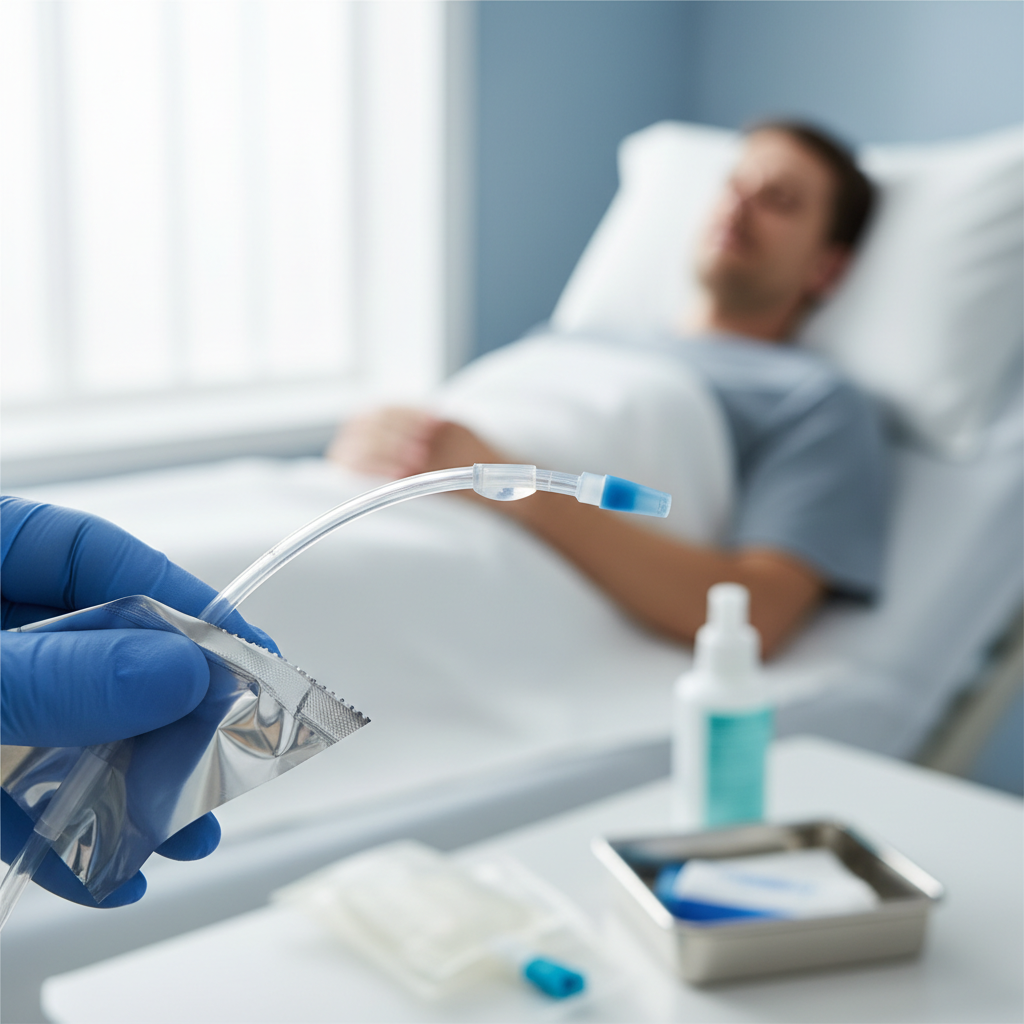
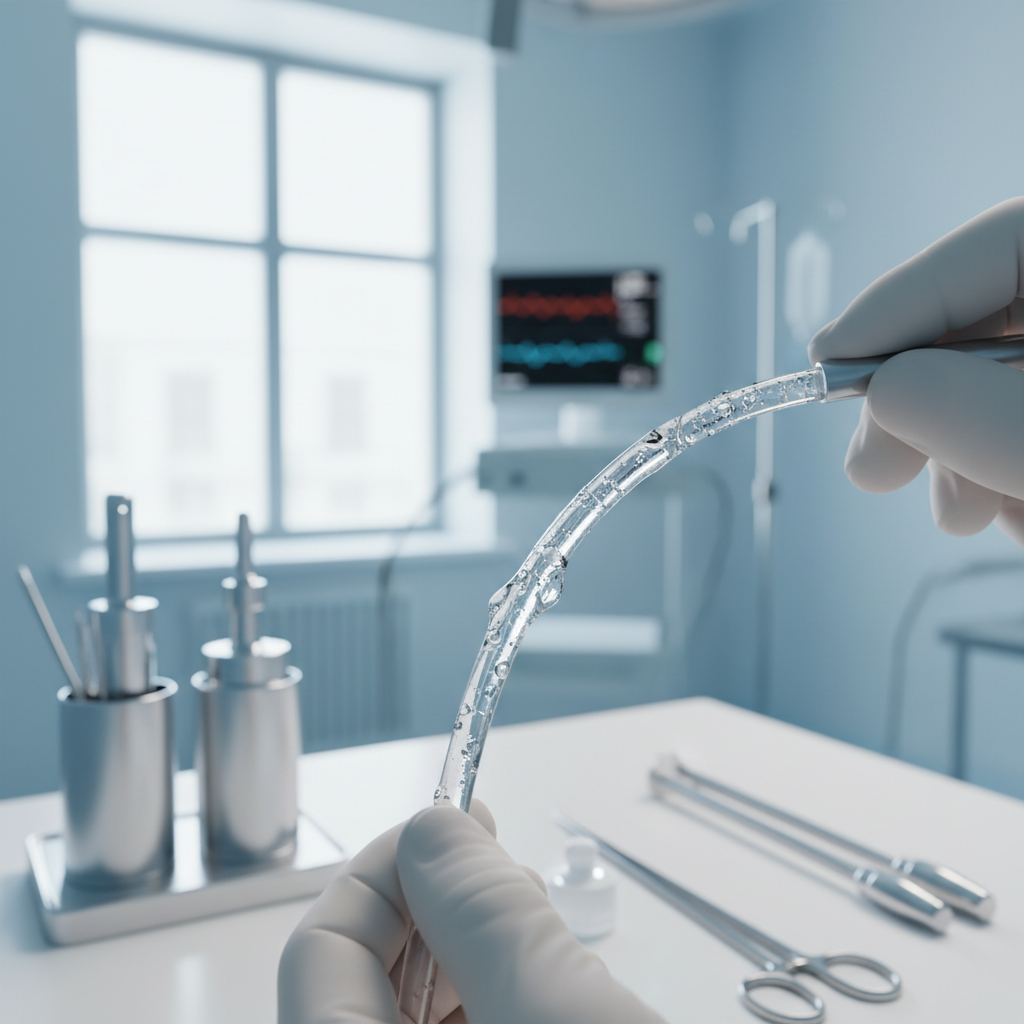
Hydrophilic coating catheters are revolutionizing patient comfort by significantly reducing friction during insertion, a critical aspect in minimizing discomfort and trauma associated with catheter use. Recent advancements in materials science, particularly in hydrogel coatings, have made catheters not only easier to insert but also safer. Traditional catheters are often made from hydrophobic materials, which can cause increased resistance and discomfort. However, hydrophilic coatings provide a slick surface that allows for smoother insertion and withdrawal, enhancing the overall patient experience.
Furthermore, innovations in microextrusion and surface modification techniques have underscored the importance of hydrophilic coatings. These advances enable the production of ultra-thin, high-strength catheters that retain their functionality while minimizing friction. Surface-modifying additives have been shown to reduce friction by up to 90%, thereby eliminating issues like coating delamination and particulate formation, which are common concerns with traditional catheter designs. As the healthcare industry continues to evolve, the integration of these cutting-edge technologies stands to significantly enhance patient care and comfort.
Enhanced Biocompatibility: Why Hydrophilic Coatings Promote Patient Safety
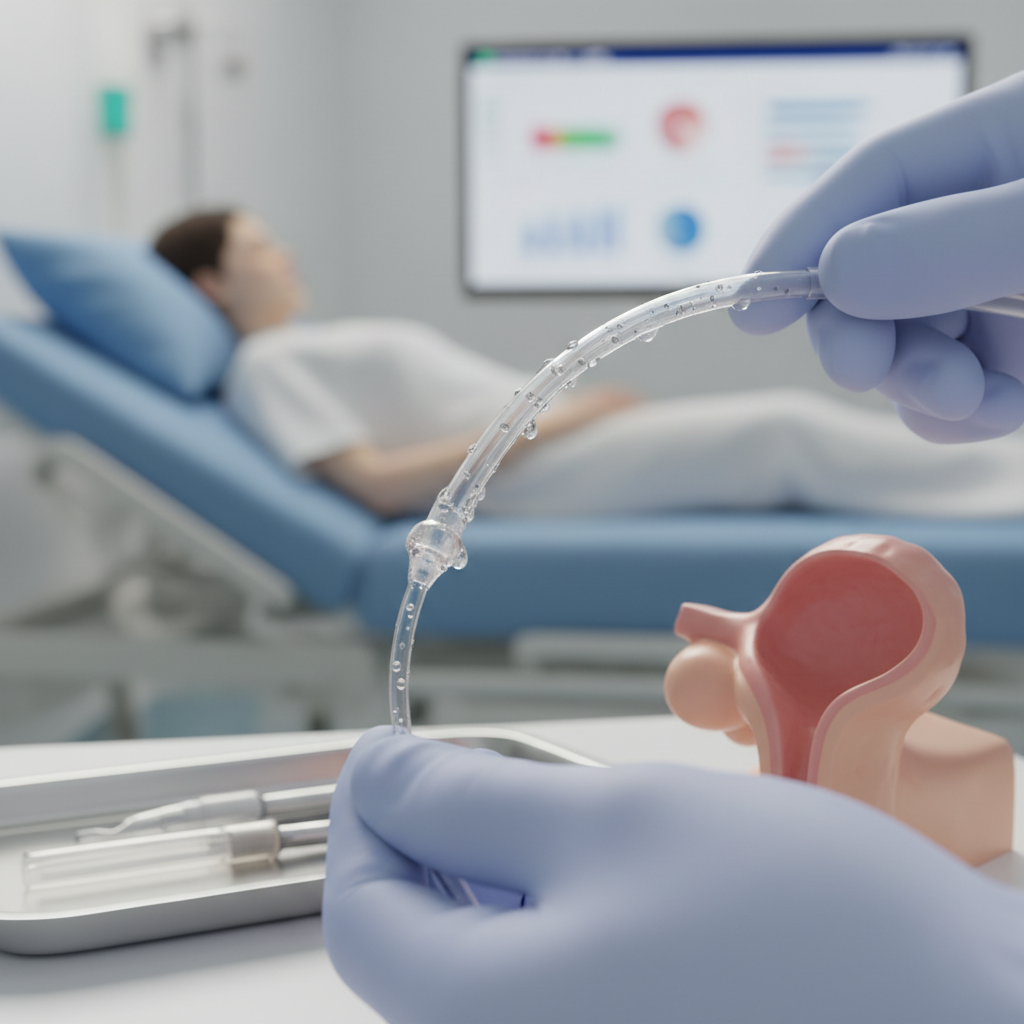
Hydrophilic coatings on catheters have emerged as a breakthrough in enhancing biocompatibility and promoting patient safety. These specialized coatings create a lubricious surface when in contact with water, significantly reducing friction during catheter insertion and removal. According to a report from the Medical Device Innovation Consortium, greater than 75% of healthcare professionals have noted a reduction in patient discomfort associated with the use of hydrophilic catheters compared to traditional options. This improvement not only enhances the overall patient experience but also minimizes the risks of tissue trauma and infection.
The enhanced biocompatibility of hydrophilic-coated catheters lies in their ability to prevent the accumulation of harmful pathogens on the catheter surface. A study published in the Journal of Urology found that hydrophilic-coated catheters demonstrated a 40% reduction in bacterial colonization compared to standard catheters. This significant decrease in microbial adhesion is vital, considering that urinary tract infections (UTIs) are among the most common hospital-acquired infections, affecting nearly 30% of hospitalized patients who require catheterization. By utilizing hydrophilic coatings, healthcare providers can help enhance patient safety, reduce complication rates, and improve overall treatment outcomes.
Improved Patient Experience: How Hydrophilic Catheters Alleviate Discomfort
Hydrophilic catheters have emerged as a critical innovation in enhancing patient comfort during catheterization. By utilizing a hydrophilic coating, these catheters significantly reduce friction, making the insertion process smoother and less painful. Patients often experience reduced urethral trauma and a lower risk of urinary tract infections (UTIs), crucial factors that contribute to an improved overall experience. The soft-tipped design complements the hydrophilic properties, allowing for a gentler approach during both intermittent and continuous catheterization.
The advantages of hydrophilic-coated catheters extend beyond comfort; they also address common complications associated with traditional catheters. Reviews have indicated that these advanced designs can effectively decrease the incidences of urethral pain and trauma, making them particularly beneficial for patients with neurogenic conditions. As the market for intermittent catheters continues to grow, innovations in material science are paving the way for sleek, user-friendly options that prioritize patient well-being. Enhanced comfort and safety features are reshaping the landscape of catheterization, fostering a more positive healthcare experience.
Minimizing Risk of Infection: The Role of Hydrophilic Coatings in Catheter Use
Hydrophilic coatings on catheters have gained significant attention in the medical community primarily due to their role in reducing the risk of infection. According to a report by the National Institute of Health, catheter-associated urinary tract infections (CAUTIs) account for approximately 75% of all hospital-acquired urinary infections. Implementing hydrophilic coatings can significantly decrease the friction during catheter insertion and removal, thus minimizing trauma to the urethra. This reduction in trauma is vital, as studies indicate that traumatic catheter insertion is directly linked to a higher risk of introducing pathogens into the urinary tract.
Furthermore, hydrophilic coatings provide a lubricated surface that stays moist, which is crucial for maintaining a sterile environment. Research published in the Journal of Urology highlights that catheters with hydrophilic coatings have shown a 50% reduction in bacterial colonization when compared to traditional catheters. This data underlines the coatings' effectiveness in enhancing patient outcomes by minimizing bacterial adherence, ultimately leading to fewer infections and improved overall patient comfort during catheterization procedures.
Longer Duration of Use: Benefits of Hydrophilic Coated Catheters for Extended Procedures
Hydrophilic coated catheters have emerged as a crucial innovation in medical procedures, particularly for extended durations of use. The unique coating creates a slippery surface when hydrated, significantly reducing friction during catheter insertion and removal. This characteristic is especially beneficial during prolonged procedures where comfort is paramount. Patients experiencing lengthy catheterization often report discomfort and pain; however, hydrophilic coatings mitigate these issues by minimizing trauma to the urethra, leading to an improved overall experience.
Moreover, the hydrophilic properties contribute to less irritation and a lower risk of urethral injury, allowing healthcare providers to focus on the procedure rather than patient discomfort. This enhanced comfort allows for longer use of catheters without compromising patient care or safety. As a result, medical professionals can leverage these catheters for longer procedures, improving patient outcomes while also promoting quicker recoveries. By incorporating hydrophilic coated catheters into clinical practice, healthcare facilities can significantly enhance patient comfort levels during extended medical interventions.
Top 10 Benefits of Hydrophilic Coating Catheters for Enhanced Patient Comfort
| Benefit |
Description |
Impact on Patient Comfort |
| Reduced Friction |
Hydrophilic coatings reduce surface friction, making catheter insertion smoother. |
Minimizes discomfort during insertion. |
| Lower Risk of Urethral Injury |
The lubricated surface decreases the likelihood of damage to the urethra. |
Improves overall safety and comfort. |
| Extended Wear Time |
Hydrophilic coatings allow for longer use without the need for frequent changes. |
Reduces hassle for patients during extended procedures. |
| Comfortable Design |
Ergonomic shapes are often used to improve user experience. |
Enhances patient satisfaction with catheter use. |
| Reduced Catheter-Associated Infections |
Hydrophilic coatings can inhibit bacterial growth. |
Leads to fewer complications and better outcomes. |
| Improved Catheter Visibility |
Some hydrophilic coated catheters incorporate materials that enhance visibility. |
Aids healthcare professionals in management. |
| Easier Handling |
The coating provides better grip for healthcare providers. |
Enhances precision during procedures. |
| Temperature Regulation |
Coatings can help maintain the catheter at a comfortable temperature. |
Improves overall patient comfort. |
| Less Psychological Stress |
Patients feel more at ease knowing their catheter is designed for comfort. |
Enhances the overall experience of the procedure. |
| Enhanced Patient Mobility |
Flexible and lightweight design promotes mobility. |
Allows patients to move more freely. |