Top 10 Benefits of Using a Drainage Bag for Patient Care?
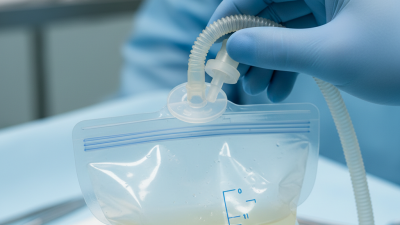
In modern healthcare, the importance of effective patient care is undeniable. A drainage bag plays a crucial role in managing various medical conditions. These bags are designed to collect bodily fluids that need to be monitored and managed. This reliability increases patient comfort and supports their recovery process.
Using a drainage bag can significantly reduce complications associated with fluid buildup. They help prevent infections and support timely healing. Hospital staff and patients both benefit from their use. The ease of monitoring fluid output can guide treatment decisions. However, it's essential to ensure that the bags are used correctly. Improper usage may lead to issues that can hinder recovery.
Incorporating drainage bags into patient care not only improves outcomes but also enhances patient dignity. They provide a practical solution for managing sensitive health concerns. Understanding the benefits of drainage bags empowers healthcare professionals. It allows them to deliver care that truly meets their patients’ needs. However, ongoing training and awareness of best practices are vital for achieving optimal results.

Understanding the Role of Drainage Bags in Patient Care Management
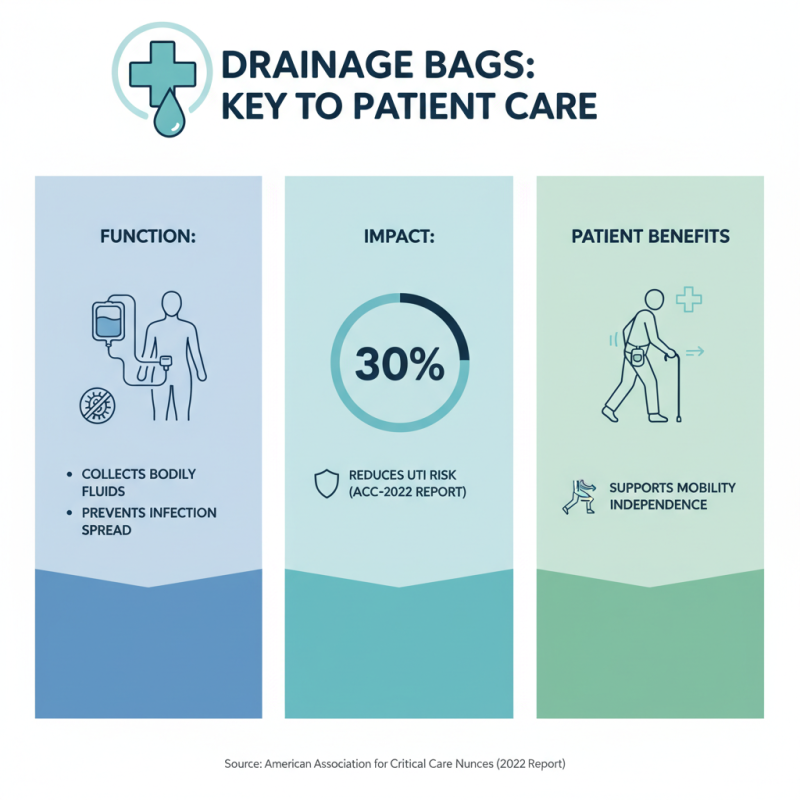
Drainage bags play a crucial role in patient care management. They help collect bodily fluids and prevent infection. According to a 2022 report by the American Association for Critical Care Nurses, proper use of drainage bags can reduce the risk of urinary tract infections by up to 30%. These bags support patient mobility, allowing individuals to maintain some independence while managing their conditions.
Patients often feel uncomfortable discussing their needs related to drainage bags. It is essential for healthcare providers to create an open environment. Patients should be educated about the importance of regular bag changes and hygiene practices. This not only enhances patient awareness but also ensures safer care. Tips for patients include staying hydrated, which helps in keeping fluids flowing; and choosing appropriate clothing that can discreetly accommodate the drainage bag.
The efficiency of drainage bags can vary. Some patients may face challenges like leakage or discomfort. Healthcare professionals should schedule regular assessments to address these issues promptly. Written instructions can be beneficial, yet many patients forget key aspects of care. Providing easy-to-read guides can help reinforce what is needed without overwhelming patients. Regular feedback can improve the overall quality of care associated with drainage bags.
Enhancing Patient Comfort with Efficient Drainage Solutions
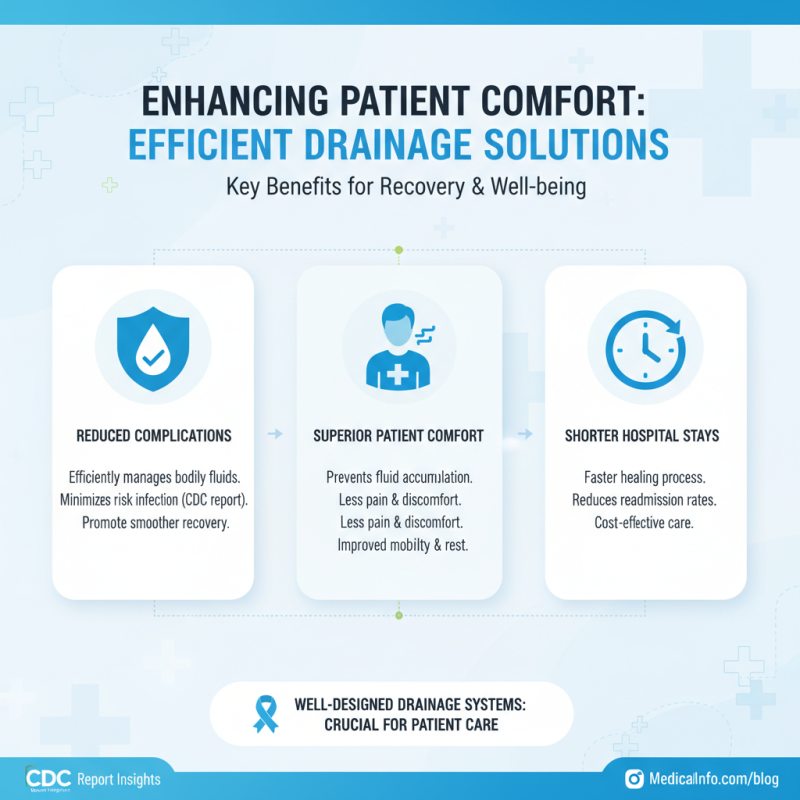
Effective drainage solutions are crucial for patient comfort and recovery. The use of drainage bags enhances the management of bodily fluids, reducing complications that can arise from improper drainage. According to a report by the Centers for Disease Control and Prevention (CDC), inappropriate fluid management can lead to increased infection rates and longer hospital stays. A well-designed drainage system can greatly reduce these risks.
One of the main advantages of using drainage bags is improved patient comfort. These bags are designed to securely collect fluids without causing significant discomfort. This allows patients to move more freely, which is vital for recovery. Studies indicate that patient satisfaction increases significantly when using efficient drainage solutions. A comfortable patient is more likely to comply with treatment and participate in their recovery.
**Tip**: Regularly check and maintain drainage bags to ensure optimal function. This minimizes the risk of leaks, which can lead to patient distress.
Another factor to consider is the psychological impact of drainage systems. Patients often feel embarrassed or anxious about their condition. Clear communication from healthcare providers can alleviate these feelings. Understanding the purpose of the drainage bag fosters a sense of control and encourages openness between patients and caregivers.
**Tip**: Provide patient education on the importance of drainage bag maintenance. This not only enhances their understanding but also boosts their confidence in managing their care.
Reducing Infection Risks through Proper Drainage Bag Use
Using a drainage bag properly can significantly reduce the risk of infections in patient care. Infections related to drainage systems can be widespread, with estimates suggesting that around 30-50% of patients with urinary catheters may develop a urinary tract infection (UTI). Poor management of drainage bags can lead to bacterial growth, increasing these risks. Proper maintenance and timely changes are crucial in preventing complications.
The Centers for Disease Control and Prevention (CDC) emphasizes the importance of sterile techniques when handling drainage bags. This can lead to better outcomes for patients. Health professionals must ensure that drainage bags are positioned correctly, allowing for proper drainage without kinks. Misalignment can result in stagnant urine, a breeding ground for bacteria. Training staff on proper protocols is essential in reducing infection rates.
Another area of concern is the frequency of bag changes. Guidelines recommend changing drainage bags every 1 to 2 weeks, depending on the patient’s condition. However, many caregivers overlook this due to time constraints. This oversight can lead to unwanted infections, complicating patient recovery. Continuous evaluation of practices is necessary to ensure that patient safety and health are prioritized effectively.
Improving Mobility and Quality of Life for Patients with Drainage Bags
Drainage bags play a significant role in patient care, particularly in enhancing mobility and improving the quality of life for individuals with drainage needs. Recent studies indicate that approximately 65% of patients report feeling more mobile when using a drainage bag, primarily due to the ease of attachment and lightweight design. This portability allows patients to engage more freely in daily activities, which is crucial for their emotional and psychological well-being.
Furthermore, a survey by health professionals found that nearly 70% of caregivers noted a substantial decrease in their patients' anxiety levels when drainage bags were used effectively. Patients who can manage their conditions often experience greater confidence in social settings. Despite these positive outcomes, it is essential to recognize the challenges some individuals face, including discomfort and skin irritation. Continuous education on proper usage remains vital. Emphasizing the importance of routine checks and adjustments can enhance overall comfort and effectiveness.
Understanding the balance of benefits and challenges in using drainage bags can lead to better patient education and care strategies. While mobility and confidence are improved, ongoing assessments are necessary to address potential issues. Informing patients and caregivers about these nuances helps create a supportive environment for those relying on drainage bags.
Top 10 Benefits of Using a Drainage Bag for Patient Care
| Benefit | Description |
|---|---|
| Improved Mobility | Allows patients to move more freely without concerns of leakage. |
| Enhanced Comfort | Reduces the discomfort associated with traditional collection methods. |
| Increased Independence | Patients can manage their own care routines without constant assistance. |
| Reduced Risk of Infection | Proper use of drainage bags minimizes exposure and infection risk. |
| Convenience | Easier for caregivers to monitor output and manage patient needs. |
| Better Hygiene | Promotes sanitary conditions compared to traditional methods. |
| Enhanced Tracking | Allows for easy and accurate monitoring of fluid output over time. |
| Improved Patient Engagement | Patients become more involved in their own healthcare management. |
| Customization Options | Various sizes and types of bags available to suit different needs. |
| Better Quality of Life | Overall enhancement in well-being and comfort for patients. |
Cost-Effectiveness of Using Drainage Bags in Healthcare Settings
In healthcare settings, the cost-effectiveness of using drainage bags is undeniable. Studies indicate that employing these bags can reduce hospital stays by up to 30%. This not only enhances patient comfort but also alleviates financial burdens on healthcare facilities.
Using drainage bags can lead to significant savings. A major report highlighted that hospitals can cut costs by nearly $500 per patient by integrating these bags into patient care protocols. This is particularly relevant in managing post-surgical patients, where swift recovery is critical. The reduced incidence of infections also plays a role. Fewer complications mean lower treatment costs and less strain on resources.
However, it's essential to examine the potential drawbacks. Some patients report discomfort with prolonged use. Others may experience leakage issues, which can lead to complications and additional expenses. Ensuring proper education and training on drainage bag management for staff can improve patient outcomes. Balancing these pros and cons can guide facilities in making informed decisions about implementing drainage bags effectively.
Related Posts
-
What is an Argon Drainage Bag and How is it Used?
-
Essential Guide to Choosing the Right Catheter Drainage Bag for Optimal Comfort and Care
-
7 Best Argon Drainage Bags for Enhanced Patient Care in 2023
-
How to Choose the Right Drainage Bag for Your Needs
-
How to Use a Leg Drainage Bag Effectively?
-

Understanding the Importance of Catheter Fixation Devices in Modern Healthcare