Best IVC Filter Retrieval Solutions for Global Buyers?

The demand for effective IVC filter retrieval solutions continues to rise globally. Medical professionals increasingly seek methods to safely remove IVC filters that have been left in patients for extended periods. The effectiveness of retrieval systems directly impacts patient outcomes. Understanding these solutions is crucial for healthcare providers and patients alike.

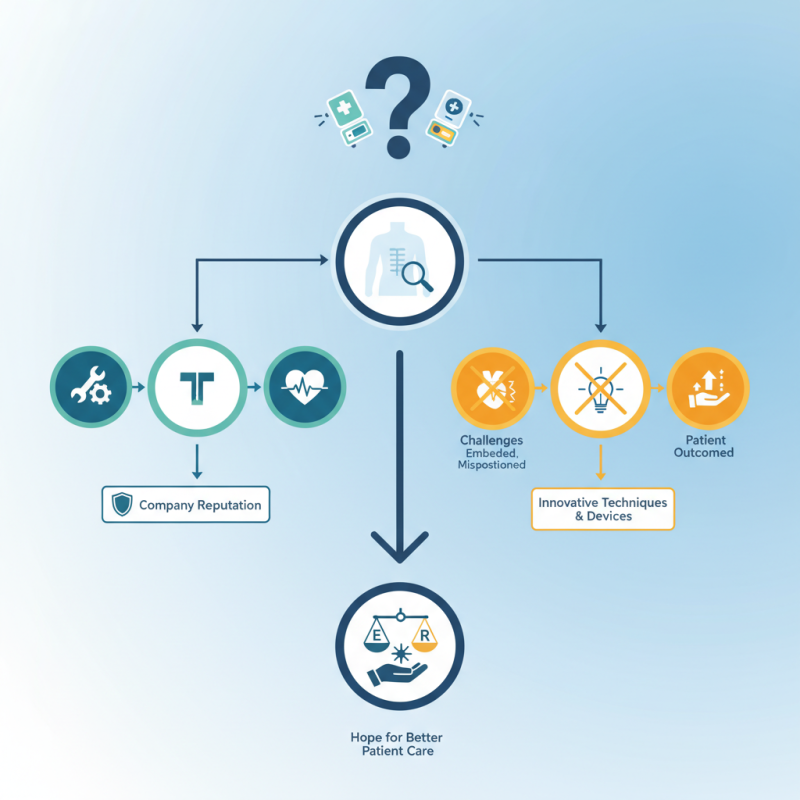
IVC filter retrieval is not without challenges. Devices can become embedded or mispositioned, making retrieval complicated. Developing innovative techniques and reliable devices is vital. The right retrieval solution can minimize complications and enhance recovery rates.

Exploring different IVC filter retrieval options is essential for buyers. This involves examining various tools, techniques, and company reputations. Buyers must weigh efficacy against potential risks. As the field evolves, continuous improvements in retrieval methods offer hope for better patient care.
Best IVC Filter Retrieval Solutions for Global Buyers?

IVC Filter Overview: Purpose and Types

IVC filters, or inferior vena cava filters, serve an essential role in preventing pulmonary embolism. These devices capture blood clots before they can reach the lungs. They are often used for patients at high risk of thromboembolism. Understanding their purpose helps in making informed decisions.

There are various types of IVC filters, including permanent and retrievable options. Permanent filters remain in the body and provide continuous protection. Retrievable filters, on the other hand, are designed for temporary use. They can be removed once the risk diminishes. Each type has specific use cases. For example, a retrievable filter is advisable for patients with temporary clot risks, such as during surgery or long periods of immobility.

Not all filters are suitable for every patient. Potential complications may arise from any procedure involving IVC filters. Patients and healthcare providers must evaluate the necessity and longevity of each filter type. This decision should be made with careful consideration, as the risks and benefits vary significantly from person to person.
Importance of Retrieval: Risks of Retained Filters

Best IVC Filter Retrieval Solutions for Global Buyers?

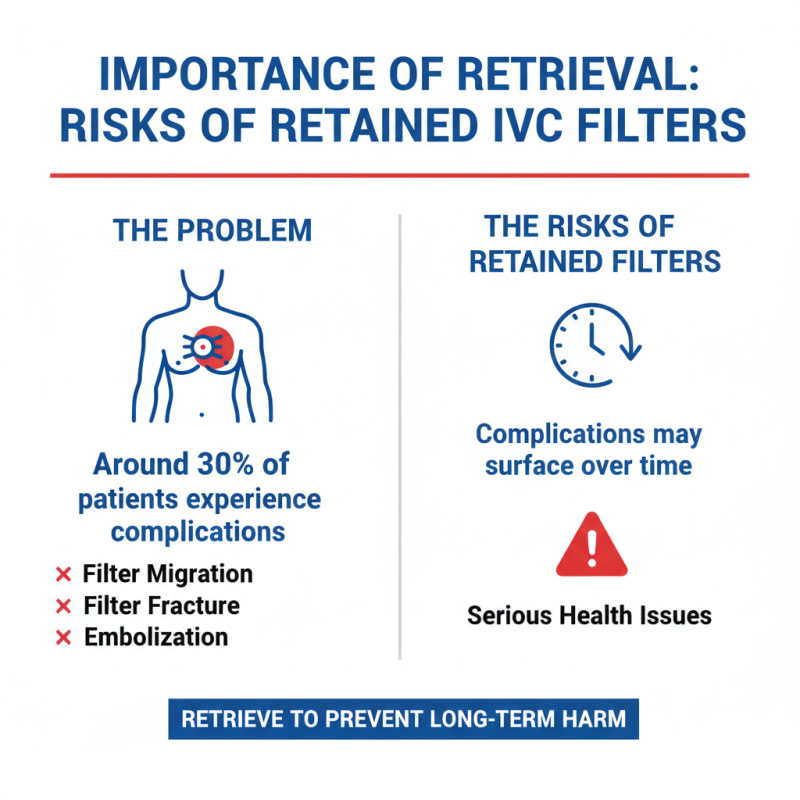
The importance of retrieving IVC filters cannot be overstated. Studies indicate that around 30% of patients with these filters experience complications. These can include filter migration, fracture, or even embolization, leading to serious health issues. Retained filters pose risks that may not surface immediately, complicating patient health over time.

Experts suggest that timely retrieval is essential. According to a recent study, filters that remain implanted for longer than three months have a retrieval success rate that drops dramatically to below 50%. This trend raises concerns, especially since the longer a filter stays, the higher the risk of complications. Approximately 10% of patients will develop serious complications related to retained filters, highlighting the pressing need for effective retrieval solutions.

While advancements in retrieval techniques are promising, challenges remain. Many healthcare providers report difficulties in accessing the filters due to body factors or technical failures. Identifying patients who are at risk of complications early can help mitigate these issues. Continuous training and education for healthcare professionals are crucial for improving retrieval success rates and ultimately enhancing patient outcomes.

Key Players in IVC Filter Retrieval Technologies

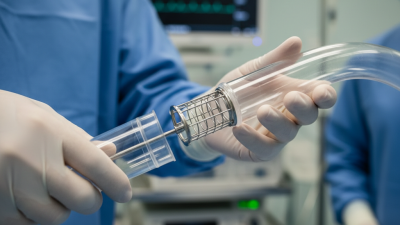
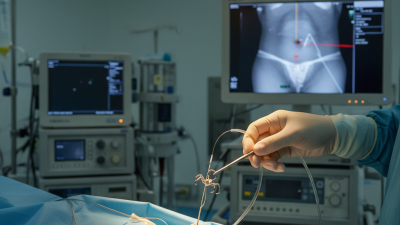
When exploring IVC filter retrieval technologies, several key players stand out. These companies focus on enhancing the safety and effectiveness of filter retrieval. Their innovations have changed the landscape of this critical medical procedure. Advanced imaging techniques enable precise localization of filters. This reduces retrieval complications and improves patient outcomes.


It's essential to stay informed about the latest advancements in IVC filter retrieval. As the technology evolves, some practitioners may still rely on outdated methods. This can lead to increased risks during retrieval procedures. Embracing new techniques and equipment is vital for successful outcomes.


Remember, evaluating a company’s expertise and experience is crucial when selecting a solution. Look for those that have proven results and positive reviews from medical professionals. Regular training and education for healthcare providers in the intricacies of filter retrieval can also enhance safety. Strive to connect with peers to share insights and experiences, creating a more informed network.

Comparative Analysis of Retrieval Methods

When exploring IVC filter retrieval methods, various techniques emerge, each with unique advantages. Some procedures utilize advanced imaging technologies. Others rely on traditional open surgery. Notably, percutaneous approaches are gaining traction. They require minimal recovery time, which is attractive to many patients.

Comparative analysis reveals that no single method is perfect. Each has inherent risks. For instance, complications may arise during removal attempts. These could range from filter fragment migration to vascular complications. Surgeons must weigh these risks against potential benefits before proceeding. Patient anatomy and filter type are crucial factors in this decision-making process.

Despite technological advancements, challenges remain. Some patients may experience post-retrieval syndrome, impacting their recovery. Additionally, not all retrieved filters will be free of complications. Continuous evaluation of these methods is essential. Understanding their limitations helps improve surgical outcomes and patient safety in the long run.

Future Trends in IVC Filter Retrieval Solutions

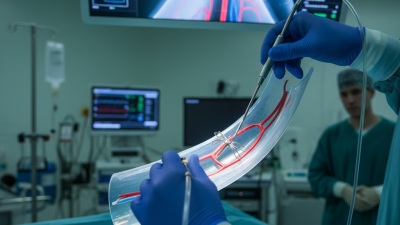
The landscape of IVC filter retrieval solutions is evolving rapidly. Emerging trends indicate a shift towards minimally invasive techniques that enhance patient recovery. New technologies are aimed at improving the precision and safety of filter removals, which can mitigate complications. Surgeons are increasingly adopting advanced imaging techniques, making the procedures less invasive and more effective.

In the future, we might see the integration of robotic assistance in IVC filter retrieval. This technology could offer greater accuracy and reduce the risk of human error. Additionally, the development of biocompatible materials for filters is crucial. Such advancements may lead to lower complication rates and longer-lasting solutions for patients.

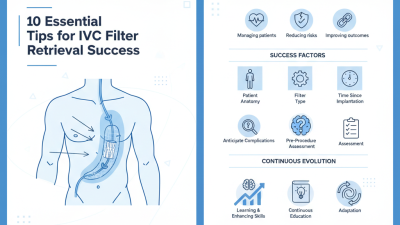
Tip: Always consult healthcare professionals to understand the risks and benefits of IVC filter retrieval. Do thorough research before making decisions about medical procedures. A well-informed choice is essential for optimal outcomes. Engaging with specialists can provide insights into the most suitable retrieval options tailored to individual needs.

Best IVC Filter Retrieval Solutions for Global Buyers - Future Trends in IVC Filter Retrieval Solutions

Solution Type Key Features Market Demand Future Trends
Manual Retrieval Kits Detailed guideline for extraction, Require trained specialists Moderate and Stable Adapting digital platforms for training and support
Mechanical Retrieval Devices Enhanced control and maneuverability, Automated process Increasing Demand Integration with AI to facilitate extraction
Endovascular Retrieval Systems Minimally invasive, High success rate High and Growing Focus on patient safety and recovery time
Steerable Retrieval Tools 360-degree maneuverability, Real-time feedback Promising Growth Enhancements in robotics and precision technology