What is a Biopsy Needle and How Does It Work?
Biopsy needles play a crucial role in modern medicine. They allow doctors to extract tissue samples for diagnosis. Dr. Jane Smith, a leading expert in the field, states, "Biopsy needles bridge the gap between diagnosis and treatment." This highlights their importance in patient care.
These needles come in various types. Each is designed for specific procedures and conditions. Their precision is vital. The smallest miscalculation can result in inconclusive results. Patients often feel anxious about the procedure. However, understanding how biopsy needles work can alleviate some fears.
The technique involves inserting the needle into the target area. This requires skill and experience. Not everyone performs biopsies the same way. Different climates and practices affect outcomes. Refining techniques through experience enhances reliability. Continuous improvement is necessary. Biopsy needles, while essential, still face challenges in accuracy and patient comfort.
Definition of Biopsy Needle and Its Types
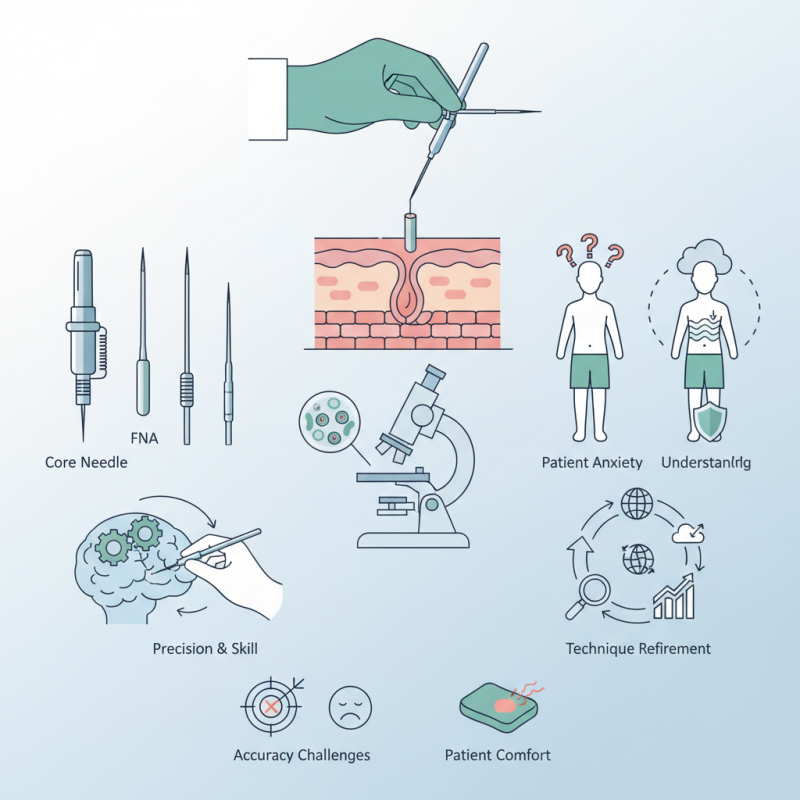
A biopsy needle is a medical tool used to extract tissue samples from the body for diagnostic purposes. Understanding the types of biopsy needles can aid both patients and healthcare professionals in making informed decisions. Generally, two main types are prevalent: fine needle aspiration (FNA) needles and core biopsy needles.
Fine needle aspiration needles are thin and hollow, designed for quick and minimally invasive procedures. They are ideal for sampling small lumps or masses. These needles can be used on a variety of tissues, including breast or thyroid.
In contrast, core biopsy needles are thicker and remove a small cylinder of tissue. This approach provides more substantial samples, which can lead to better diagnostic accuracy. They often require imaging guidance, such as ultrasound, to ensure precision.
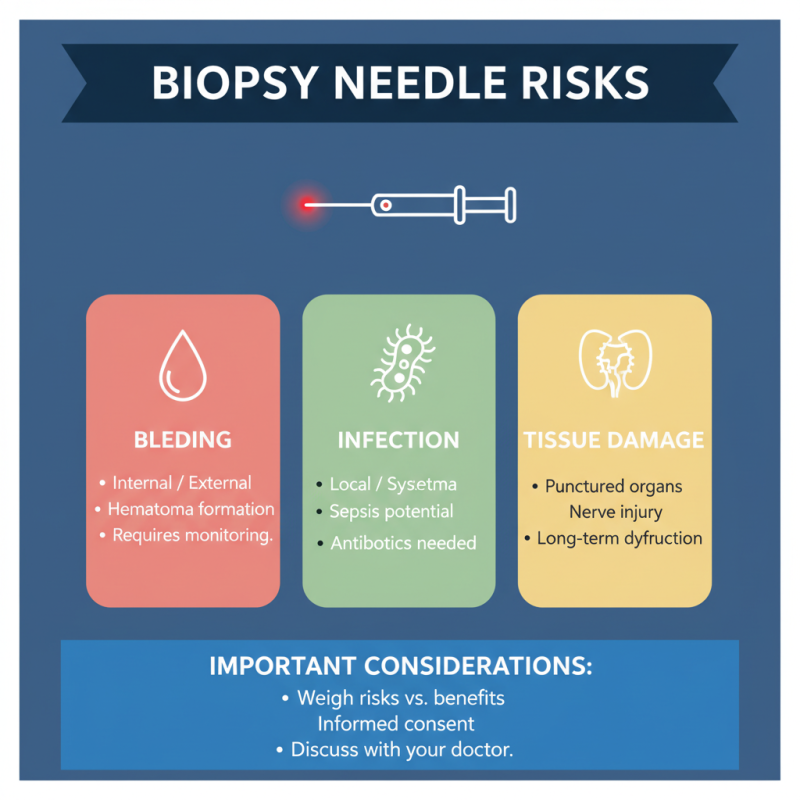
Despite their effectiveness, biopsy procedures can come with discomfort and anxiety for patients. There is a risk of complications, such as bleeding or infection. Patients must discuss the potential risks and benefits with their doctors. The choice of needle type depends on several factors, including the location of the tissue and the specific diagnosis needed. Understanding these aspects can help patients feel more prepared and engaged in their healthcare journey.
Purpose of Using a Biopsy Needle in Medical Diagnoses
A biopsy needle is a crucial tool in medical diagnoses. It allows doctors to sample tissue from a suspect area in the body. This process can help identify diseases, particularly cancer. The needle is often thin and hollow, designed to minimize discomfort. Doctors insert it through the skin or other tissues to collect cells.
Using a biopsy needle serves many purposes. It provides essential information about the nature of a lesion. For instance, a tumor may appear benign or malignant based on the biopsy results. Additionally, it can help guide treatment decisions. Accurate diagnoses from biopsies can lead to better outcomes. However, not all biopsies come back with clear results. Sometimes, further testing or repeat procedures are necessary. Patients may find this frustrating and anxiety-inducing.
The expertise of a healthcare provider is vital in interpreting biopsy results. Factors like the patient's medical history and imaging studies also play a role. Biopsy procedures can vary, depending on the location of the tissue. This variability means that careful planning is essential. Overall, a biopsy needle is a powerful aid in understanding health conditions. But it requires skilled professionals to navigate its complexities effectively.
What is a Biopsy Needle and How Does It Work?
| Dimension | Details |
|---|---|
| Definition | A biopsy needle is a medical instrument used to extract tissue for diagnostic purposes. |
| Types | Fine Needle Aspiration (FNA), Core Needle Biopsy, Vacuum-Assisted Biopsy. |
| Purpose | To diagnose conditions such as cancer, infections, and autoimmune disorders. |
| Procedure | Involves local anesthesia, imaging guidance, and penetration of the skin to reach the target tissue. |
| Risks | Bleeding, infection, and discomfort at the site of insertion. |
| Recovery | Generally quick; patients can often resume normal activities shortly after the procedure. |
How a Biopsy Needle Operates During the Procedure
A biopsy needle is a crucial instrument used in medical procedures to obtain tissue samples. Understanding how it operates can help patients feel more at ease. During the biopsy procedure, the needle is guided to the target area, often with the aid of imaging technologies. Ultrasound or CT scans help locate precise positions. The doctor inserts the needle through the skin and into the tissue. The needle carefully collects a small sample, which is analyzed for any abnormalities.
The process can seem intimidating. However, many studies show biopsy accuracy rates vary from 90% to 95% depending on the type. This high accuracy is encouraging. Still, patients should know that sometimes multiple attempts are necessary to obtain sufficient tissue. Being aware of this possibility can help manage expectations.
Tip: Before the procedure, communicate openly with your doctor. Ask questions about what to expect. Understanding the rationale behind the method can reduce anxiety.
After the sample is taken, it goes to a lab for evaluation. Results typically take a few days to process. It's essential to follow up with your doctor for the interpretation of the findings. This step is critical in determining the next course of action. Patients must stay informed throughout the process for better outcomes.
Biopsy Needle Procedure Efficiency
Preparation and Aftercare for Biopsy Needle Procedures
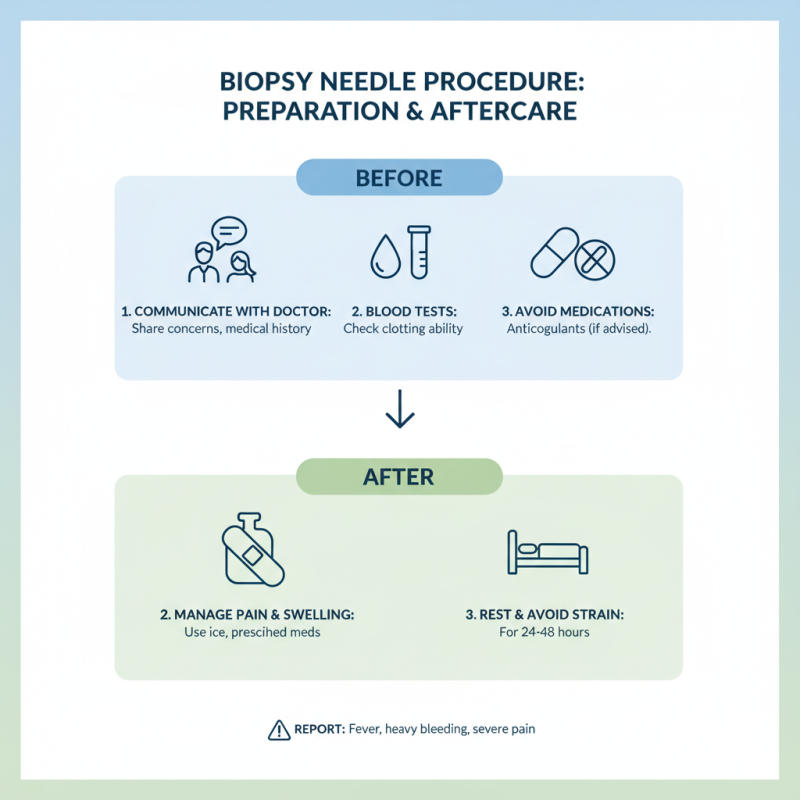
Preparing for a biopsy needle procedure involves several important steps. Before the procedure, it’s essential to communicate with your healthcare provider. They may require blood tests to ensure your safety during the biopsy. This communication helps address any concerns you might have. You may be advised to avoid certain medications that could affect blood clotting. This preparation is crucial for minimizing complications.
After the procedure, proper aftercare is vital for recovery. Patients often experience some discomfort at the biopsy site. Keeping the area clean and dry helps prevent infection. Applying a cold pack can reduce swelling and pain. It’s also advisable to avoid strenuous activities for a few days. Monitoring the biopsy site for unusual signs, such as excessive bleeding or increasing pain, is important. If you notice anything concerning, contacting your healthcare provider promptly is key. Recovery varies from person to person, and being attentive to your body is essential for healing.
Potential Risks and Complications Associated with Biopsy Needles
Biopsy needles are essential tools in diagnosing diseases. However, they come with risks that patients should understand. Complications can occur, such as bleeding, infection, or damage to surrounding tissues. It's crucial to weigh these risks against the benefits of obtaining accurate diagnosis.
In some cases, patients may experience discomfort during the procedure. This can lead to anxiety. Discuss any concerns with your healthcare provider beforehand. They can offer reassurance and help manage your expectations.
Tips for preparation include staying informed and asking questions. Understanding the procedure can make it less intimidating. Be clear about your medical history and any medications you're taking. Staying calm can also aid the process. While not every biopsy results in complications, awareness is vital. It prepares you for any potential issues.
Related Posts
-
Top 10 Biopsy Needles Reviewed for Precision and Efficiency
-
10 Best Biopsy Needles for Accurate Tissue Sampling?
-
What is a Bone Marrow Biopsy Needle and How is it Used?
-
Essential Guide to Arrow Arterial Line Kits: What You Need to Know in 2025
-
Essential Guide to Choosing the Right Catheter Drainage Bag for Optimal Comfort and Care
-
2025 Top Hemostatic Pads for Effective Wound Management and Rapid Healing