Why Use a Bone Marrow Biopsy Kit for Accurate Diagnosis?

The diagnosis of hematological diseases can be complex. A bone marrow biopsy kit is an essential tool in this process. It provides accurate and detailed information about the state of the bone marrow. This kit gives healthcare professionals vital insights that can guide treatment decisions.

Using a bone marrow biopsy kit allows for precise sampling of the bone marrow. The procedure can reveal information about blood cell production and potential abnormalities. However, it is not without challenges. Patients may experience anxiety or discomfort during the procedure. The skill of the technician is crucial to minimize complications.

The choice of a high-quality bone marrow biopsy kit makes a significant difference. It ensures that the samples collected are sufficient for reliable analysis. Yet, some kits may lack user-friendly design features. This aspect needs more focus to enhance the experience for both patients and healthcare providers. Addressing these imperfections can lead to more positive outcomes in the diagnostic process.

Why Use a Bone Marrow Biopsy Kit for Accurate Diagnosis?

Understanding Bone Marrow Biopsy: Purpose and Importance

Bone marrow biopsy is a critical procedure in diagnosing various blood disorders. It helps doctors understand the health of the bone marrow. This small, often painful, sample can reveal important information. Medical professionals look for abnormalities in blood cells. These insights guide treatment decisions and patient management.

The process involves inserting a needle into the hip bone. It sounds daunting, and some patients feel anxious. However, the insights gained are invaluable. For instance, detecting leukemia or lymphoma early can significantly impact outcomes. Every biopsy tells a unique story about a patient’s health. Inaccurate diagnoses can lead to ineffective treatments, and that’s a concern.

Preparation for a biopsy is key. Patients must discuss their medications and allergies with their doctors. Risks, though minimal, exist. Some might feel bruising or discomfort afterward. As healthcare providers navigate these risks, they must also reflect on their techniques. They aim for precision and minimize patient discomfort, but improvements are always needed. Ultimately, the value of a bone marrow biopsy lies in its ability to inform life-saving decisions.

Components of a Bone Marrow Biopsy Kit and Their Functions

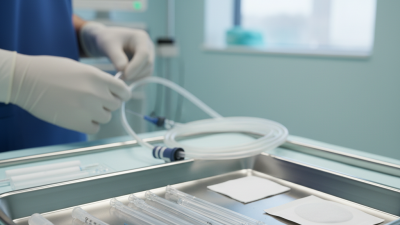
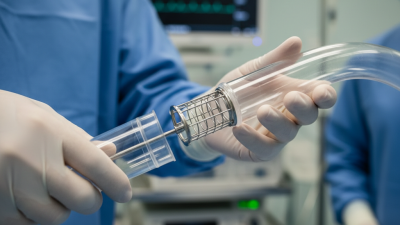
A bone marrow biopsy kit typically includes several essential components. Each part plays a crucial role in the procedure and diagnosis. Key items include a bone marrow aspiration needle. This needle is designed to penetrate the bone and collect a sample. It’s often a bit intimidating to use. Practitioners must be careful to avoid damage.

Another important element is the syringe. This is used to draw aspirated marrow into a sterile container. The size and type of syringe can affect the efficiency of the sample collection. A larger syringe can sometimes lead to a quicker process. However, it can also increase the risk of introducing air into the sample.

Staining solutions are also vital in this kit. Once a sample is collected, pathologists use these solutions to prepare the sample for examination. The staining process can be intricate and demands precision. It is important for the final diagnosis, yet mistakes happen. Improper staining can lead to misinterpretation. This highlights the importance of training and meticulousness in all steps.

Steps Involved in Performing a Bone Marrow Biopsy

Performing a bone marrow biopsy involves specific steps to ensure accuracy and patient comfort. The procedure begins with patient preparation. It's important to explain the process clearly. This helps ease any anxiety the patient may feel.

Then, the site is cleaned with antiseptic. It's crucial to maintain a sterile environment. Local anesthesia is administered next. This step minimizes discomfort. However, some patients may still feel pressure during the procedure.

Once the area is numb, a needle is inserted into the bone, often the hip. This can be daunting. But relaxation techniques can help. After the sample is collected, pressure is applied to the site. Monitoring for complications is essential.

Tips: Communicate openly with the patient. Address their concerns. Reassure them that discomfort is temporary. After the procedure, advise resting for the day. Follow-up appointments are necessary to discuss results.

Why Use a Bone Marrow Biopsy Kit for Accurate Diagnosis? - Steps Involved in Performing a Bone Marrow Biopsy

Step Description Purpose Tools Required
1 Patient Preparation Ensure patient understanding and consent Informational brochure, consent forms
2 Anesthesia Administration Minimize pain and discomfort Local anesthetic
3 Site Selection Choosing the optimal location for biopsy Palpation tools
4 Biopsy Procedure Extraction of bone marrow sample Bone marrow biopsy needle, syringe
5 Sample Preservation Ensure sample stability for analysis Storage vials and ice packs
6 Post-Procedure Care Monitor recovery from anesthesia Patient monitoring equipment

Benefits of Using a Bone Marrow Biopsy Kit for Diagnosis

Why Use a Bone Marrow Biopsy Kit for Accurate Diagnosis?

Bone marrow biopsy kits have become essential tools for accurate diagnosis. These kits allow healthcare professionals to collect bone marrow samples efficiently. The precision of these samples can lead to earlier detection of diseases like leukemia and multiple myeloma. With a simple yet effective design, the kits make the process smoother for both doctors and patients.

Using a bone marrow biopsy kit provides several benefits. Speed is crucial when diagnosing health conditions. The kit often contains all necessary components for the procedure. This reduces the time spent preparing and increases efficiency. Additionally, these kits simplify the process, making it more user-friendly. Patients feel less stressed when they know everything is organized. Sometimes, though, issues may arise during the procedure. Practitioners must remain aware and adapt to unexpected challenges.

The accuracy of results is another critical aspect. Samples collected with these kits are more reliable. They minimize contamination and sample loss. However, the system isn't perfect. There can still be variability in results based on operator technique or patient factors. It is essential for practitioners to reflect on these elements continuously. Improving techniques leads to better patient outcomes over time.

Common Conditions Detected Through Bone Marrow Biopsy

Bone marrow biopsy is a crucial procedure for diagnosing various conditions. It involves extracting a small sample of bone marrow, typically from the hip bone. This sample provides vital information about a patient's health. Several medical conditions can be detected through this method, making it essential for accurate diagnosis.

One common condition diagnosed via bone marrow biopsy is leukemia. This cancer affects blood cells and can lead to serious health issues. By examining bone marrow, doctors can identify the presence of abnormal cells. Another significant condition is multiple myeloma. This blood cancer impacts plasma cells and disrupts normal blood production. A biopsy can reveal the extent of the disease and help develop a treatment plan.

A biopsy can also detect aplastic anemia, a disorder where the bone marrow fails to produce enough blood cells. Patients with low energy or frequent infections may benefit from this test. However, it's important to note that the procedure may come with some discomfort or risk of complications. Reflecting on these aspects is crucial for patients considering a bone marrow biopsy. Understanding the benefits and risks can lead to more informed decisions about their health.

Common Conditions Detected Through Bone Marrow Biopsy