What You Need to Know About Bone Marrow Biopsy Kits?

Bone marrow biopsy kits are essential tools in diagnosing various hematological disorders. Experts emphasize their importance in early detection and treatment strategies. According to a report by Market Research Future, the global bone marrow biopsy kit market is projected to grow at a CAGR of 5.6% from 2022 to 2028. This growth reflects the increasing demand for effective diagnostic solutions.

Dr. Sarah Johnson, a leading hematologist, once stated, "The precision of a bone marrow biopsy kit can significantly impact patient outcomes." This highlights the pressing need for reliable kits. Clinicians rely on these kits to gather vital information about blood disorders, including leukemia and anemia. However, challenges remain in the procedure's execution and patient comfort.

Many practitioners report difficulties in obtaining adequate samples. Variability in biopsy kit quality can lead to complications. This inconsistency stresses the need for stringent quality control measures. Attention to detail in kit development is critical. As the industry evolves, innovation must prioritize both accuracy and patient experience.

What You Need to Know About Bone Marrow Biopsy Kits?

Understanding Bone Marrow Biopsy Kits: An Overview

Bone marrow biopsy kits are essential tools used in medical diagnostics. These kits enable clinicians to obtain samples of bone marrow tissue for evaluation. Understanding the components and usage of these kits is crucial for accurate diagnosis and treatment planning.

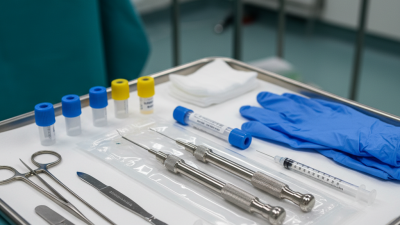
One key component of a bone marrow biopsy kit is the needle used for aspiration. This needle is specially designed to penetrate bone and extract marrow. Additionally, the kit typically includes sterile containers for sample collection and necessary tools for proper handling. It's important to ensure that all tools are sterile to avoid contamination.

Tip: Always inspect the kit before use. Make sure all items are included and undamaged.

Handling a biopsy kit requires skill and knowledge. Medical professionals must follow strict protocols to minimize discomfort for patients. The process can be unsettling, and clear communication with patients is vital.

Tip: Provide thorough explanations to patients before the procedure. This can help in reducing anxiety and improving cooperation.

Bone marrow biopsies may have varying results. In some cases, the sampling may not yield enough tissue. This can lead to the need for repeat procedures. It's essential to reflect on techniques and improve where necessary. Adjustments in approach can enhance outcomes and patient experiences.
Key Components of Bone Marrow Biopsy Kits

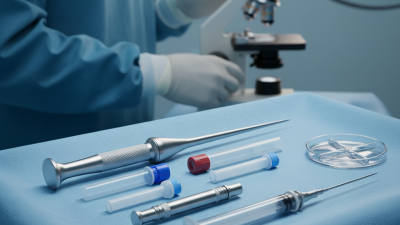
Bone marrow biopsy kits play a vital role in diagnosing hematological diseases. Understanding their key components is essential for healthcare professionals. Each kit typically includes a sterile needle, aspiration syringe, and collection tubes. These components ensure precise sampling at the site of bone marrow.

The sterile needle is designed to penetrate the bone. It allows clinicians to extract bone marrow. The aspiration syringe plays a crucial role in obtaining an adequate sample volume. Studies show that a well-defined aspiration technique leads to better quality specimens. According to a report by the American Society of Hematology, poor sampling can lead to misdiagnosis in up to 20% of patients.

Tips: Always check the kit's expiration date before use. Quality control is critical for preventing contamination. Additionally, proper training in biopsy techniques improves outcomes significantly.

Every clinician should remain updated on protocol adjustments and innovations in tools. Continuous education is key, as techniques evolve. A reflection on past procedures helps identify areas for improvement. Engaging in peer discussions can enhance understanding and practice in the field. Bone marrow biopsy kits remain essential, but expertise and quality standards must guide their use.

What You Need to Know About Bone Marrow Biopsy Kits? - Key Components of Bone Marrow Biopsy Kits

Component Description Purpose Sterility
Bone Marrow Needle Hollow needle used to obtain bone marrow samples To collect aspirate and core biopsy Sterile
Jersey Aspirate Syringe Syringe to draw the marrow aspirate Aspirate sample collection Sterile
Biopsy Site Marker Marker for identifying the biopsy location Guides precise needle placement Sterile
Curette Instrument for scraping tissue To enhance sample collection Sterile
Needle Holder Tool to secure the needle during the procedure Ensures stability and precision Sterile
Collection Tubes Tubes for storing bone marrow samples Preservation of samples for analysis Sterile

Procedure: How to Use a Bone Marrow Biopsy Kit

Using a bone marrow biopsy kit involves several key steps. First, the area of skin over the bone is sterilized. This reduces the risk of infection during the procedure. Then, a local anesthetic is applied to numb the area. Patients may experience brief discomfort from the injection. This part of the process is crucial for comfort.

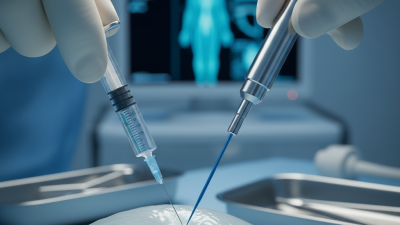
Next, the biopsy needle is carefully inserted into the bone, usually the hip or breastbone. The provider will then extract a small amount of bone marrow. It's important to be calm during this part. Some patients may feel pressure or a pulling sensation. This is normal, but clear communication with the healthcare provider can be reassuring.

After the procedure, pressure is applied to stop any bleeding. A bandage is usually placed over the site. Patients are advised to rest for some time. Pain at the site is common, but it usually resolves in a few days. Monitoring for any unusual symptoms is vital. Understanding these details improves the experience and outcomes for patients.

Safety and Precautions in Bone Marrow Biopsy Procedures

Bone marrow biopsy procedures require careful attention to safety and precautions. These minimally invasive procedures are essential for diagnosing various blood disorders. However, they come with inherent risks, including infection and discomfort. Proper training and knowledge of the procedure can significantly reduce these risks.

Tips for a safe bone marrow biopsy include ensuring the procedure is performed in a sterile environment. Using proper aseptic techniques minimizes the potential for infection. Patients should discuss their medical history with healthcare providers. This helps in identifying any underlying conditions that could complicate the biopsy. Communication is key. Understanding the procedure can alleviate a patient’s anxiety.

Post-procedure care is equally important. Patients should monitor the biopsy site for signs of infection, such as increased redness or swelling. Adequate rest is essential for recovery. It’s recommended to follow up with healthcare providers to address any concerns or complications. A proactive approach can greatly enhance the overall experience and outcome of the biopsy.

Common Applications and Significance of Bone Marrow Biopsies

What You Need to Know About Bone Marrow Biopsy Kits?

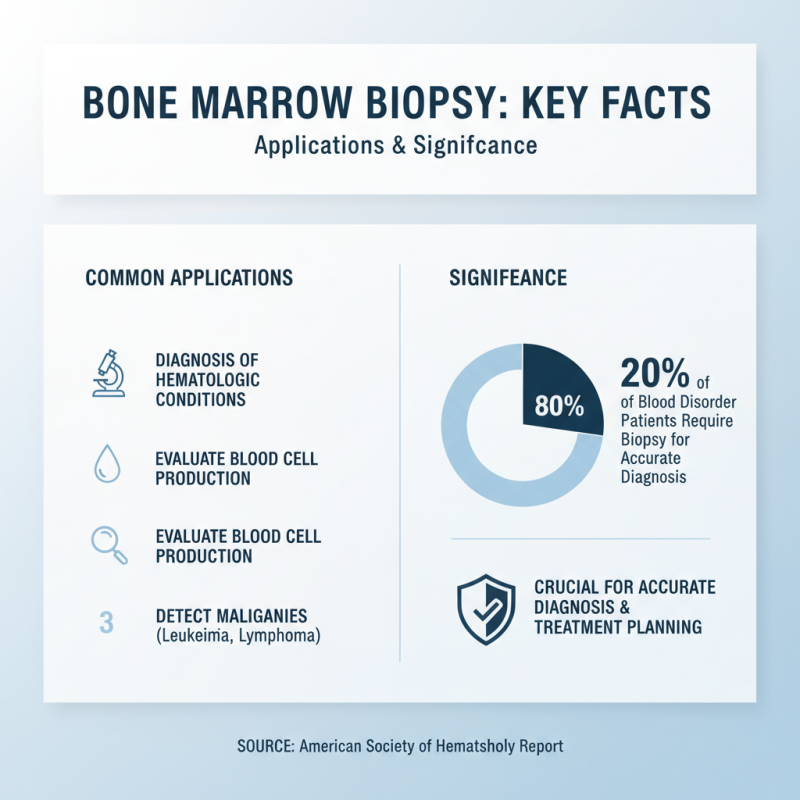
Bone marrow biopsy plays a crucial role in diagnosing various hematologic conditions. According to a report by the American Society of Hematology, about 20% of patients with blood disorders require this procedure for accurate diagnosis. It involves extracting bone marrow to evaluate blood cell production and detect malignancies like leukemia and lymphoma.

The significance of bone marrow biopsies lies in their ability to provide detailed information. They can reveal abnormalities in cell types and densities, which are critical for treatment plans. The National Comprehensive Cancer Network emphasizes that timely diagnoses can improve patient outcomes significantly. However, the procedure can cause discomfort and poses risks, leading to a need for improved techniques and patient care.

Challenges remain in patient preparation and post-procedure management. While the procedure is essential, pain management and emotional support should not be overlooked. Understanding these aspects can enhance patient experience, leading to better compliance with follow-up treatments. As research continues, innovations in biopsy kits may further reduce discomfort and improve diagnostic accuracy, addressing a fundamental aspect of patient care in hematology.