
What is a Bone Marrow Biopsy Needle and How is it Used?
A bone marrow biopsy needle is a vital tool in modern medicine. It helps doctors diagnose various blood conditions. Dr. Emily Johnson, a leading expert in hematology, explains, "The precision of a bone marrow biopsy needle can be life-changing." This statement emphasizes the importance of accurate diagnosis in treating patients.
When using a bone marrow biopsy needle, a small sample of bone marrow is extracted. This process often takes place in a sterile environment. Patients may feel some discomfort, but the results are crucial for their health. The needle is designed to minimize pain and maximize sample quality.
Yet, the procedure is not without challenges. Some patients experience anxiety when undergoing a biopsy. The skill of the healthcare professional is essential for a successful outcome. Each procedure reminds us of the delicate balance between risk and the invaluable insights gained from the marrow sample.
Definition and Purpose of a Bone Marrow Biopsy Needle
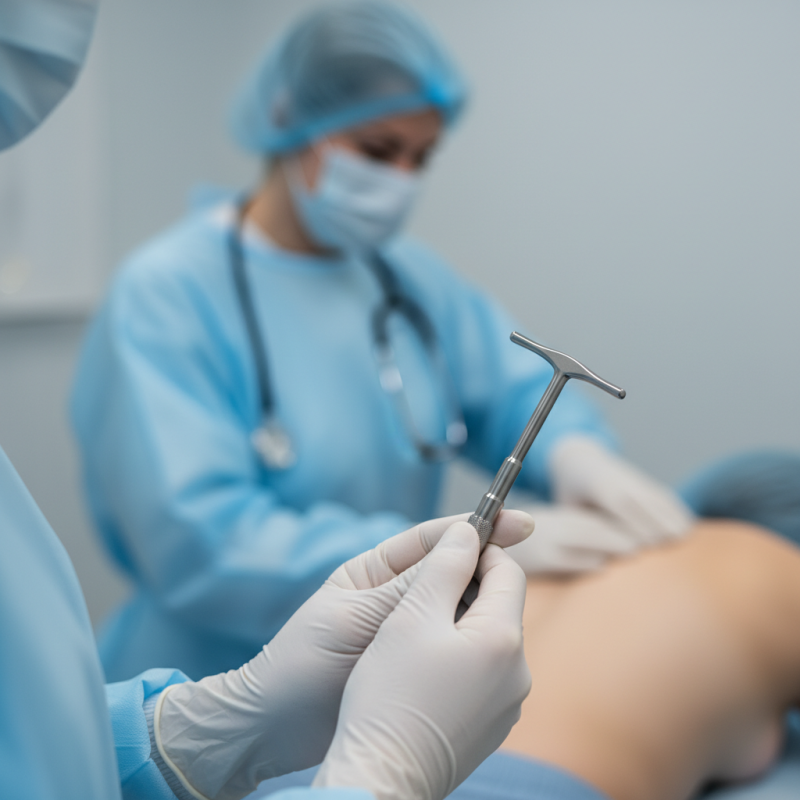
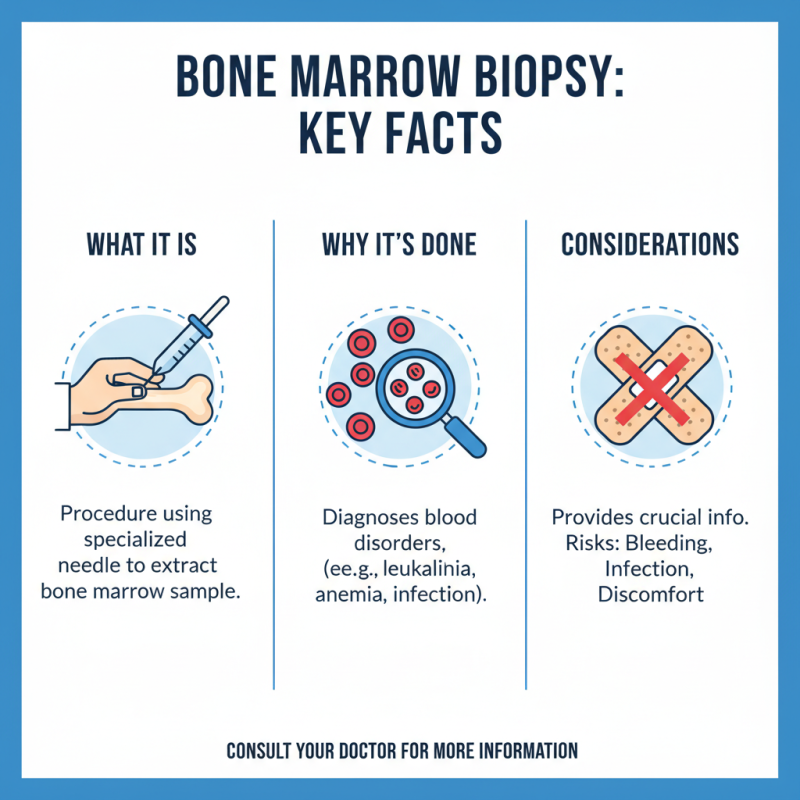
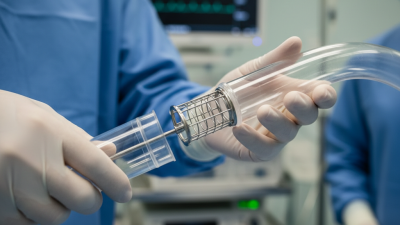
A bone marrow biopsy needle is a specialized medical tool. It is designed to extract bone marrow samples for testing. This procedure helps diagnose various blood disorders. Conditions like leukemia or anemia can be identified through these tests.
The needle is typically hollow, allowing for a clean extraction. During the biopsy, a doctor inserts it into the bone, often the hip. Patients may feel pressure but should not experience severe pain. Understanding the purpose of this needle can alleviate anxiety.
Tips: Ensure you communicate any concerns before the procedure. Relaxation techniques can help reduce stress. After the biopsy, some soreness is normal, but seek help if the pain worsens. This tool plays a crucial role in medical diagnostics, despite its intimidating appearance. Remember, knowledge about the process can empower patients.
Types of Bone Marrow Biopsy Needles and Their Features
Bone marrow biopsy needles are specialized instruments designed for the collection of bone marrow samples. These needles come in various types, each tailored to specific clinical needs. For instance, aspiration needles are commonly used for retrieving liquid marrow, while trephine needles are more suited for obtaining solid cores of bone marrow. The choice between these types can significantly impact diagnostic accuracy.
Studies have shown that aspiration needles are often preferred due to their ease of use and lower patient discomfort. Research indicates that around 85% of healthcare providers favor aspiration needles for basic evaluations. However, trephine needles provide a larger sample size, which can lead to better insights into certain conditions. They are particularly useful in detecting hematological disorders, with a reported 92% effectiveness in accurate diagnosis.
Despite their utility, the procedures can sometimes be challenging. Patient anxiety and anatomical variations can complicate needle placement. Reports suggest that complications arise in about 5% of cases, including bleeding or infection. It's crucial for practitioners to assess each patient's condition thoroughly. Understanding the specific features of these needles helps clinicians make informed decisions, ensuring both effectiveness and patient safety in bone marrow sampling.
Procedure for Using a Bone Marrow Biopsy Needle
A bone marrow biopsy needle is a specialized tool designed to extract bone marrow for examination. The procedure is critical in diagnosing various blood disorders, including leukemia and anemia. More than 70% of hematologists rely on this method due to its accuracy. Upon arrival at the clinic, patients are often given a local anesthetic. This helps minimize discomfort during the biopsy process.
The healthcare provider will insert the needle into a specific area, usually the hip bone. This area is chosen to ensure an adequate sample can be obtained. It can be surprising for some to learn that the process takes only a few minutes, yet it can feel longer. Patients may hear a clicking sound as the needle penetrates the bone. This can be unsettling, but the procedure is relatively quick.
Post-procedure, bruising is common, affecting about 30% of patients. Some may also experience mild pain, which typically resolves within a few days. Reflecting on the experience, many wish there was more information available before the procedure. Knowledge about what to expect could alleviate anxiety. Despite advancements in medical technology, the biopsies remain a pivotal part of diagnosis, showcasing the need for continued improvements in patient education and comfort.
Bone Marrow Biopsy Needle Information
| Parameter | Description |
|---|---|
| Needle Type | Trochar needle, Jamshidi needle |
| Purpose | To collect bone marrow samples for diagnosis |
| Indications | Suspected blood disorders, cancers |
| Procedure Duration | Approximately 30 minutes |
| Recovery Time | 1-2 hours for monitoring |
| Potential Risks | Bleeding, infection, pain at the site |
| Aftercare | Rest, avoid strenuous activities |
Potential Risks and Complications of Bone Marrow Biopsy
A bone marrow biopsy is a medical procedure that involves using a specialized needle to extract bone marrow. This sample is vital for diagnosing various blood disorders. While the procedure can provide crucial information, it is not without risks and complications.
One potential risk of a bone marrow biopsy is infection. The needle creates a small opening in the skin, which can introduce bacteria. Patients may experience swelling or redness at the site. In rare situations, a more serious infection can occur. Additionally, some may feel pain during or after the procedure. This discomfort can vary depending on individual pain thresholds.
Another concern is bleeding. Although serious bleeding is uncommon, it can happen. Those with bleeding disorders or on blood thinners should discuss their medications with their doctor beforehand. There is also a chance of damage to surrounding structures. While rare, it is important to be aware that nerves or blood vessels might get injured during the biopsy. Each of these risks emphasizes the need for careful consideration and open communication with healthcare providers.
Post-Procedure Care and Follow-Up After a Bone Marrow Biopsy
After a bone marrow biopsy, proper care is essential. Patients may feel some discomfort or pain at the biopsy site. Cold packs can help alleviate swelling. Keeping the area clean is crucial. Gently wash the site with soap and water. Avoid any harsh scrubbing. Cover it with a clean bandage to prevent infections.
Follow-up appointments are usually scheduled within a week. During this visit, doctors review the biopsy results. They discuss what the findings mean for the patient’s health. Some may feel anxious waiting for results. It’s normal to have questions and concerns. Bring a list of questions to your follow-up. This ensures no important concerns are overlooked. Communication with healthcare providers is key during this time.
Monitoring for complications is vital. Some might experience increased pain or redness. If these symptoms arise, contact a healthcare provider immediately. Reflecting on this experience can be helpful. Many find it leads to greater understanding of their health. It's important to process what this means moving forward. Taking an active role in recovery is empowering.
Bone Marrow Biopsy Complications and Recovery Statistics
Related Posts
-
Top 10 Biopsy Needles Reviewed for Precision and Efficiency
-
How to Choose the Right Bone Marrow Biopsy Needle for Effective Results
-
How to Choose the Right Bone Biopsy Needle for Your Medical Needs
-

What is a Bone Marrow Biopsy Kit and How is it Used?
-
Essential Guide to Arrow Arterial Line Kits: What You Need to Know in 2025
-
What is IVC Removal and How Does it Work?