What is a Bone Marrow Needle and How is it Used?

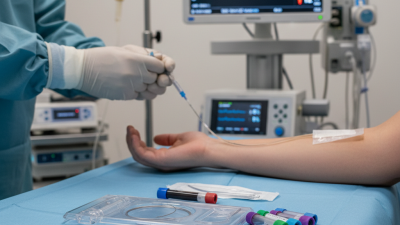
A bone marrow needle is a specialized medical tool. It is used for extracting bone marrow. This procedure is crucial for various diagnoses and treatments. Patients may feel anxious before using this needle. Understanding its purpose can help alleviate some fears.

The bone marrow needle often resembles a larger syringe. Its design allows healthcare professionals to reach the bone safely. With careful technique, they collect marrow samples. These samples provide essential information about blood disorders and cancers. However, the procedure is not without risks. Patients may experience discomfort or complications.

Using a bone marrow needle requires training and skill. Not every medical professional can perform this task. The environment must also be sterile to prevent infections. It’s important for patients to ask questions if uncertain. This openness can lead to better outcomes and trust in their healthcare providers.
What is a Bone Marrow Needle and How is it Used?

What is a Bone Marrow Needle?

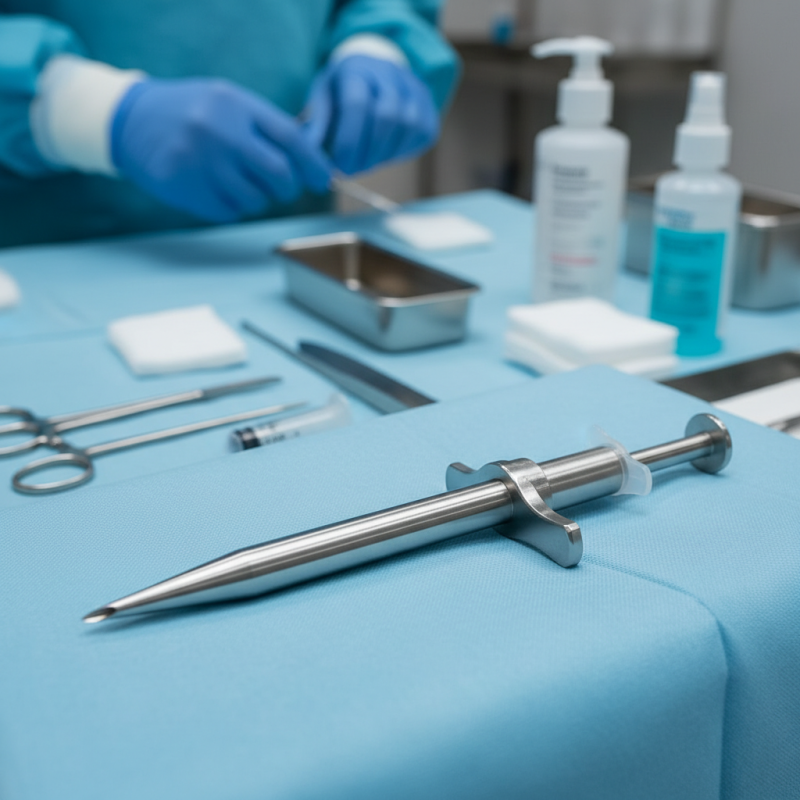
A bone marrow needle is a specialized medical instrument. Its main purpose is to extract bone marrow samples. Typically, these samples come from the hip bone. This procedure is crucial for diagnosing various blood disorders. According to a report by the National Institutes of Health, accurate diagnosis often relies on bone marrow evaluation.


The needle itself is hollow and often comes with a trocar. This design helps in safely penetrating the bone's dense outer layer. The insertion may cause discomfort, but is generally quick. A study published in the Journal of Clinical Oncology noted that more than 50% of patients experience only mild pain during the procedure. Despite this, some reports suggest a lack of proper pain management protocols in certain clinics.


Bone marrow aspiration can reveal invaluable information about conditions like leukemia or anemia. Yet, data shows that not all institutions follow standardized procedures. Variability in practice can lead to differing sample quality. This inconsistency can impact the diagnostic outcomes. Ensuring that best practices are consistently applied remains a critical challenge in the field.

Types of Bone Marrow Needles and Their Features

Bone marrow needles are essential tools used in medical procedures. There are different types of bone marrow needles. Each type has unique features suited for specific needs.

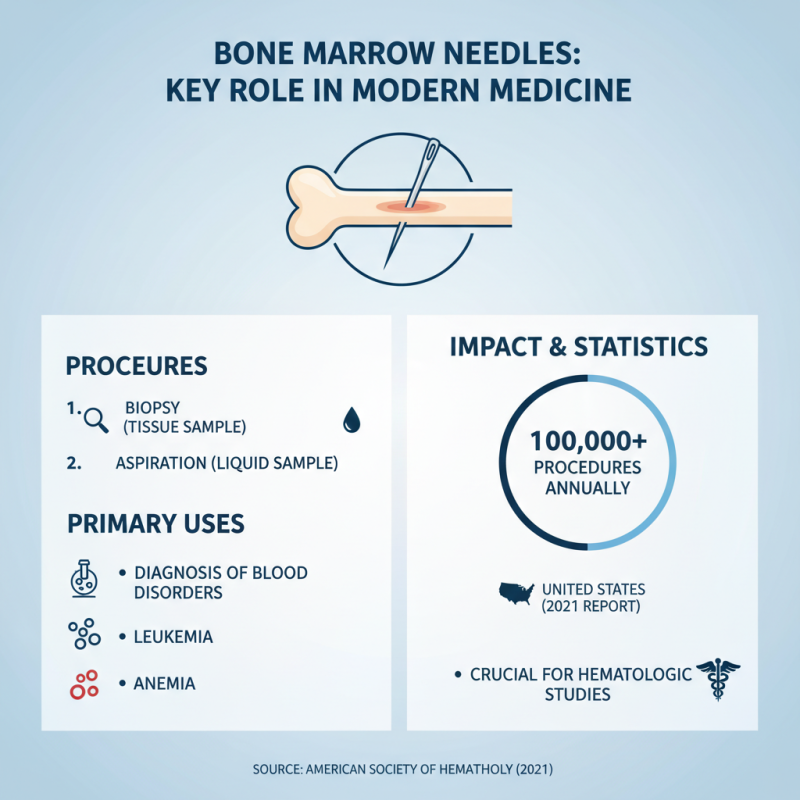
Aspiration needles are common. They are thin and designed to extract liquid marrow. This helps in diagnosing various health conditions. Biopsy needles are thicker. They collect a solid sample of bone marrow. This is important for testing and analysis. Some needles are designed with a safety mechanism. This reduces the risk of injury during the procedure.

Tips: When preparing for a procedure, communicate with your health provider. Ask about the type of needle that will be used. Understanding your process is crucial. After the procedure, monitor the site for swelling or unusual pain. Report any concerns to your doctor.

Bone marrow collection can be intimidating. It’s okay to feel anxious. Practicing relaxation techniques can help ease nerves. A supportive environment improves outcomes. Keep an open mind; healing takes time.

What is a Bone Marrow Needle and How is it Used?

Needle Type Features Usage
Aspiration Needle Thin, hollow needle for obtaining fluid. Used for bone marrow aspiration.
Biopsy Needle Larger diameter, designed to remove tissue samples. Used for bone marrow biopsy.
Jamshidi Needle Specially designed for obtaining bone marrow samples. Used frequently in diagnosing blood disorders.
Bone Marrow Trephine Cylindrical and larger for obtaining a core of bone. Used for comprehensive diagnostics.

Procedure for Using a Bone Marrow Needle

What is a Bone Marrow Needle and How is it Used?

The bone marrow needle is a critical instrument in medical procedures. It is used to extract bone marrow for various diagnostic purposes. The procedure requires precision and care. A physician typically selects the iliac crest or sternum for access. The area is cleaned to minimize infection risk.

During the procedure, a local anesthetic is administered. This step eases discomfort significantly. After anesthetization, the needle is inserted carefully into the bone. According to the American Society of Hematology, this approach yields a sample vital for diagnosing blood disorders. The entire process usually takes around 30 minutes. Patients often report varying levels of discomfort. Some express anxiety prior to the procedure.

Post-procedure, patients may experience bruising or mild pain. Monitoring is essential, as complications can occur, although they are rare. A study published in the Journal of Clinical Oncology indicated that only 1-2% of patients face significant adverse effects. Communication is key. Patients should discuss their fears and expectations with the healthcare provider. This dialogue can enhance the overall experience and ease apprehensions. Each procedure contributes to better understanding and treatment of hematologic conditions.

Common Applications of Bone Marrow Needle in Medicine

What is a Bone Marrow Needle and How is it Used?

Bone marrow needles play a crucial role in modern medicine. They are primarily used to perform bone marrow biopsies and aspirations. Both procedures help in diagnosing conditions like leukemia, anemia, and various other blood disorders. According to a 2021 report by the American Society of Hematology, approximately 100,000 bone marrow biopsies are performed annually in the United States alone. This underscores their importance in hematologic studies.

The use of a bone marrow needle allows clinicians to extract bone marrow samples. During the procedure, the needle penetrates the pelvic bone or sternum. This sampling is vital for understanding a patient’s health status. Medical professionals can track disease progress and treatment response effectively. Intriguingly, some patients report discomfort. A common misconception is that the procedure is always painless. This can lead to anxiety for patients.

Tips:
Preparation is key. Patients should discuss concerns with their physician beforehand. Understanding the process can help alleviate fears. After the procedure, appropriate care is essential. Monitoring for complications can prevent potential issues. Adhering to post-procedure instructions will ensure a smoother recovery. It's important to recognize that every patient's experience is unique. While many find the procedure manageable, some may struggle with anxiety or discomfort. Conversations about these feelings can lead to better outcomes.

Potential Risks and Complications of Bone Marrow Aspiration

Bone marrow aspiration is a critical procedure for diagnosing various blood disorders. However, it carries potential risks and complications that patients should be aware of. Research indicates that around 5% of patients may experience significant complications. These include potential bleeding, infection, or damage to surrounding tissues.

Infection, while rare, can occur in about 0.1% to 0.5% of cases. Symptoms may develop gradually, leading to delayed treatment. Bleeding is another concern. Studies show that around 1% of patients may face more severe bleeding issues. This can complicate recovery and prolong hospital stays. Patients with clotting disorders are especially vulnerable.

Furthermore, pain is a common side effect. Many patients report discomfort ranging from mild to severe post-procedure. The pain typically lasts a few hours, but some may need medication for relief. Understanding these potential complications is crucial for anyone considering the procedure. It’s vital to discuss personal risks with a healthcare provider to make an informed decision.