What is a catheter fixation device and how does it work?
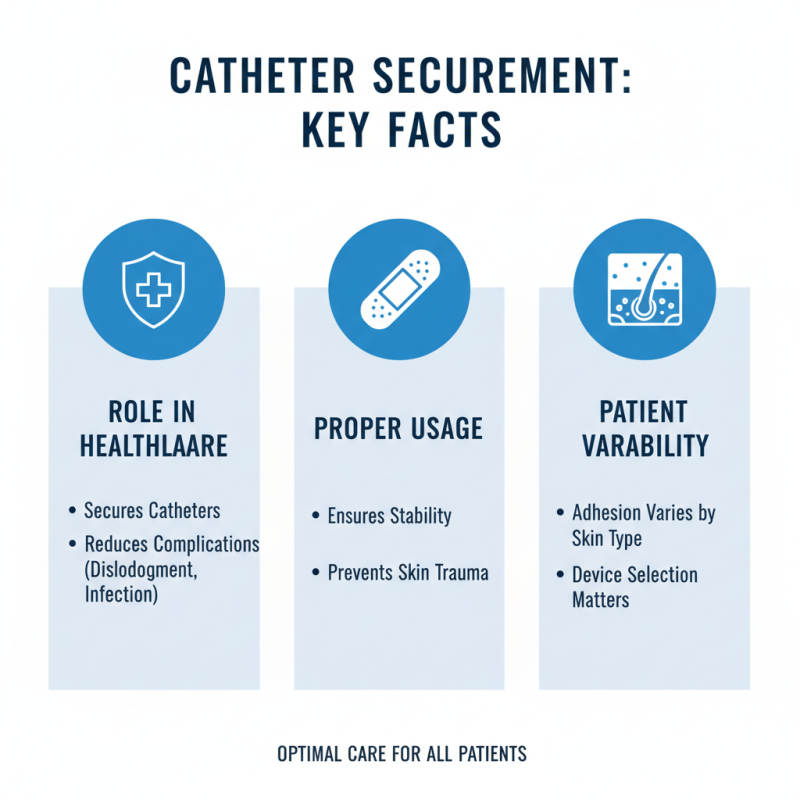
In the medical field, a catheter fixation device plays a crucial role in ensuring patient safety and comfort. Dr. Emily Carter, a renowned expert in catheter technologies, emphasizes, “The right fixation can prevent complications.” This statement highlights the significance of proper device choice.
A catheter fixation device is designed to hold catheters securely in place. This minimizes unwanted movement, which can lead to infections or discomfort. Proper attachment is vital for maintaining the integrity of the catheter placement. Users often find themselves wrestling with issues of adhesion and stability, which can lead to frustrations.
However, not all devices are created equal. Some may not adhere properly or cause skin irritation. It's critical to choose devices that suit both patient needs and the specific procedures. Reflecting on these challenges can guide improvements in future designs and applications, emphasizing the continuous need for innovation in the catheter fixation device industry.
What is a Catheter Fixation Device?
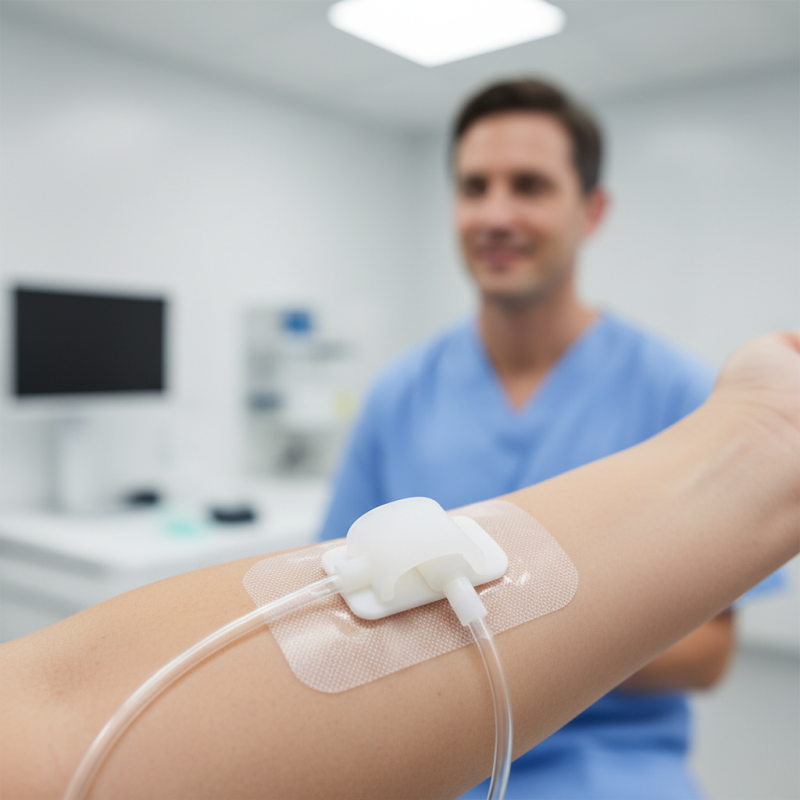
A catheter fixation device is essential in medical settings, designed to securely hold catheters in place. These devices help prevent accidental dislodgement, which can lead to complications. According to recent studies, catheter-related infections can occur in
15% to 25% of cases when proper fixation techniques are not implemented.
The device typically consists of adhesive components. These attach to the patient's skin, ensuring stability. Some models use adjustable straps to fit various catheter types. The simplicity allows for quick application, improving workflow in busy clinical environments. Notably, poor fixation can lead to costly healthcare implications, estimated at
billions annually.
Tips: Always assess the skin condition before applying a fixation device. This step is crucial in avoiding damage or infections. Consider the catheter type for optimal device selection, as compatibility is vital for effectiveness. Frequent monitoring of the fixation site can preempt complications, ensuring better patient safety.
Types of Catheter Fixation Devices Used in Clinical Settings
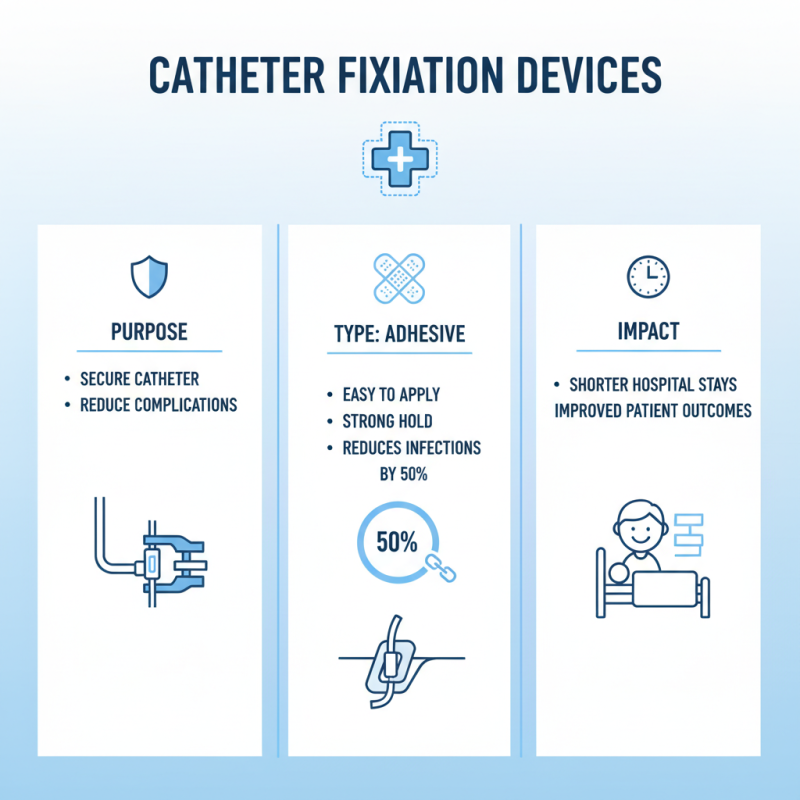
Catheter fixation devices are crucial in clinical settings for securing catheters. They prevent dislodgement and reduce complications. There are several types available, each with unique features. One common type is adhesive fixation devices. They are easy to apply and provide a secure hold. Studies show that they can reduce catheter-related infections by up to 50%. This is significant, as infections can prolong hospital stays.
Another type is the sutured fixation method. While effective, it may require more skill to apply. Data indicates this method can lead to increased patient discomfort. Finally, there are novelty systems, like those that use adjustable straps. They offer benefits, such as improved flexibility. However, some users report complications with skin irritation.
Despite their advantages, these devices can have drawbacks. Adhesive devices might not hold as well on hairy skin. Sutured devices require careful attention to technique. Adjustable systems may be prone to slippage. Therefore, choosing the right device is essential. Clinicians must weigh the pros and cons to ensure optimal patient care.
Mechanism of Action: How Catheter Fixation Devices Secure Catheters
Catheter fixation devices play a vital role in medical settings. They secure catheters, preventing dislodgment and ensuring proper function. These devices come in various forms, including adhesive strips, silicone holders, and suture systems. Each design functions to keep the catheter stable while minimizing discomfort for patients.
Mechanically, these devices utilize multiple strategies. Adhesive strips stick firmly to the skin. Silicone holders grip the catheter tightly while allowing easy adjustments. Suture systems provide a more secure option, anchoring the catheter directly to the skin. This prevents unwanted movement, which can lead to complications.
Tips: Always check the catheter position regularly. Misalignment can cause pain and infection. Use a gentle hand when adjusting the fixation device. It’s essential to ensure that the patient feels comfortable. Remember to educate patients about the signs of complications. Prompt reporting can prevent further issues.
Clinical Benefits of Using Catheter Fixation Devices in Patient Care
Catheter fixation devices play a crucial role in patient care. They help secure catheters in place, reducing movement. This minimizes discomfort and the risk of complications. Studies show that proper fixation can lower catheter-related infections by up to 50%. This statistic highlights the importance of maintaining sterile conditions.
Effective catheter fixation enhances patient safety. Patients experience less pain and anxiety when their catheters are securely fastened. In one report, 70% of healthcare providers noted a significant decrease in patient complaints linked to catheter movement. Yet, some devices may cause skin irritation or discomfort over time. This requires ongoing assessment and adjustments.
Incorporating these devices improves nursing efficiency. They allow nurses to allocate more time to patient care, rather than dealing with complications. However, training is essential. Staff must understand how to use these devices properly. Moreover, teamwork is key. Collaborative discussions can lead to better practices and outcomes, ensuring patient well-being.
Clinical Benefits of Using Catheter Fixation Devices in Patient Care
Industry Standards and Practices for Catheter Fixation Device Usage
Catheter fixation devices play a crucial role in healthcare settings. These devices secure catheters to the skin, reducing movement and preventing complications. Proper usage of these devices is essential to avoid issues like dislodgement or infection. Ensuring that the device adheres well to various skin types is vital. Yet, not every device works equally for all patients.
Industry standards emphasize regular assessments and training for healthcare personnel. Staff should be educated on how to apply these devices effectively. They must understand how skin variations affect adherence. There can be gaps in knowledge, and these gaps can lead to inconsistent application. Providers should reflect on their practices and seek continuous improvement. Each patient presents unique challenges. What works for one may not work for another.
The standards also call for regular monitoring of the fixation site. Signs of irritation or infection must be monitored closely. Adhering to best practices helps ensure patient safety. However, adherence to guidelines can sometimes be overlooked in busy healthcare environments. Healthcare providers should strive for better outcomes and integrate feedback effectively. Clarity in communication is necessary among team members.
Related Posts
-
Understanding the Importance of Catheter Fixation Devices in Modern Healthcare
-
2025 Top Bone Biopsy Needle Techniques for Effective Diagnosis and Treatment
-
7 Best Argon Drainage Bags for Enhanced Patient Care in 2023
-
How to Choose the Right Bone Marrow Biopsy Needle for Effective Results
-
Essential Guide to Arrow Arterial Line Kits: What You Need to Know in 2025
-
How to Choose the Best Hydrophilic Coating Catheter for Your Needs