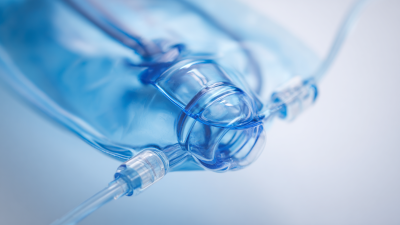
How to Choose the Best Hydrophilic Coating Catheter for Your Needs

In the ever-evolving medical field, the selection of the right hydrophilic coating catheter can significantly impact patient comfort and procedural success. According to Dr. Emily Carter, a leading expert in urology and catheter technologies, "Choosing the right hydrophilic coating catheter not only enhances maneuverability but also minimizes discomfort for patients." This statement underscores the importance of making an informed choice when it comes to these specialized medical devices.

Hydrophilic coating catheters are designed to provide lubrication upon contact with water, which reduces friction during insertion and movement within the body. However, with a myriad of options available on the market, healthcare professionals must consider various factors, including catheter length, size, and the specific hydrophilic properties of the coating. Additionally, patient-specific needs such as medical history and type of procedure can further influence the decision-making process.

In this guide, we will explore how to effectively choose the best hydrophilic coating catheter for individual needs, helping practitioners and patients alike navigate the complexities of catheter selection while prioritizing safety and comfort. Understanding these elements is crucial for optimizing outcomes and ensuring a positive experience in catheter use.

How to Choose the Best Hydrophilic Coating Catheter for Your Needs

Understanding Hydrophilic Coating Catheters and Their Benefits

Hydrophilic coating catheters are specialized medical devices designed to enhance comfort and ease of use during catheterization procedures. These catheters are coated with a layer that becomes slick when hydrated, significantly reducing friction as the catheter moves through the urethra or other insertion sites. This feature is particularly beneficial in minimizing discomfort and trauma, making the catheterization experience less painful for patients. The hydrophilic coating helps facilitate smoother insertion and withdrawal, which is critical for both short-term and long-term use.

Moreover, the benefits of hydrophilic coating catheters extend beyond patient comfort. The smooth, lubricated surface decreases the risk of complications such as urethral stricture or infection, common concerns associated with conventional catheters. Additionally, the hydrophilic coating can help maintain catheter patency, ensuring that urine can flow unobstructed. For individuals who require regular catheterization due to medical conditions, choosing a high-quality hydrophilic coating catheter can significantly improve their quality of life, making this an essential consideration when selecting a catheter for personal or clinical use.

Identifying Your Specific Medical Needs and Conditions

How to Choose the Best Hydrophilic Coating Catheter for Your Needs

When selecting a hydrophilic coating catheter, it is essential to first identify your specific medical needs and conditions. Understanding the purpose of the catheter—whether it’s for intermittent catheterization, urinary retention, or any other medical requirement—will influence the type and features of the catheter you should consider. For example, patients with recurrent urinary tract infections may benefit from catheters that provide superior lubrication and reduced friction during insertion and withdrawal, mitigating discomfort and potential complications.

Additionally, the anatomical and physiological characteristics of the individual play a crucial role in making an informed choice. Patients with sensitivity or previous trauma in the urethral area may require catheters that are gentler on the mucosal lining. It’s also important to consider the length and size of the catheter as tailored options can enhance comfort and effectiveness. Furthermore, patients with specific health concerns or disabilities should consult their healthcare providers to determine any additional features that might be beneficial, such as catheter tip designs or materials that minimize allergic reactions. Ultimately, a careful assessment of both medical conditions and personal preferences will guide the choice of the best hydrophilic coating catheter for each individual.

Evaluating Different Types of Hydrophilic Coating Catheters

When evaluating different types of hydrophilic coating catheters, it is essential to consider factors such as material composition, hydrophilic properties, and the intended clinical application. Research indicates that a well-designed hydrophilic coating can significantly enhance catheter performance by improving lubricity and reducing friction during insertion. According to a study published in the *Journal of Urology*, catheters with advanced hydrophilic coatings can reduce patient discomfort and minimize trauma to the urethra, resulting in improved patient compliance and satisfaction.

In addition to performance characteristics, the choice of hydrophilic catheter should also be informed by the duration of use. For single-use procedures, a standard hydrophilic coating may suffice, but for longer-term catheterization, it’s advisable to seek options with more durable and robust coatings. Reports suggest that catheters designed for extended use can withstand the increased forces and moisture exposure, providing a reliable option for patients requiring long-term catheterization.

**Tips:**
- Always consult with healthcare professionals to determine the most appropriate catheter based on individual patient needs and clinical circumstances.
- Consider testing various catheters prior to selection to assess comfort and ease of use, as individual preferences and anatomical differences can impact overall satisfaction.

Comparing Features and Specifications of Various Brands

How to Choose the Best Hydrophilic Coating Catheter for Your Needs

When selecting a hydrophilic coating catheter, understanding the key features and specifications of various brands is essential for optimal performance. According to a report by MarketsandMarkets, the global catheter market is projected to reach $66.9 billion by 2025, reflecting a growing demand for advanced catheter technologies, including those with hydrophilic coatings. These coatings enhance the catheter's maneuverability and reduce friction during insertion, which can significantly improve patient comfort and outcomes.

One of the crucial specifications to compare is the coating durability and hydration time. Research indicates that catheters exhibiting superior hydrophilic properties can maintain their lubricity for longer periods, providing users with consistent performance throughout the procedure. Furthermore, the thickness of the coating and the surface tension also play critical roles; a thinner coating often leads to faster hydration but may compromise longevity, while a thicker layer may enhance durability but slow down the initial lubricity.

Additionally, considering the catheter's material composition is vital. Advanced polymers often used for hydrophilic coatings not only improve biocompatibility but also reduce the risk of thrombosis and infection. Reports suggest that catheters with silicone-based hydrophilic coatings have demonstrated a lower incidence of complications compared to traditional materials. Therefore, thorough evaluation of these features and associated specifications will ultimately lead to better choices tailored to individual patient needs and procedural requirements.

Making an Informed Decision: Cost, Availability, and Usage Tips

When selecting a hydrophilic coating catheter, it's essential to consider cost, availability, and practical usage tips to make an informed decision. According to a report by the Medical Device & Diagnostic Industry, the global market for hydrophilic coating catheters is expected to reach approximately $1.5 billion by 2025, reflecting a growing acceptance and demand for these innovative devices. Consequently, understanding cost factors, such as the price variance between different types of catheters and suppliers, can help professionals make budget-conscious decisions without compromising on quality.

Availability is another critical factor in the selection process. A survey conducted by the National Institute for Health Research highlighted that supply chain fluctuations can impact the accessibility of specific catheter types, stressing the importance of sourcing from reliable distributors. Healthcare providers should evaluate local suppliers and their inventory levels to ensure timely access to the necessary products. Additionally, considering factors such as shelf life and reorder timelines can further enhance efficiency in patient care.

Lastly, practical usage tips can greatly enhance the efficacy and safety of hydrophilic catheters. Research indicates that proper training in catheter handling techniques can reduce complications such as infections and discomfort, with studies showing a 30% decrease in urinary tract infections when recommended practices are followed. Healthcare professionals should invest time in familiarizing themselves with best practices, including optimal hydration and insertion techniques, to maximize the benefits of their chosen catheter.