How to Choose the Right Bone Biopsy Needle for Your Needs?

When facing the necessity of a bone biopsy, selecting the right bone biopsy needle is crucial. Dr. Jennifer Lee, a leading expert in orthopedic diagnostics, states, “The choice of needle can significantly impact the quality of the sample.” This insight highlights the importance of understanding the variety of needles available.

Bone biopsy needles come in various sizes and designs. The wrong choice can lead to inadequate samples or unnecessary discomfort for patients. Factors such as thickness, length, and aspiration capabilities matter greatly. A needle that is too thick may damage surrounding tissues, while one that is too thin might not capture enough bone material.

Moreover, the experience of the healthcare provider is vital. An experienced practitioner will know which needle suits specific cases. Despite advancements, some practitioners still hesitate to update their techniques. Rigorous training and continuous education play a significant role in this field. Reevaluating one’s knowledge and practices is essential for improved patient outcomes. By prioritizing the right tool and knowledge, the biopsy process can become more efficient and less daunting for patients.
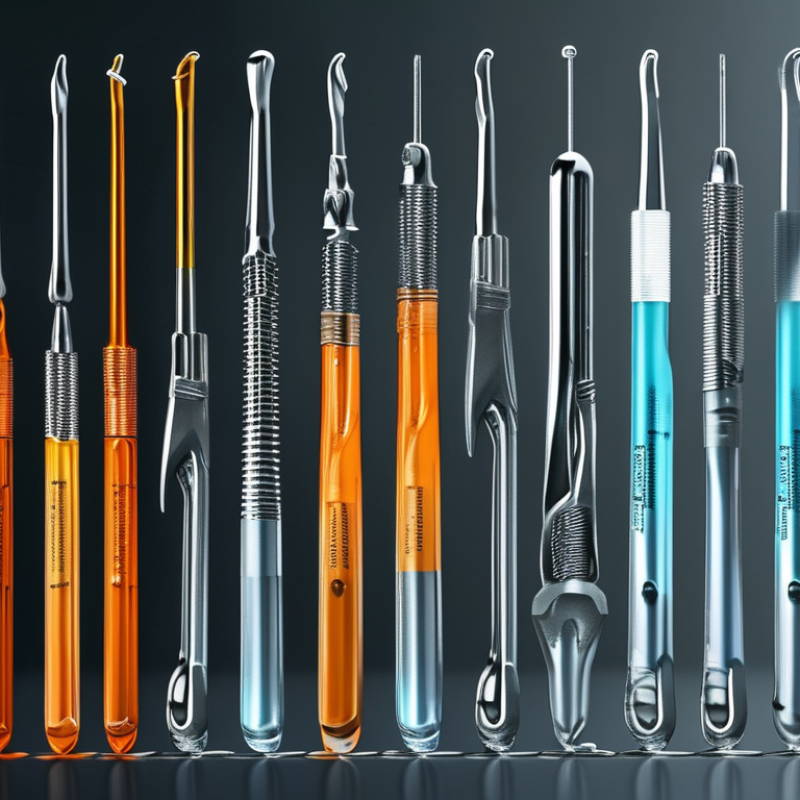
How to Choose the Right Bone Biopsy Needle for Your Needs?

Understanding Different Types of Bone Biopsy Needles Available in the Market

Choosing the right bone biopsy needle is crucial for accurate diagnosis and patient comfort. There are several types of needles available on the market. Each type serves a different purpose and has unique features. Understanding these differences is essential.

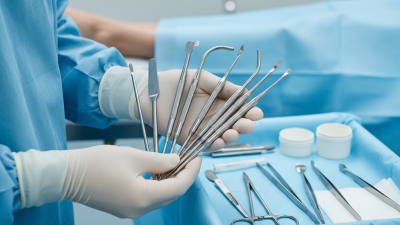
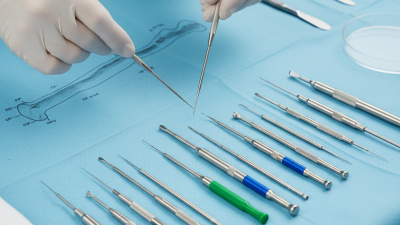
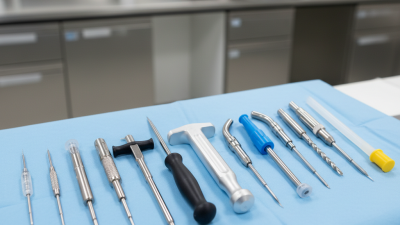
For instance, an aspiration needle is often favored for its simplicity and effectiveness in collecting samples. It typically features a hollow core, making it easy to extract bone marrow. On the other hand, a trephine needle is designed for larger core samples, which can provide more detailed information. This needle has a thicker, cylindrical shape that may require more skill to use effectively.

Tips: Consider the patient's condition before making a choice. Some needles may cause more discomfort than others. Always consult an experienced practitioner for guidance. Additionally, evaluate the size and gauge of the needle. A larger gauge may offer easier access but can cause more pain.

Using the correct needle type significantly impacts the biopsy results. Specimens collected with the wrong needle might lead to misdiagnosis. It’s vital to weigh comfort against the need for quality samples. Reflect on how the choice affects the procedure's success and the patient’s overall experience. Each decision carries weight in the broader context of patient care.

Evaluating Needle Gauge and Length for Optimal Bone Access

Choosing the right bone biopsy needle requires careful consideration of its gauge and length. The gauge determines the needle's diameter, impacting both tissue sampling and patient comfort. A smaller gauge means a thicker needle, which can cause more discomfort. Professionals often struggle to find the right balance between obtaining sufficient tissue and minimizing trauma.

Length is another critical factor. Longer needles may reach deeper bones, but they can be harder to control. A needle that is too long can lead to complications. Shorter needles provide better maneuverability but may not access deeper structures effectively. Some practitioners have experienced frustration with this trade-off, prompting them to reassess their technique and equipment choice.

It is essential to evaluate individual patient needs and the specific bone being targeted. Different clinical scenarios may warrant different approaches. Consultation among healthcare professionals can guide this process. Continuous training and adaptation are vital. Each biopsy is unique, and what works well in one situation may not in another. Learning from past experiences can improve future outcomes.

Comparative Analysis of Core Biopsy vs. Fine Needle Aspiration Techniques

When selecting a biopsy technique, understanding the differences between core biopsy and fine needle aspiration (FNA) is crucial. Core biopsy uses a larger needle to extract a cylindrical sample of tissue. This method provides more cellular detail and is often more reliable for diagnosing certain malignancies. According to a 2021 study published in the Journal of Clinical Pathology, core biopsies had a diagnostic accuracy rate of 95%, significantly higher than FNA's 75% in certain tumor types.

On the other hand, fine needle aspiration involves a thinner needle, which causes less trauma. It is quick and may be performed in an office setting. FNA is particularly useful for superficial lesions and lymph nodes. Statistical analysis from the American Society of Clinical Oncology indicates that while FNA has a lower accuracy rate, it is less painful and allows for quicker recoveries.

Tips: Consider the lesion's location and size when choosing your technique. Core biopsy might be better for larger tumors. Always discuss the potential risks and benefits with your healthcare provider. Be open to re-evaluating if initial results are inconclusive. Each case is unique, and a tailored approach is vital for effective diagnosis.

Considering Patient Factors: Age, Medical History, and Bone Density

Choosing the right bone biopsy needle requires careful consideration of patient factors. Age plays a crucial role in determining the appropriate needle type. Older patients may have thinner bone density, which can impact the needle's effectiveness. In contrast, younger patients may have denser bones, requiring a strong, sharper needle. Understanding these differences helps ensure a successful biopsy.

Medical history is equally important. Patients with conditions like osteoporosis may have fragile bones, requiring a specialized needle. It's vital to evaluate any previous complications from past procedures. A thorough review can guide the choice of needle, ensuring patient safety.

Tip: Always consult with a specialist. Their experience can provide insight into specific needs based on individual patient factors.

Tip: Assess bone density through imaging. This step is essential to tailor the needle type for optimal results.

Understanding these patient factors can profoundly impact the success of a bone biopsy. It's essential to reflect on each patient's unique situation. Decisions made without thorough evaluation might lead to complications. Hence, careful consideration is necessary.

Reviewing Manufacturer Guidelines and Clinical Recommendations for Use

Selecting the right bone biopsy needle is critical for accurate sampling. It requires a careful review of manufacturer guidelines and clinical recommendations. Many medical professionals rely on a variety of industry reports to guide their needle selection. A 2022 study published in the Journal of Clinical Oncology found that biopsy samples collected with appropriately sized needles yield a higher rate of diagnostic accuracy, up to 90% in some cases.

Clinical recommendations highlight the importance of needle gauge. Some clinicians prefer finer gauges to minimize patient discomfort. However, larger gauges may offer better tissue samples for analysis. A report from the American Society of Clinical Pathology indicates that the ideal size may vary based on anatomical location. Failure to match the needle size to the specific area can lead to inadequate samples, necessitating repeat procedures which can carry additional risks.

Furthermore, the technique used in the biopsy process matters greatly. Adhering strictly to the recommended procedural guidelines can significantly improve outcomes. Yet, variations in practice can lead to complications or inconclusive results. Continuous education and assessment of new findings help practitioners stay updated on best practices, although gaps in knowledge or technique may persist. This highlights the need for ongoing training in bone biopsy methods among healthcare providers.