How to Choose the Best Catheter Fixation Device for Your Needs?

Choosing the right catheter fixation device can be a daunting task. Many options flood the market, each claiming to be the best. Understanding the specific needs for a catheter fixation device is crucial for successful patient care.

Consider the materials and design of the device. Some may irritate the skin, while others offer comfort and security. Not all fixation devices suit every patient or situation. A thorough assessment of individual cases can prevent complications.

Evaluating feedback from healthcare professionals and patients can also provide valuable insights. Ask yourself: what works best in real-world scenarios? Often, the best choice comes from experience and careful observation. Choosing a catheter fixation device may seem straightforward, but it demands careful thought and reflection.
How to Choose the Best Catheter Fixation Device for Your Needs?

Understanding Catheter Fixation Devices: An Overview
How to Choose the Best Catheter Fixation Device for Your Needs?

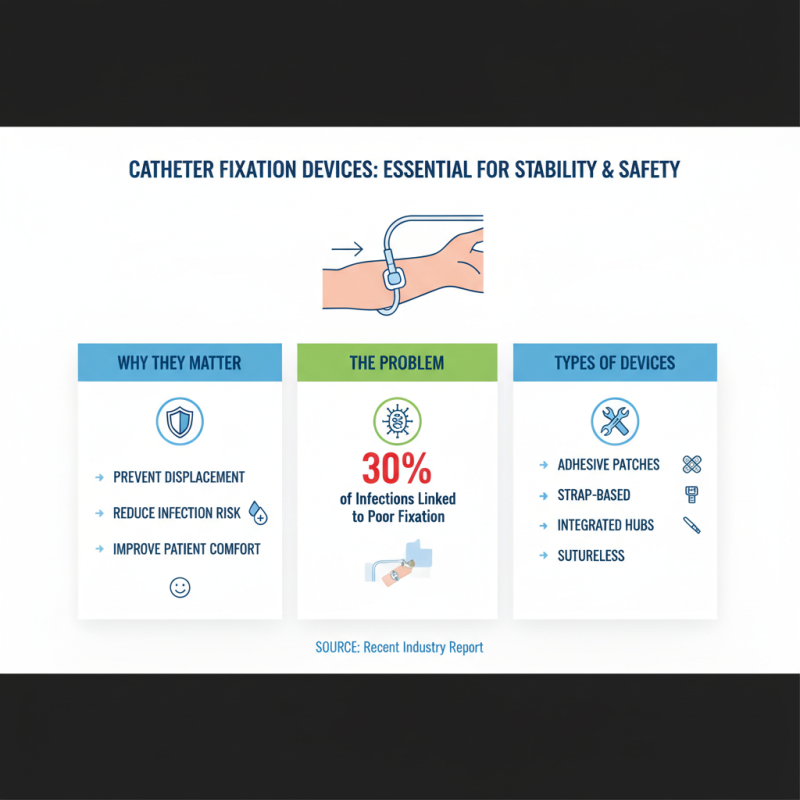
Catheter fixation devices are vital for ensuring the stability and safety of catheters. These devices help prevent complications like catheter displacement and reduce the risk of infections. According to a recent industry report, nearly 30% of catheter-related infections are linked to improper fixation methods. Understanding the various types available is crucial for selecting the best one for specific needs.

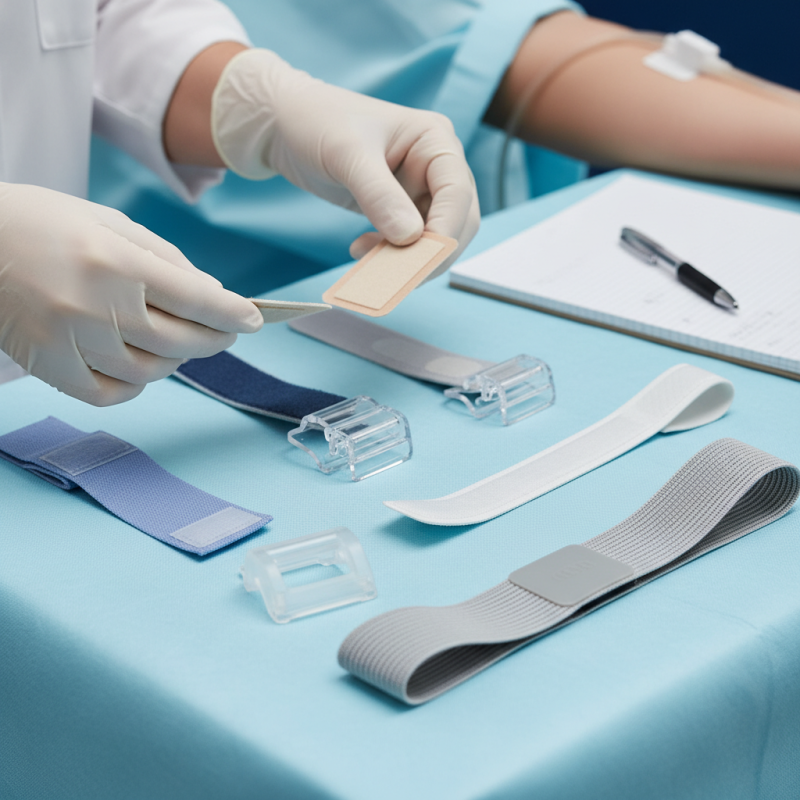
Several fixation devices are on the market, including adhesives, securing straps, and integrated catheter holders. Each option serves unique purposes. For example, adhesive pads provide a low-profile solution for patients prioritizing comfort. In contrast, securing straps offer stronger hold for more active individuals. Research shows that 15% of healthcare providers report challenges in ensuring catheter stability, highlighting the need for better options.

When choosing a device, consider factors such as skin sensitivity, catheter type, and patient mobility. Many professionals note that personal trials may be necessary to determine the ideal match. It's common to find a one-size-fits-all approach may not apply here, leading to dissatisfaction. Balancing effectiveness and comfort is critical in these decisions.
Types of Catheter Fixation Devices and Their Applications

How to Choose the Best Catheter Fixation Device for Your Needs?

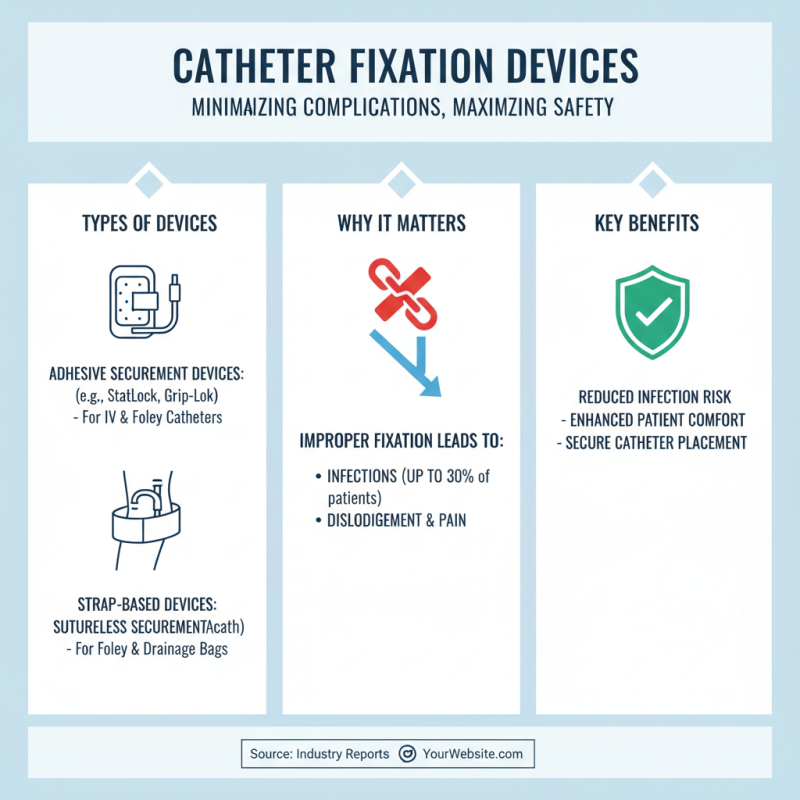
Catheter fixation devices come in various types, each designed for specific applications. These devices are essential in minimizing complications during catheter use. According to industry reports, improper fixation can lead to catheter-related infections in up to 30% of patients. The right choice of a fixation device can significantly reduce these risks.

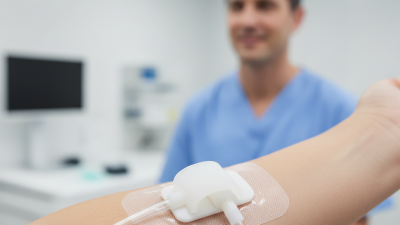
One common type is adhesive fixation devices, suitable for short-term use. They provide strong adherence and are easy to apply. However, they may cause skin irritation in sensitive patients. On the other hand, securement devices with adjustable straps or clamps offer flexibility for long-term catheterization. These devices can help in managing movement and reducing accidental dislodgement.

A newer approach involves ultrasound-guided fixation devices. These innovative tools enhance placement accuracy. Yet, they may require specialized training. Understanding the trade-offs in each type is key. Wrong choices can lead to discomfort or increased healthcare costs. Selecting the best fixation device depends on the patient's needs and the clinician's experience. Striking a balance between comfort and security remains challenging.

Factors to Consider When Choosing a Catheter Fixation Device

When selecting a catheter fixation device, several factors are critical. One essential consideration is the patient’s comfort. A device that is too tight can cause irritation. According to a report by the International Journal of Urology, discomfort can lead to non-compliance in up to 30% of users. Choosing a device with adjustable features can enhance comfort and compliance.

Another important aspect is the security of the fixation device. A study published by the American Journal of Critical Care found that inadequate fixation may increase the risk of complications, such as catheter migration. Devices that provide a secure hold can significantly reduce this risk. Assessing the device's material is also crucial. Devices made from breathable materials can help minimize skin breakdown, which is particularly important for long-term use.

Lastly, user-friendliness should not be overlooked. Some devices may appear advanced but can be complicated to apply. Training staff to use a device properly can result in fewer errors. A study by the Journal of Nursing Care Quality highlighted that improper application led to complications in 15% of cases. Consider these factors closely to ensure the best outcome for patients.

How to Choose the Best Catheter Fixation Device for Your Needs?

Factor Description Importance Level
Material The type of material used can affect comfort and skin integrity. High
Grip Quality How well the device holds the catheter without slipping. High
Ease of Use The simplicity of applying and removing the device. Medium
Patient Comfort How comfortable the device is for the patient over time. High
Cost The price of the device in relation to its features and benefits. Medium
Size and Compatibility Whether the device fits various catheter sizes and types. High
Frequency of Use Consider how often the device will be used in clinical practice. Medium
Patient Population Type of patients that will be using the catheter (e.g., children, elderly). High

Evaluating Comfort and Skin Protection in Catheter Fixation

When selecting a catheter fixation device, comfort and skin protection are crucial. Studies reveal that around 90% of catheter-related complications are due to inadequate skin protection. A poor fixation device can lead to skin breakdown, increasing infection risk. For example, microclimate management is vital. Devices that maintain skin dryness tend to reduce maceration and irritation.

Moreover, the fit of the device is essential. A snug fit can enhance stability and reduce movement. However, a too-tight fit may cause discomfort and skin damage. Data shows that approximately 30% of patients report discomfort with improperly fitted devices. It’s essential to gauge patient comfort levels regularly. Simple adjustments can make a significant difference in their experience.

Materials used in fixation devices also play a role. Soft, breathable materials can improve overall comfort. Yet, not all patients respond the same way to these materials. Regular assessment and feedback from users are necessary to identify the best option. The process can be challenging, but prioritizing comfort and skin health is vital for successful catheter use.

Evaluating Catheter Fixation Devices: Comfort vs. Skin Protection

Tips for Proper Use and Maintenance of Catheter Fixation Devices

Proper use and maintenance of catheter fixation devices are crucial for patient safety. Cleanliness is key. Always wash your hands before handling the device. Use a gentle soap or sanitizer to eliminate germs. After that, inspect the catheter device for any signs of wear or damage. This will help prevent complications later.

During application, ensure the device is secure yet comfortable. Avoid over-tightening, as this can cause discomfort or pressure injuries. Daily checks are essential. Look for any redness or swelling around the catheter site. If you notice anything unusual, consult a healthcare professional promptly.

Lastly, do not forget to replace the device according to your healthcare provider’s guidelines. Regular replacements help maintain hygiene and safety. While it may be easy to overlook these details, doing so can lead to significant risks. Reflect on your current practices and ensure they align with the best care standards.