How to Choose the Right Bone Biopsy Needle for Your Medical Needs

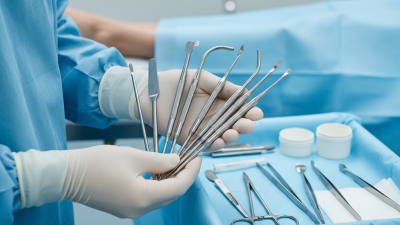
Choosing the right bone biopsy needle is crucial for accurate diagnosis and treatment planning. A bone biopsy is an important procedure that helps doctors examine bone tissue. Selecting an appropriate needle can greatly influence the outcome.

Different sizes and types of bone biopsy needles are available. Each type serves specific needs. For example, larger needles may be necessary for larger lesions. Smaller needles are less invasive, but may not provide enough tissue. Understanding the specifics of your case is key.

Mistakes can happen. If the wrong needle is chosen, it could lead to complications or inconclusive results. Think about factors like your health status and the type of procedure. Choosing a bone biopsy needle is not just about preference; it requires careful consideration and sometimes, a bit of trial and error.
How to Choose the Right Bone Biopsy Needle for Your Medical Needs

Understanding the Types of Bone Biopsy Needles Available on the Market
How to Choose the Right Bone Biopsy Needle for Your Medical Needs

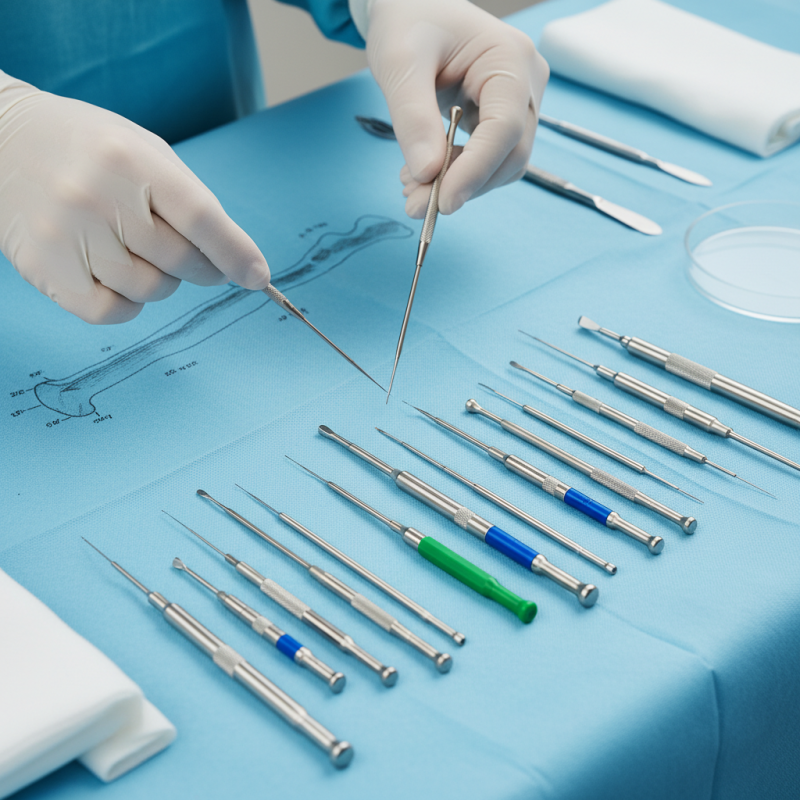
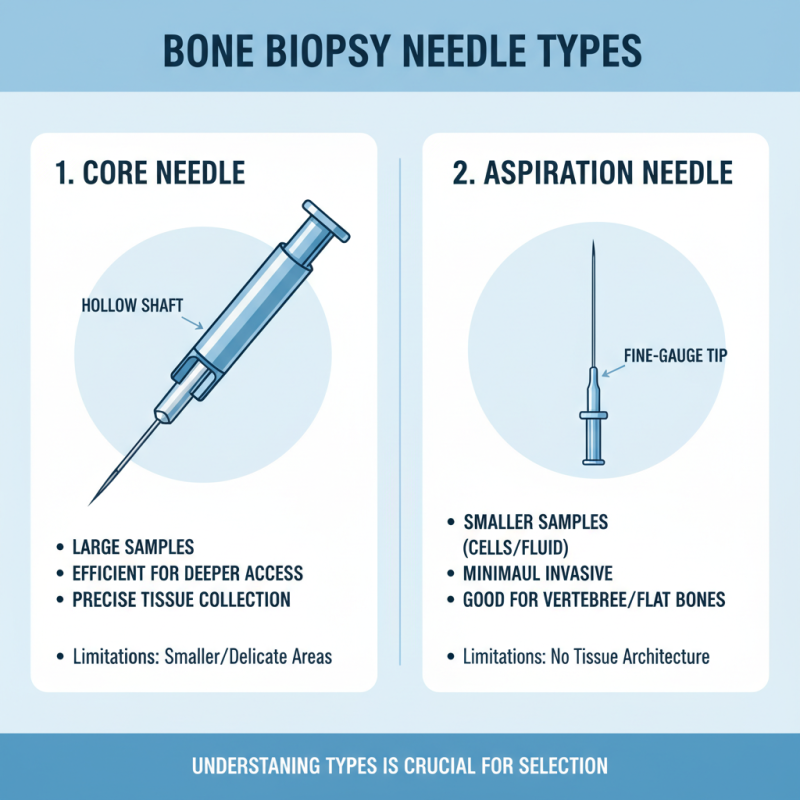
When selecting a bone biopsy needle, understanding the types available is crucial. Several designs cater to various medical needs. A core needle is often used for larger samples. It offers a hollow shaft, making it efficient for deeper bone access. This type is beneficial when precise tissue samples are required. However, it may have limitations in smaller or more delicate areas.

Another option is the aspiration needle. It’s thinner and ideal for obtaining fluid or soft tissue. This needle is less invasive, which can mean quicker recovery times. Yet, it might not always provide enough sample quantity for certain diagnoses. In some cases, a physician may need to repeat the procedure.

Lastly, consider the specialized needles. Some have unique features, such as adjustable lengths or ergonomic handles. These can enhance the user experience, but they come with a learning curve. It’s critical to evaluate personal proficiency with these tools. Understanding the nuances of each type can greatly impact the procedure's success. Knowledge in this area leads to better outcomes for patients.
Factors to Consider When Choosing a Bone Biopsy Needle

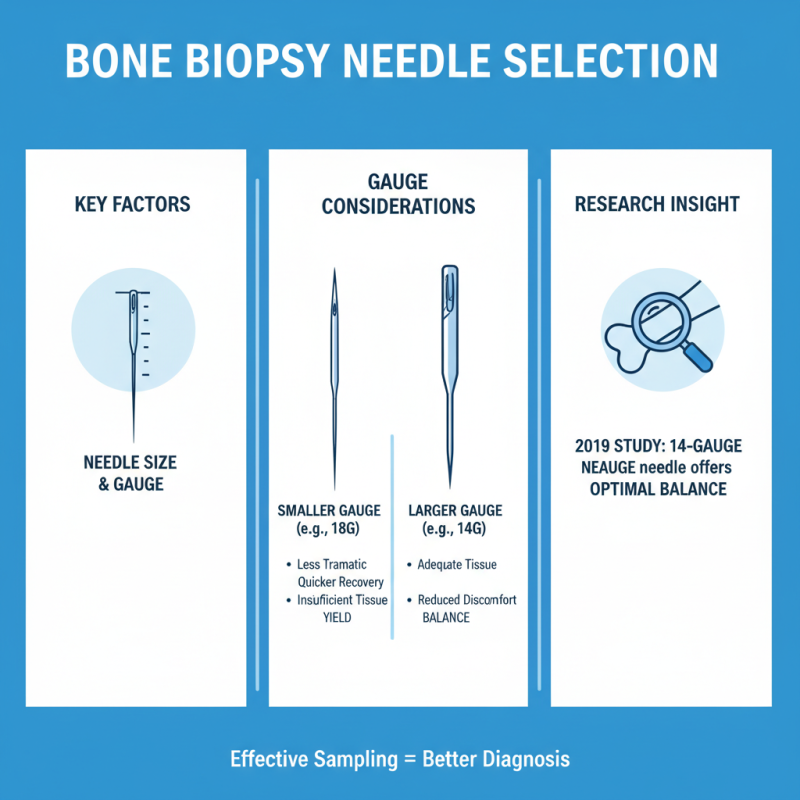
Choosing the right bone biopsy needle is crucial for effective diagnostic outcomes. One of the key factors to consider is the needle gauge. A finer gauge might reduce patient discomfort but may not provide an adequate sample. According to the Journal of Bone and Joint Surgery, a 14-gauge needle is often recommended for optimal tissue acquisition. In contrast, a 10-gauge needle can offer a stronger sample, but the trade-off may be increased pain or complications.

Another important factor is the type of biopsy being performed. Different procedures, like core needle biopsy versus aspiration, require different needle configurations. Studies show that core biopsies yield better histological samples. Yet, many practitioners hesitate due to perceived technical difficulties. A well-designed procedure can often ease these fears. The risk of complications must also be factored in. A report from the American Academy of Orthopaedic Surgeons highlights that complications can occur in about 2-5% of cases.

Finally, physician experience plays a critical role. A needle's effectiveness can vary based on who is using it. Novice practitioners may struggle with certain gauges or types. It is essential to reflect on personal skill levels and biases when choosing the appropriate needle. A balance between patient comfort and sample integrity must be sought.

Bone Biopsy Needle Selection Factors

Assessing the Material and Design of Bone Biopsy Needles

When selecting a bone biopsy needle, the material is crucial. Needles are often made from stainless steel or other alloys. Stainless steel is durable and resistant to corrosion. However, it may not always provide the best maneuverability. The choice of material impacts the biopsy accuracy and ease of retrieval. A needle that bends during the procedure can lead to inadequate samples.

The design of the needle also plays a significant role. Some needles are designed for specific bone types or biopsy techniques. A hollow core allows for easier sampling of bone tissue. However, a larger gauge may cause more discomfort. Consider the length and diameter carefully. Longer needles can reach deeper tissues but may require more skill to handle effectively. The design must fit the patient's anatomy and the medical professional's experience.

It's important to reflect on the specific needs of each patient. What works for one situation may fail in another. While some designs promise precision, they may not always meet the expectations during actual procedures. Sometimes, experimentation with different designs reveals surprising outcomes. Choose wisely, understanding that the perfect needle does not exist, and each choice offers a learning opportunity.

How to Choose the Right Bone Biopsy Needle for Your Medical Needs - Assessing the Material and Design of Bone Biopsy Needles

Needle Type Material Design Features Recommended Use
Tru-Cut Needle Stainless Steel Cutting edge for tissue collection Cores from solid lesions
Jamshidi Needle Stainless Steel Hollow design with side ports Bone marrow aspiration
Bone Biopsy Needle Titanium Alloy Ergonomic handle for better grip Soft bone sampling
Aspiration Needle Plastic Coated Stainless Steel Ultrasound-guided access Sampling soft tissue
Biopsy Gun Aluminum Housing Automatic firing mechanism Rapid sampling in hard tissues

Evaluating Needle Size and Gauge for Optimal Sampling

How to Choose the Right Bone Biopsy Needle for Your Medical Needs

Choosing the right bone biopsy needle is crucial for effective sampling. Among the several factors, needle size and gauge significantly affect the quality of the biopsy. Generally, a larger gauge (thinner needle) can be less traumatic, promoting quicker recovery. However, it may not yield sufficient tissue. A 2019 study indicated that a 14-gauge needle offers a good balance, providing adequate tissue while minimizing patient discomfort.

When considering needle size, depth of insertion also matters. For deep lesions, a longer needle may be necessary. However, using a longer needle without proper training can lead to complications. In such cases, a specialist should guide the selection process.

**Tip**: Always assess the lesion type and location before choosing the needle size.

Sample preparation is vital too. Smaller needles may produce smaller samples. This could affect histopathological assessment quality. Using a needle that fits the clinical scenario enhances diagnostic accuracy, yet balancing size against patient comfort remains essential.

**Tip**: Consult previous cases or statistical data to ensure your choice matches the expected outcomes.

Reviewing these factors is not merely a checklist; it requires thoughtful consideration of the specific medical context and the patient’s condition.

Safety and Sterility Considerations in Bone Biopsy Procedures

When performing a bone biopsy, safety and sterility must be prioritized. The choice of a biopsy needle is crucial. An inadequate needle can introduce contaminants. This can lead to infections. It is important to use sterile needles and adherent protocols. Failure to maintain a sterile environment may result in complications.

Cleanliness extends beyond the needle. The procedure area requires thorough disinfecting. Healthcare providers must wear proper gloves and masks. They should also be mindful of their movements during the procedure. Every step matters in maintaining a sterile field. Even minor lapses can increase risks.

After the biopsy, proper disposal of needles is essential. Mishandling can lead to needle-stick injuries. Practitioners need to follow safety protocols strictly. Reflection on past procedures can help identify areas for improvement. Continuous education on safety measures can enhance overall outcomes in bone biopsy practices.