
How to Choose the Right Drainage Bag for Your Needs
When it comes to managing health conditions that require fluid drainage, selecting the appropriate drainage bag is crucial. According to Dr. Sarah Thompson, a leading expert in urological health, “Choosing the right drainage bag can significantly impact a patient’s comfort and quality of life.” This statement underscores the importance of understanding one’s specific needs when navigating the various options available in the market.
A drainage bag functions as a pivotal tool for individuals undergoing specific medical treatments, and its selection is often influenced by factors such as the type of procedure, mobility requirements, and personal lifestyle. With numerous styles and features, the process can be overwhelming. Therefore, it's essential for patients and caregivers to be informed and deliberate in their choice, ensuring that the selected drainage bag aligns with their unique circumstances.
In this guide, we will explore key considerations in choosing the right drainage bag, providing insights that will empower users to make informed decisions. By considering factors such as capacity, comfort, and ease of use, individuals can enhance their management of fluid drainage and lead more fulfilling lives.
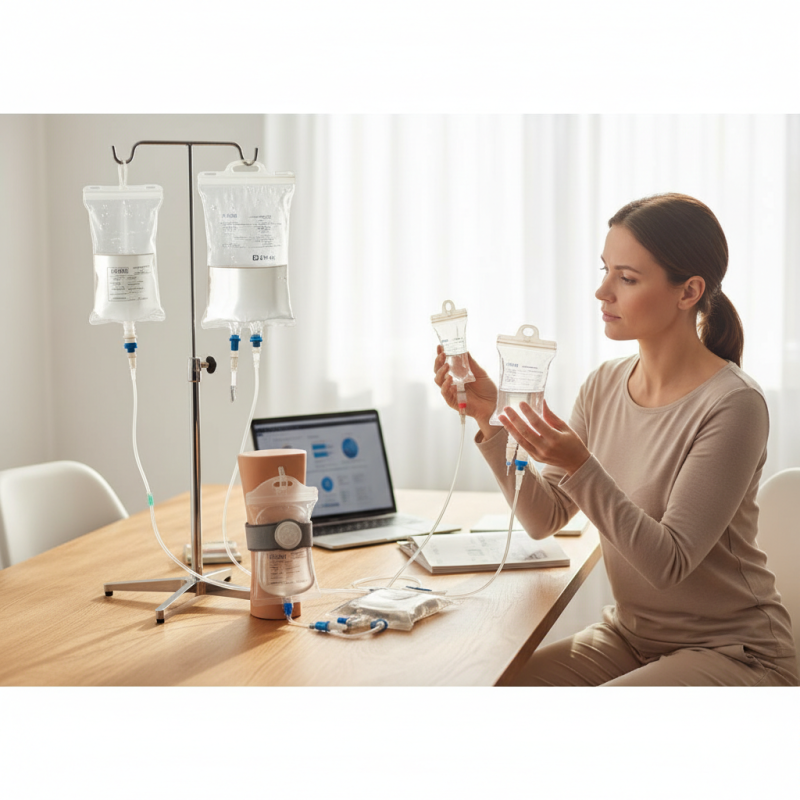
Understanding the Different Types of Drainage Bags Available
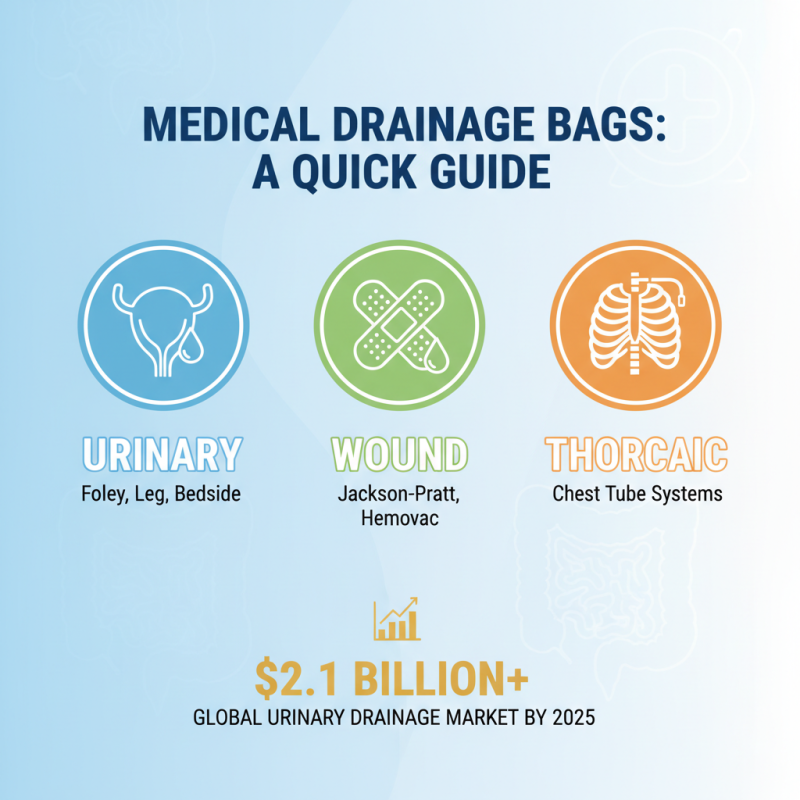
When selecting the appropriate drainage bag for your needs, it is crucial to understand the various types available on the market. Drainage bags can be categorized based on their use, including urinary drainage bags, wound drainage bags, and thoracic drainage bags. Each type serves a specific purpose, tailored for different medical conditions and patient needs. According to a report by the Global Market Insights, the global market for urinary drainage products alone is projected to surpass $2.1 billion by 2025, underscoring the increasing demand and variety in this category.
Urinary drainage bags are available in two primary forms: leg bags and bedside drainage bags. Leg bags are designed for mobility, allowing patients to continue their daily activities while managing their condition discreetly. In contrast, bedside bags are larger, designed to hold a greater volume, and are typically used during the night or in hospital settings. Additionally, wound drainage bags, which specialize in collecting fluid from surgical sites, can vary in size and material based on the type of procedure and the expected drainage volume. Research indicates that proper selection and use of these bags are linked to reduced infection rates and improved patient comfort, highlighting the importance of understanding the specific features and applications of each type.
Assessing Your Medical Needs and Daily Lifestyle Requirements
When selecting the right drainage bag, it's essential to assess both your medical needs and your daily lifestyle requirements. Consider the nature of your medical condition, including the type and level of fluid drainage required. For instance, certain conditions may necessitate a larger capacity bag, while others might allow for more compact options. Understanding the frequency of drainage and whether you require a bag that can handle overnight use versus one designed for daytime activities is crucial to ensure comfort and functionality.
Tips: Take into account your daily routine when choosing a drainage bag. For those with an active lifestyle, a discreet and secure option that minimizes visibility under clothing can enhance confidence and comfort. Additionally, think about the ease of attachment and removal, as well as the bag's weight, especially if you are frequently on the move.
Lastly, your comfort should be paramount. Evaluate the material of the drainage bag, as soft and breathable fabrics can prevent irritation during prolonged wear. It's also vital to consider how the drainage bag integrates into your daily activities, from work to leisure pursuits, ensuring that it aligns with your personal style and comfort needs, allowing you to maintain a sense of normalcy in daily life.
How to Choose the Right Drainage Bag for Your Needs
Factors to Consider When Selecting a Drainage Bag
When selecting a drainage bag, several factors must be considered to ensure it meets your specific needs. One of the primary aspects is the size and capacity of the bag. Depending on the frequency of your drainage needs and your activity level, a larger bag may be necessary to accommodate greater volumes. Additionally, consider the type of drainage the bag is designed for; different medical conditions may require specialized bags that are more suited to particular forms of collection, whether for urinary or wound drainage.
Another important factor is the bag's comfort and ease of use. Look for features such as a soft, flexible material that minimizes discomfort against the skin. The bag should also have intuitive closures and a convenient drainage mechanism, allowing for easy emptying and maintenance. Furthermore, assess the security mechanisms provided, such as adhesive strips or straps, to ensure it stays in place during movement. Choosing a bag that aligns with your lifestyle will greatly enhance your comfort and confidence in managing your condition.
How to Choose the Right Drainage Bag for Your Needs - Factors to Consider When Selecting a Drainage Bag
| Factor | Description | Recommended Use |
|---|---|---|
| Capacity | The volume the bag can hold, usually measured in milliliters. | Ideal for patients with different output needs; larger capacities for high output. |
| Material | The type of material used to make the bag, affecting durability and comfort. | Choose soft materials for comfort or thicker materials for durability. |
| Closure Type | The method used to secure the bag outlet, such as tap or valve. | Consider ease of use; taps for quick drainage, valves for controlled discharge. |
| Size | Dimensions of the bag, affecting portability and discreetness. | Select smaller sizes for discretion; larger for hospital use. |
| Drainage System Compatibility | How well the bag fits with the current drainage system or catheter. | Ensure compatibility to avoid leaks or flow issues. |
| Odor Control | Features that reduce or mask odors from the bag. | Important for users seeking discretion in public settings. |
| Price | Cost of the drainage bag, which can vary between brands and features. | Balance between budget and required features; consider long-term use costs. |
Evaluating Comfort and Ease of Use in Drainage Bag Options
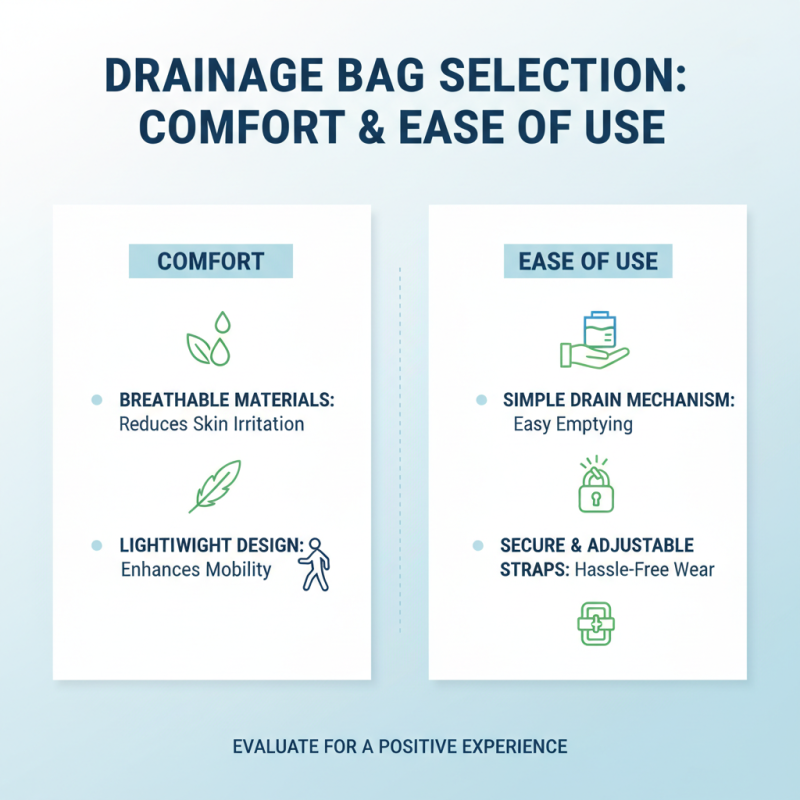
When selecting a drainage bag, evaluating comfort and ease of use is crucial for ensuring a positive experience. Comfort often hinges on the bag's material and design. Look for bags made from breathable materials that reduce skin irritation and allow for extended wear. Additionally, a lightweight design can help you maintain mobility throughout the day, allowing you to engage in normal activities without feeling restricted.
Ease of use involves how seamlessly the bag can be integrated into your daily routine. Consider features such as easy-to-open closures, intuitive attachment mechanisms, and the ease of emptying and cleaning. It’s beneficial to choose a bag that allows for quick and convenient maintenance, ensuring you can manage your needs effectively without additional stress.
**Tips:**
- Always test a few different designs and features to find what feels best for your body type and lifestyle.
- Prioritize bags with adjustable straps or holders for enhanced security and comfort.
- Consult with healthcare professionals who can provide personalized recommendations based on your unique situation.
Seeking Professional Advice and Recommendations for Your Choice
Choosing the right drainage bag can significantly affect your comfort and quality of life. Therefore, seeking professional advice and recommendations is crucial before making a decision. Healthcare professionals, such as nurses and doctors, can provide personalized guidance based on your specific medical needs and lifestyle. They can explain the different types of drainage bags available, helping you understand which features are most beneficial for your situation.
Tips: Always consult with your healthcare provider regarding your specific condition to ensure you select a drainage bag that accommodates your daily activities. Take the time to discuss your concerns, and don’t hesitate to ask questions about the materials used and ease of use.
In addition to professional advice, researching patient testimonials and experiences can offer valuable insights. Online forums, support groups, and community resources can help you understand how different bags work in real-life scenarios. Analyzing experiences from others can guide you in making an informed choice that aligns with both your medical requirements and personal preferences.
Tips: When evaluating drainage bags, consider factors like bag size, ease of disposal, and comfort. Keep in mind that selecting the right drainage bag may require some trial and error, so be patient and remain open to adjustments based on your feedback and comfort level.
Related Posts
-
Understanding the Importance of Luer Stopcocks in Fluid Management Systems for Healthcare Efficiency
-

What is an Aln Filter and How Does It Work in Modern Applications
-

Understanding the Science Behind Luer Lock Stopcocks: Essential Guide for Medical Professionals
-

How to Choose the Right Bone Biopsy Needle for Accurate Diagnosis?
-

7 Best Argon Drainage Bags for Enhanced Patient Care in 2023
-

Top Arrow Arterial Line Kit Benefits and Usage in Intensive Care Units