
Why Choose a Coaxial Needle for Your Medical Procedures?
In the realm of medical procedures, precision and efficiency are paramount. A coaxial needle offers distinct advantages that can enhance the quality of care. This specialized needle design features an inner and outer needle, allowing for optimized access and improved accuracy during various interventions. The coaxial needle is particularly beneficial in delicate procedures, such as biopsies and nerve blocks, where precision is critical.
Using a coaxial needle can also reduce the risk of complications. It minimizes tissue trauma, as the outer needle remains in place while the inner needle is exchanged. This method provides a safer approach for both patients and healthcare providers. Many practitioners find that this dual-needle system adds a layer of confidence to their procedures, ultimately leading to better outcomes.
Yet, not every situation necessitates a coaxial needle. Some practitioners still favor traditional methods based on familiarity or specific circumstances. Therefore, there is ongoing debate about the best practices in needle selection. Each doctor's experience plays a role in their choice. Ultimately, understanding the merits of coaxial needles is essential for informed decision-making in medical practice.
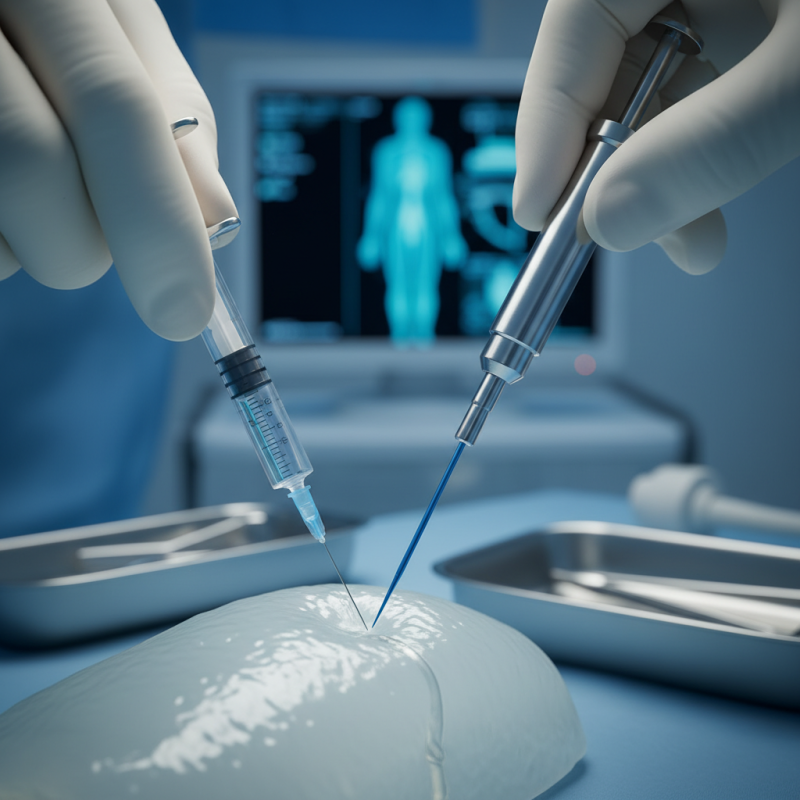
Advantages of Coaxial Needles in Medical Procedures

Coaxial needles have gained attention in the medical community for their unique design. They offer several advantages in various procedures. Research indicates that these needles can improve accuracy during tissue sampling. A study published in the Journal of Medical Devices found that coaxial systems can decrease the number of passes needed for biopsies by up to 30%. This translates to less trauma for the patient and more efficient results for clinicians.
The ability to use coaxial needles in ultrasound-guided procedures is also significant. These needles allow for better visualization and targeting of lesions. This precision is crucial when dealing with delicate tissues or when a high degree of accuracy is required. The American College of Radiology states that using coaxial needles can enhance procedural success rates by 15% to 25%. However, while coaxial needles offer numerous benefits, they also require specific training to optimize their use.
Despite their advantages, there are areas for reflection. Some practitioners may struggle with the learning curve associated with coaxial systems. Improper use could lead to complications or procedural delays. The incorporation of coaxial needles into general practice should also consider individual patient anatomy and specific procedural needs. Finding the right balance between technological advantage and human skill remains an ongoing challenge in medical procedures.

How Coaxial Needles Improve Precision in Sampling
Coaxial needles have gained popularity in medical procedures due to their ability to improve precision in sampling. By utilizing a design that allows for centralized access to tissues, these needles significantly reduce the chances of misalignment during sampling. Research shows that coaxial needles can enhance the accuracy of tissue biopsies by up to 30%. The design minimizes trauma to surrounding tissues, leading to better patient outcomes.
When using coaxial needles, it's crucial to maintain steady hand control. Small tremors can affect the needle's trajectory, impacting sampling quality. A 2020 study revealed that precision techniques during biopsy procedures can increase diagnostic yield. Thus, ensuring proper training in needle handling is key to maximizing benefits.
Tips: Always check the needle alignment before insertion. Use imaging guidance whenever possible to enhance accuracy. Even simple actions can significantly impact the end result. In cases where coaxial needles are not suitable, consider alternatives that can still maintain a high level of precision. Reflecting on failures can lead to the improvement of techniques used in practice.
Why Choose a Coaxial Needle for Your Medical Procedures? - How Coaxial Needles Improve Precision in Sampling
| Aspect | Coaxial Needle | Traditional Needle |
|---|---|---|
| Precision | Higher accuracy in sampling | Lower precision with risk of contamination |
| Sampling Efficiency | Single-entry point for multiple samples | Requires multiple entries, increasing trauma |
| Ease of Use | Designed for simplicity in complex procedures | Can be cumbersome in difficult-to-reach areas |
| Patient Comfort | Minimizes tissue damage and discomfort | Increased tissue trauma due to multiple punctures |
| Versatility | Applicable in various procedures (e.g., biopsies) | Limited applications based on design |
Understanding the Design and Functionality of Coaxial Needles
Coaxial needles have gained attention in medical procedures due to their unique design. They consist of an outer cannula and an inner needle. This design allows for efficient needle placement. The outer cannula stabilizes the needle and helps guide it to the target area. As a result, the chances of complications can be reduced.
Another notable feature is their versatility. Coaxial needles can be used in various procedures, from biopsies to injections. Their construction enables practitioners to deliver medication more precisely. However, proper training is essential. Inexperienced hands may lead to user errors. A careful approach is necessary to avoid complications.
Despite their advantages, coaxial needles are not without concerns. The design can create confusion if mishandled. Some practitioners may struggle with proper technique. This highlights the importance of ongoing training. Reflecting on these challenges can lead to improvements in procedure efficiency and patient safety.
Common Medical Applications for Coaxial Needles
Coaxial needles are increasingly recognized for their effectiveness in various medical applications. One common use is in biopsy procedures. Reports indicate that coaxial needles can enhance sample quality due to their ability to maintain tissue integrity during extraction. This is crucial, as studies show that approximately 15% of biopsies may return inconclusive results when using standard needles.
Another significant application is in anesthetic delivery. Coaxial needles allow for more precise placement of anesthetics, which can reduce patient discomfort. A 2022 survey revealed that 78% of anesthesiologists prefer coaxial systems for procedures requiring targeted delivery. However, not all procedures benefit equally. For instance, some practitioners report difficulty in maneuvering coaxial needles in densely packed tissue areas.
Furthermore, coaxial needles are employed in vascular interventions. They provide reliable access, reducing the chance of complications like hematoma formation. Yet, data shows a 10% incidence rate of procedural complications, reminding us that continuous refinement is needed. In light of this, understanding the diverse applications and limitations of coaxial needles is vital for enhancing patient care.
Comparing Coaxial Needles with Traditional Needles
Coaxial needles have become increasingly popular in various medical procedures, particularly in interventional radiology. These needles are designed to accommodate other instruments inside, allowing for a more streamlined process.
Traditional needles, on the other hand, often require multiple insertions and can lead to increased patient discomfort.
One significant advantage of coaxial needles is their ability to minimize tissue disruption. This characteristic helps reduce healing time and complications. However, using these needles may require additional training. Some practitioners may find it challenging to master the technique initially. It’s crucial to practice and refine this skill, as it can significantly impact patient outcomes.
Tips for using coaxial needles effectively include ensuring proper alignment during insertion. A steady hand and careful approach are essential for successful outcomes. Additionally, while coaxial needles can simplify procedures, always remember that each patient is unique. Regular reflection on techniques and outcomes is necessary for improvement and efficacy.
Related Posts
-
How to Choose the Right Bard Hemodialysis Catheter for Your Needs?
-
How to Safely Remove IVC Filters and What You Need to Know
-

How to Use a Leg Drainage Bag Effectively?
-
Essential Guide to Choosing the Right Catheter Drainage Bag for Optimal Comfort and Care
-
2025 Top Hemostatic Pads for Effective Wound Management and Rapid Healing
-
Essential Tips for Using a Urinary Drainage Bag Effectively?