What is a control syringe and how is it used?
In the field of medical devices, the control syringe plays a crucial role. Dr. Sarah Thompson, a leading expert in medical instrumentation, states, "The control syringe ensures precision in fluid delivery." This statement highlights the importance of accuracy in medical procedures.
Control syringes are designed to regulate the flow of liquids precisely. They are commonly used in various applications, including anesthesiology and infusion therapy. Their construction allows for smooth, controlled dispensing, which is vital for patient safety. A poorly calibrated syringe can lead to dangerous over- or under-dosing.
However, the efficacy of control syringes depends on proper usage and maintenance. Users must be trained to avoid common pitfalls. Oversights in technique can compromise outcomes. Thus, understanding the nuances of control syringes is essential for medical professionals. As the industry evolves, ongoing education will remain key to maximizing safety and effectiveness in patient care.
Definition and Purpose of a Control Syringe
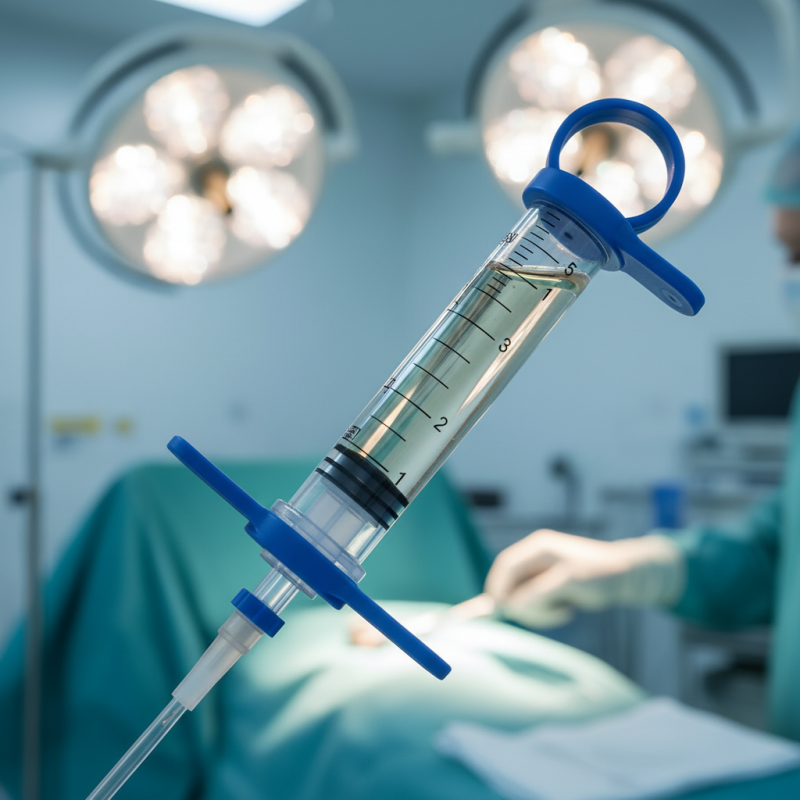
A control syringe is a specialized device used primarily in medical settings to measure and deliver precise doses of fluid. It allows healthcare professionals to administer medications accurately. The purpose of a control syringe extends beyond mere fluid transfer; it is instrumental in ensuring patient safety. Misadministration can have serious repercussions, with studies indicating up to 49% of medication errors being attributed to dosing inaccuracies.
Furthermore, control syringes are designed to minimize waste and ensure that healthcare workers can extract the desired amounts efficiently. According to a report from the Institute for Safe Medication Practices, the standardization of such devices can lead to a 30% reduction in errors related to drug delivery. While the technology is advanced, there are discussions about potential improvements needed. Some users note that certain models can be inconsistent, leading to debate over reliability in crucial situations. This highlights the importance of ongoing training and auditing in medical facilities to ensure correct usage.
Proper training on the control syringe's mechanics is vital. Misunderstandings can lead to over or under-dosing. A study found that 25% of healthcare workers felt unsure when using new syringe technology. This lack of confidence can compromise patient care. Addressing these gaps through regular workshops is crucial for enhancing safety and efficacy in medication administration.
Components of a Control Syringe
Control syringes play an essential role in various medical applications. These syringes are designed to deliver precise volumes of liquids. Key components include a plunger, barrel, and an adjustable stop. The plunger creates a vacuum that draws liquid into the barrel. This design ensures accuracy during administration.
The barrel is often marked with measurement lines for easy reading. It might be made from materials such as transparent plastic or glass for visibility. An adjustable stop allows healthcare professionals to set the desired volume accurately. Data from the World Health Organization indicates that precision in medication delivery can improve patient outcomes significantly.
Tip: Always check syringe markings. Misreading doses can lead to potentially harmful errors.
Proper maintenance is crucial for control syringes. Regular inspection for cracks or malfunction is essential for safety. Data indicates that over 10% of healthcare-related errors stem from equipment failure. Always discard any syringe that shows signs of wear or damage to prevent inaccuracies.
Tip: Keep spare syringes on hand. This practice can reduce delays in critical situations. The reliability of your equipment directly impacts care quality.
How a Control Syringe is Used in Medical Procedures
A control syringe plays a vital role in various medical procedures. It is used to administer precise doses of medication or inject contrast agents for imaging. The design allows for a plunger that provides a steady flow, ensuring accuracy. Medical professionals rely on this tool to minimize errors, especially during intricate surgeries.
During procedures like joint injections or spinal anesthesia, control syringes help in delivering medications effectively. They allow for controlled pressure, reducing the risk of complications. This level of control is crucial when dealing with sensitive tissues. Improper use can lead to adverse effects, reminding practitioners to handle these syringes with care. Training is essential to ensure the right technique is applied.
Interestingly, while control syringes are designed for precision, mistakes can still occur. Sometimes, the dosage may not be accurately administered. Regular audits and continuous education for healthcare providers can mitigate these risks. The effectiveness of a control syringe lies not only in its design but in the skill of the user. Each procedure offers lessons and room for improvement.
What is a control syringe and how is it used? - How a Control Syringe is Used in Medical Procedures
| Dimension |
Details |
| Definition |
A control syringe is a specialized syringe used to administer medications or fluids in a controlled manner during medical procedures. |
| Types |
Single-use syringes, multi-dose syringes, and automated control syringes. |
| Uses |
Administering medications, anesthetics, and fluids during surgeries and other medical procedures. |
| Advantages |
Allows for precise dosage control, reduces the risk of contamination, and enhances patient safety. |
| Procedure |
The healthcare provider selects the appropriate syringe, fills it with the medication, and precisely administers it to the patient as needed. |
| Considerations |
Ensure proper training in usage, follow sterile procedures, and dispose of used syringes properly. |
Benefits of Using a Control Syringe in Healthcare
A control syringe is an essential tool in healthcare. It ensures precise measurement and delivery of medication. This accuracy is critical in settings like hospitals and clinics. A control syringe also minimizes the risk of dosage errors. Health professionals rely on this device for safe medication administration.
Using a control syringe has several benefits. It promotes better patient outcomes, reducing the chance of complications. Healthcare providers can trust the exact doses delivered, supporting effective treatment plans. Moreover, control syringes often have visible measurement indicators. This feature aids in maintaining accuracy while preparing injections.
Despite its advantages, some challenges remain. Not all healthcare workers may be familiar with its use. Training is key to maximizing its benefits. Additionally, proper maintenance is essential to ensure reliability. Regular checks can prevent potential issues. In summary, the control syringe stands as a vital instrument, facilitating precise and responsible patient care.
Usage of Control Syringe in Healthcare
This bar chart illustrates the different benefits of using a control syringe in healthcare over a period of one year, highlighting improvements in accuracy, safety, and efficiency.
Maintenance and Safety Considerations for Control Syringes
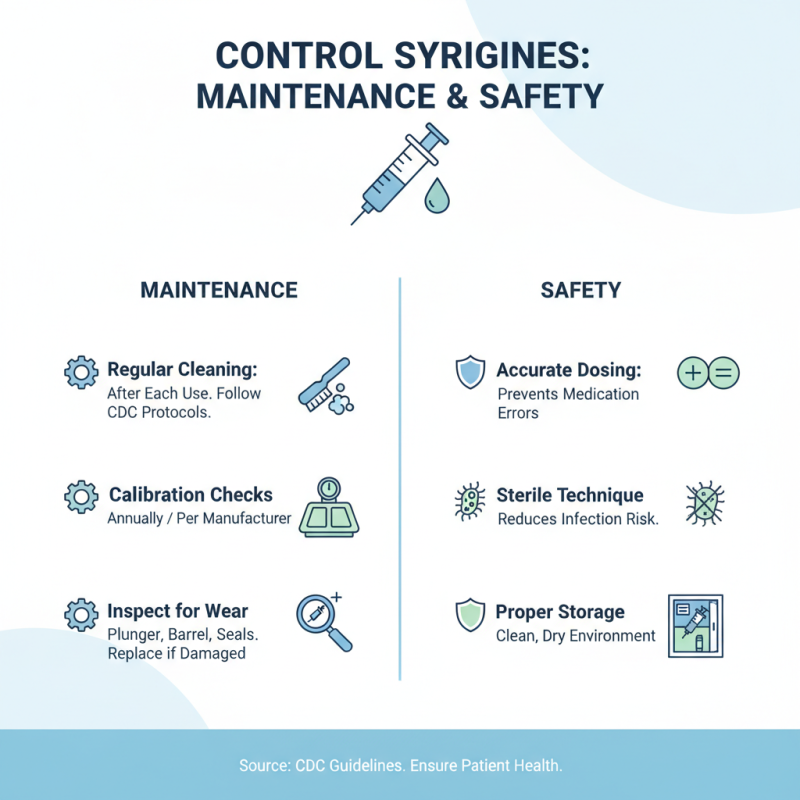
Control syringes are critical tools in medical settings, particularly in the administration of precise doses of medications. They require regular maintenance to ensure accuracy. Research shows that improperly maintained syringes can lead to dosing errors, which can have severe consequences for patient health. The CDC emphasizes the importance of following strict cleaning protocols.
Proper storage is equally vital. Control syringes should be kept in a clean, dry environment to prevent contamination. It is crucial to inspect syringes regularly for any signs of wear or damage. According to studies from health organizations, 20% of medical errors are linked to equipment misuse, indicating that awareness is key. Training healthcare staff in proper handling techniques can enhance safety.
In addition to maintenance, user safety cannot be overlooked. Needlestick injuries remain a significant risk. The WHO states that about 2 million workers face needlestick injuries yearly. Personal protective equipment (PPE) should always be used when handling control syringes. Revisiting and improving safety protocols can reduce incidents. Continuous education in safe practices is necessary. Overall, maintenance, proper use, and safety training are vital for effective control syringe management.