
How to Use a Leg Drainage Bag Effectively?
Using a leg drainage bag can feel overwhelming. Many individuals rely on this device for managing fluid build-up in their lower limbs. Proper usage is crucial for comfort and hygiene.
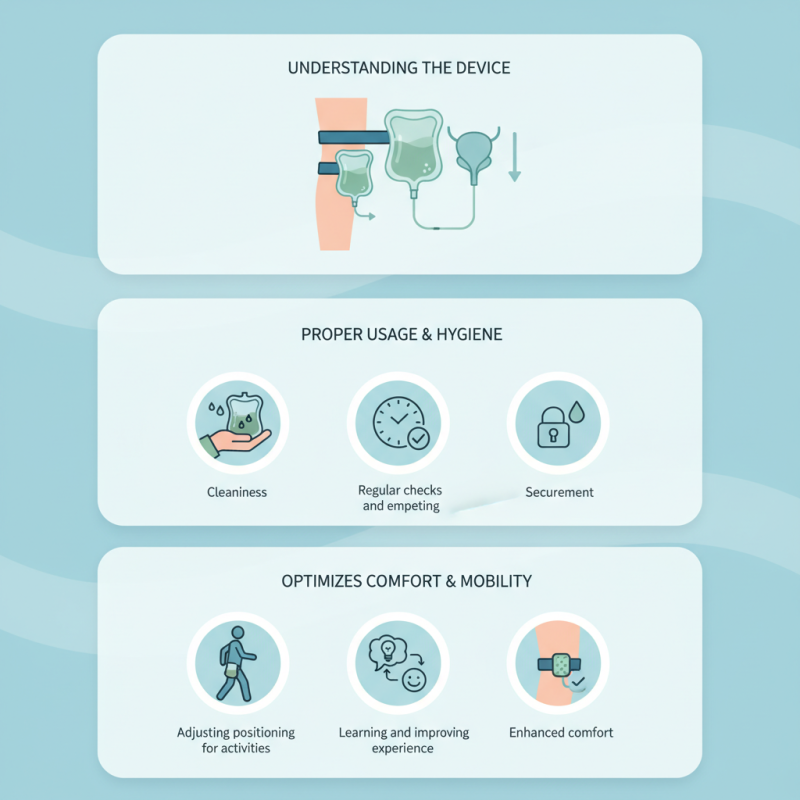
To maximize the effectiveness of a leg drainage bag, understanding its features is essential. It’s designed to collect urine and reduce the risk of complications. While convenient, it requires regular checks and maintenance to prevent issues. Users might encounter discomfort or leaks if not applied correctly.
Pay attention to the positioning and securing of the bag. Inadequate placement can lead to accidents and messy situations. Learning from these experiences is key. Observe how wearing the leg drainage bag affects daily activities. This insight can help improve your approach. Adjusting how you manage it can enhance your overall experience.
Understanding the Purpose of a Leg Drainage Bag
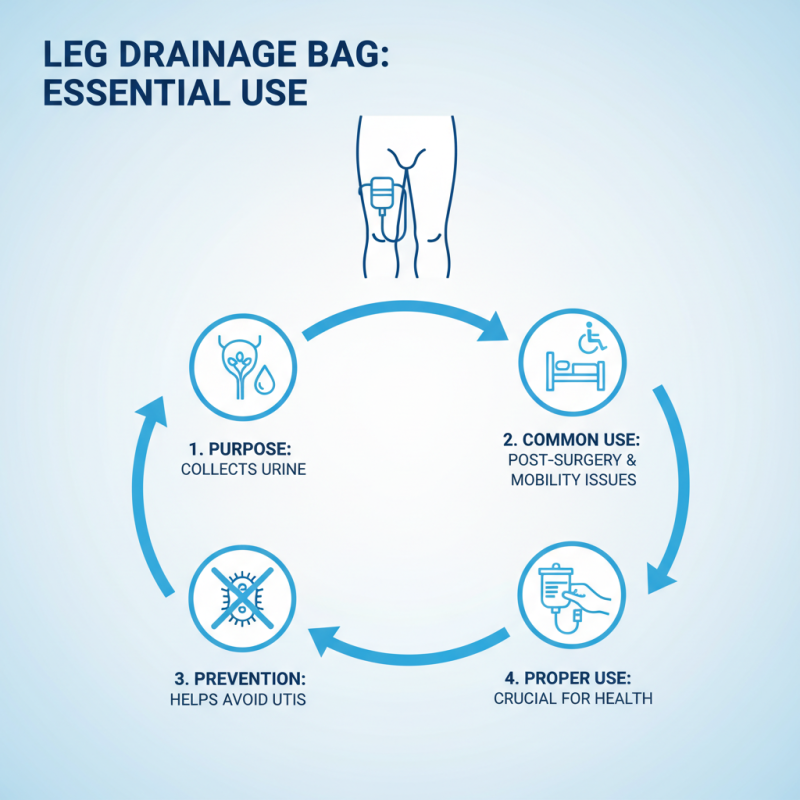
Understanding the purpose of a leg drainage bag is essential for effective use. These bags serve to collect urine from patients who may be unable to use the restroom. They are commonly used after surgeries or in cases of mobility issues. A properly used drainage bag helps prevent complications like urinary tract infections.
When using a leg drainage bag, positioning is key. The bag should always be below the level of the bladder. This prevents backflow, which could lead to unwanted infections. It’s also important to secure the bag firmly, yet comfortably, on your leg. However, sometimes users find it inconvenient or awkward, which can lead to improper use.
Monitoring the output is crucial. Regular checks help track hydration levels and detect any unusual changes. Sometimes, patients may neglect this part, leading to potential health issues. Personal comfort should not be overlooked, either. Finding the right fit and securing the bag correctly are vital. This process can take some time and adjustment.
Choosing the Right Leg Drainage Bag for Your Needs
Choosing the right leg drainage bag is crucial for effective use. Various factors influence this choice. Research indicates that improper selection can result in complications. According to a study by a medical journal, nearly 30% of users reported discomfort due to poorly fitting bags. Selecting a bag that accommodates your body type is essential.
Tips: Measure your thigh circumference to ensure a snug fit. This can prevent leaks and skin irritation. Material matters too. Look for breathable fabrics to enhance comfort during prolonged use.
Many users overlook capacity. It is vital to choose a bag that suits your lifestyle. A bag with too small a capacity can lead to frequent changes. This might affect your mobility and comfort. Conversely, too large can be cumbersome. A balance must be struck.
Tips: Check the bag's capacity before purchase. Consider how long you will be active while wearing it. Assess your daily routine to find the best match for your needs. The right bag can significantly improve your experience.
Usage Effectiveness of Different Leg Drainage Bags
This chart shows the usage effectiveness percentages of different leg drainage bags based on user feedback. Bag A has the highest effectiveness at 85%, while Bag D shows the lowest at 65%. This data can help you choose the right leg drainage bag for your needs.
Steps to Properly Attach a Leg Drainage Bag
Properly attaching a leg drainage bag is crucial for comfort and hygiene. Begin by washing your hands thoroughly. This step helps reduce the risk of infection. Ensure the skin around the drain site is clean and dry. Use a sterile wipe to clean the area. This helps prevent any complications.
When attaching the bag, find the right position. The bag should hang below the level of the bladder. This prevents backflow, which can lead to infections. Utilize the provided straps to secure the bag to your leg. Make sure it’s snug but not too tight.
Tip: Check the drainage output regularly. This helps monitor your condition. If you notice changes, consult your healthcare provider. Remember, discomfort may signal issues like a blockage. Be aware and proactive.
Additionally, avoid putting too much weight on the bag. It’s designed for use, but mishandling can cause leaks. If you notice any unexpected fluid accumulation, it could indicate a problem. Regular checks are essential for maintaining the effectiveness of the bag. Always put your health first.
Maintaining Hygiene While Using a Leg Drainage Bag
Maintaining hygiene while using a leg drainage bag is crucial for comfort and health. Clean hands should be the priority before handling the bag. Always wash them thoroughly with soap and water. This simple step can prevent infections. Make sure to empty the bag regularly to avoid overflow. An overflowing bag can lead to leaks, making hygiene harder to maintain.
When attaching the bag, ensure your skin is dry and free from any moisture. This helps the adhesive stick better and reduces irritation. Use a clean, dry cloth to wipe the skin around the area. Regularly check the bag for any signs of wear and tear. A damaged bag can cause issues. Remember to dispose of used parts properly. It can be easy to overlook this, but improper disposal can contaminate the environment.
People often forget to monitor for unusual signs. Look for changes in urine color or smell. These can indicate a problem. Don’t hesitate to consult a healthcare professional if something seems off. Always be proactive in managing hygiene to enhance overall well-being while using a leg drainage bag.
How to Use a Leg Drainage Bag Effectively? - Maintaining Hygiene While Using a Leg Drainage Bag
| Aspect | Details |
|---|---|
| Purpose | To collect urine and prevent leakage while maintaining mobility. |
| Hygiene Practices | Regularly clean the drainage bag, and practice hand hygiene before and after handling. |
| Bag Positioning | Ensure the bag is positioned below the level of the bladder to facilitate drainage. |
| Changing the Bag | Change the bag as per medical advice or when indicated by odor or leakage. |
| Monitor Output | Keep track of urine output to report any abnormalities to healthcare providers. |
| Signs of Infection | Watch for signs of infection such as fever, chills, or unusual discharge. |
Troubleshooting Common Issues with Leg Drainage Bags
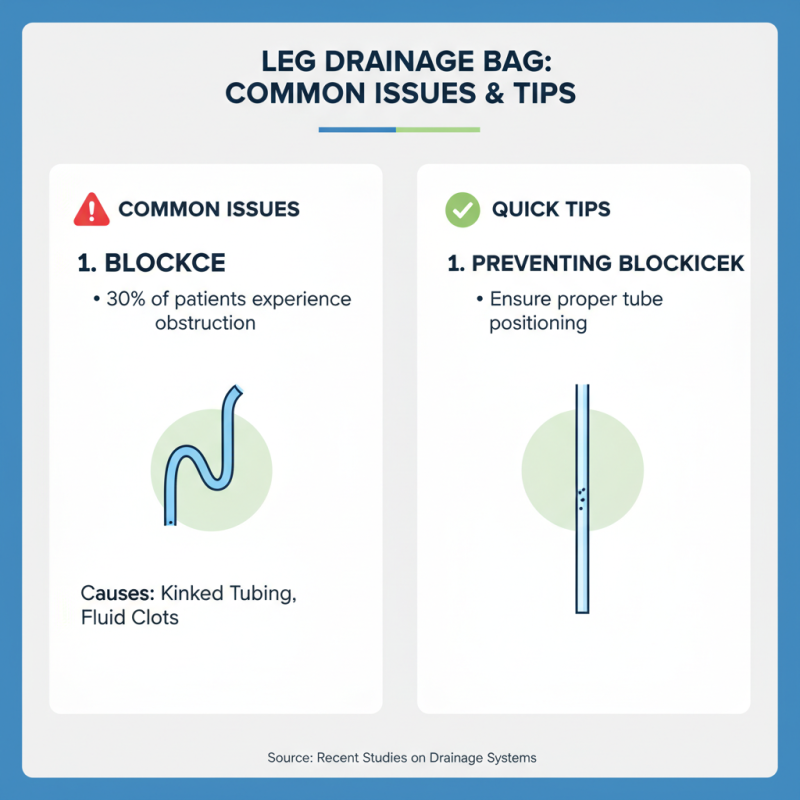
Using a leg drainage bag can be straightforward, but common issues often arise. For instance, a frequent problem is blockage. According to recent studies, nearly 30% of patients experience some level of obstruction in their drainage system. This can lead to discomfort and ineffective fluid removal. Blockages can happen due to kinks in the tubing or coagulation of fluids. Ensuring the tubing is properly positioned can reduce these instances.
Another common issue involves leaks. A surprising 25% of users report leakage, which can create significant hygiene concerns. Regularly checking connections and securing seals is vital. Sometimes, the bag may not be positioned correctly. The drainage bag should always be lower than the bladder to allow gravity to assist in fluid flow. Many users neglect this detail, leading to frustrations and increased risk of infections.
Patients must also be aware of skin irritations from prolonged use. Studies suggest up to 15% of users experience skin issues related to prolonged contact with the drainage device. It is essential to rotate the bag regularly and use barrier creams when necessary. Ignoring these precautions can lead to discomfort and increased complications. Awareness and proactive care can significantly improve outcomes when using a leg drainage bag effectively.
Related Posts
-
How to Choose the Right Drainage Bag for Your Needs
-

Understanding the Importance of Catheter Fixation Devices in Modern Healthcare
-
Essential Guide to Choosing the Right Catheter Drainage Bag for Optimal Comfort and Care
-

How to Choose the Best Hydrophilic Coating Catheter for Your Needs
-

What is an Aln Filter and How Does It Work in Modern Applications
-

10 Essential Tips for Using Hydrophilic Coating Catheters Effectively?