10 Essential Tips for Choosing HSG Catheters Efficiently?
Choosing the right HSG catheters is crucial for effective medical procedures. These catheters play a vital role in hysterosalpingography, helping to visualize the female reproductive system. With various options available, making a choice can feel overwhelming. Factors such as size, material, and design all impact performance.
One must consider the specific needs of each patient. The right HSG catheters can improve comfort and accuracy during the procedure. However, poor choices may lead to complications. It's essential to evaluate each product carefully. Look for catheters that meet industry standards and have good feedback from healthcare professionals.
Cost is another factor that shouldn't be overlooked. While saving money is important, quality and safety should come first. Finding a balance between affordability and reliability is often challenging. In the end, thoughtful decision-making is key. The right selection can enhance the overall success of the procedure.
Understanding HSG Catheters: Types and Their Applications
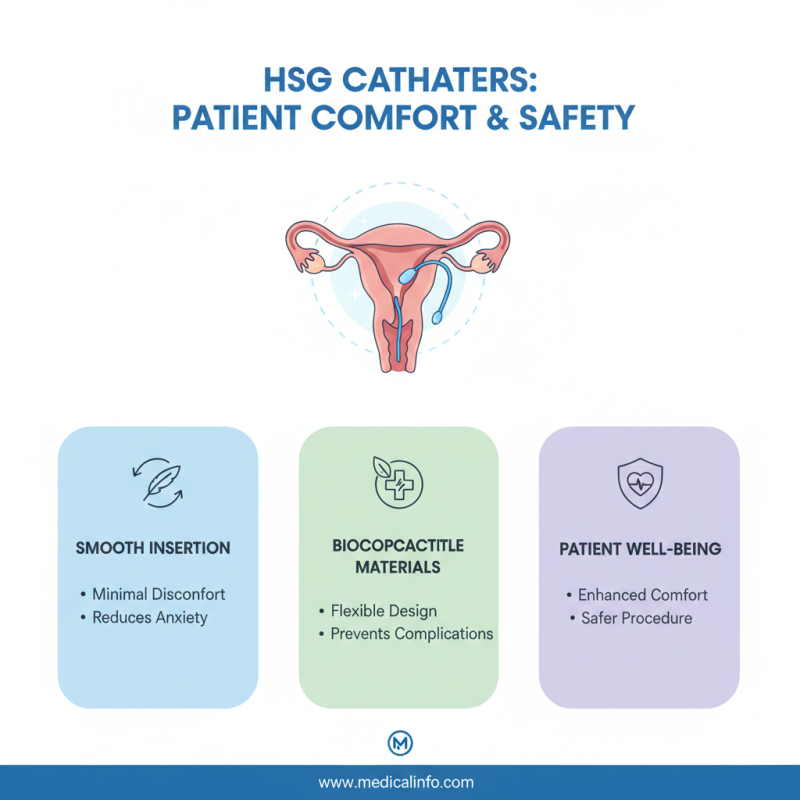
Hysterosalpingography (HSG) catheters are essential for various medical procedures. These catheters help doctors visualize the uterine cavity and fallopian tubes. Choosing the right type is crucial for effective results. Understanding the different types and their applications can make a significant difference.
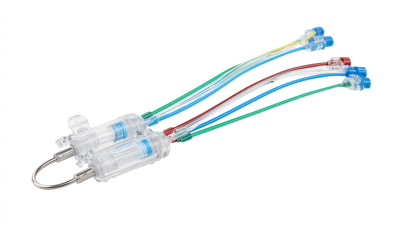
There are several types of HSG catheters available. Some are straight, while others are more flexible. The straight catheters are good for easy access. However, they may not be suitable for all patients. Flexible catheters can navigate complex anatomy better. It's important to assess the patient’s condition before deciding. Each type has its own pros and cons, which should not be overlooked.
When selecting HSG catheters, consider these tips.
- Evaluate the patient's history and any past procedures.
- Communicate clearly with the patient about their comfort.
- Always check the catheter size and compatibility with imaging equipment.
It’s easy to overlook small details, but they matter. A
well-chosen catheter can lead to more accurate results. Ultimately, understanding your options enhances patient care and outcomes.
Key Features to Consider When Selecting HSG Catheters
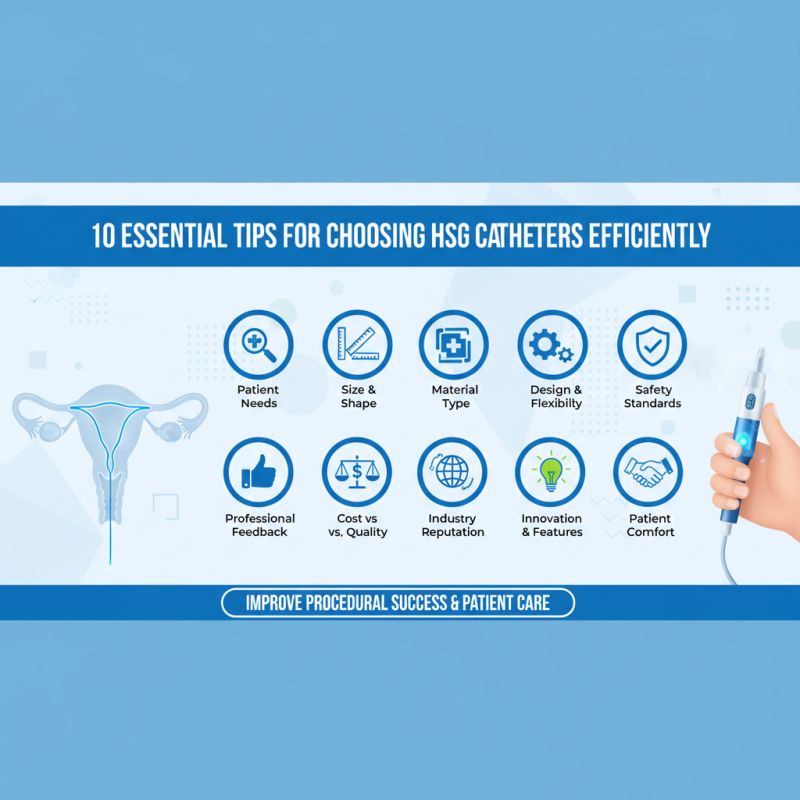
When selecting HSG catheters, several key features should be prioritized to ensure efficiency and effectiveness. The catheter's material is crucial. Opt for flexible materials that can navigate the anatomy without causing discomfort. Consider the size of the catheter as well. It should be compatible with the anatomy it will enter. If the diameter is too large, it may cause complications.
Another important feature is the tip design. A rounded or tapered tip can facilitate easier passage through tight areas. A smooth surface is essential to reduce the risk of trauma. Pay attention to the length of the catheter as well. Some procedures may require longer catheters, while others may not. Having the right length can greatly impact your results.
When choosing a catheter, consider how easy it is to use. A design that allows clear visibility during the procedure can make a difference. Check the attachment points for any devices. If they are difficult to use, this can slow down the process and impact performance. Reflect on past experiences with different designs to inform your choice. Ultimately, being thoughtful about these features can improve your workflow.
10 Essential Tips for Choosing HSG Catheters Efficiently
Evaluating Compatibility with Imaging Equipment for HSG Procedures
When choosing HSG catheters, compatibility with imaging equipment is crucial. Many healthcare facilities rely on fluoroscopy for these procedures. A recent industry report indicated that up to 70% of imaging complications are linked to catheter incompatibility. This highlights the need to evaluate catheters that are compatible with your existing imaging systems.
Consider the dimensions and materials of the catheters. The inner diameter can impact flow rates and contrast distribution. A too-small diameter can lead to limited visibility during imaging. Moreover, different materials interact variably with contrast agents. For instance, some polymers may degrade or cause artifacts. It is essential to review technical specifications thoroughly. Relying on anecdotal experiences can lead to missteps in catheter selection.
Another aspect to ponder is the catheter's flexibility and ease of use. A rigid catheter can make insertion difficult and increase patient discomfort. Yet, flexibility can sometimes compromise the precision of the imaging procedure. Finding a balance between user-friendliness and performance is key. Some facilities have reported mixed outcomes when switching to overly flexible options that lack stability. Engaging with technologists and radiologists can provide practical insights into these nuances.
Cost-Effectiveness: Balancing Quality and Budget for HSG Catheters
When selecting HSG catheters, cost-effectiveness is crucial. A study by the Medical Device Innovation Consortium highlights that healthcare providers often overlook budget constraints. Many opt for high-end options without evaluating their true value. Catheters vary widely in price, ranging from $50 to over $300. This price gap raises questions about the correlation between cost and performance.
Assessing quality alongside price is essential. Reports indicate that cheaper catheters may compromise performance, leading to increased procedural complications. For instance, a 2022 review in the Journal of Radiology pointed out a 15% higher complication rate with low-cost alternatives. Balancing quality and budget is not just a matter of finance but also patient safety. A thorough evaluation of features and performance metrics can yield more informed decisions.
Many practitioners admit to feeling pressured to choose lower-cost options due to institutional budget cuts. However, this compromise can result in unforeseen costs associated with complications. A careful reflection on the long-term implications of these choices is necessary. Understanding that a higher initial investment might lead to better patient outcomes is vital. Being mindful of budget does not mean sacrificing quality.
10 Essential Tips for Choosing HSG Catheters Efficiently
| Tip |
Consideration |
Importance Level |
Estimated Cost |
| 1. Assess Patient Needs |
Understand specific requirements |
High |
$50 |
| 2. Evaluate Material Quality |
Choose biocompatible materials |
High |
$75 |
| 3. Check Sterilization Standards |
Ensure compliant with safety regulations |
Medium |
$10 |
| 4. Consider Length and Size |
Choose appropriate dimensions for patients |
High |
$60 |
| 5. Review Compatibility with Equipment |
Ensure catheter works with imaging systems |
Medium |
$20 |
| 6. Analyze Previous Performance Data |
Look at historical usage outcomes |
High |
$0 |
| 7. Seek Recommendations and Reviews |
Consult peers and online forums |
Medium |
$0 |
| 8. Check for Allergens |
Identify potential allergic reactions |
High |
$10 |
| 9. Assess Shipping and Handling Costs |
Include delivery charges in the budget |
Medium |
$15 |
| 10. Compare Pricing from Multiple Suppliers |
Take time to evaluate different options |
High |
$0 |