
What is IVC Removal and How Does it Work?
IVC removal is a medical procedure designed to address specific health issues. This technique involves the extraction of the inferior vena cava filter, a device placed in the large vein to prevent blood clots. Patients may experience anxiety when considering IVC removal, often wondering about the potential benefits and risks.
During the procedure, healthcare professionals carefully evaluate the need for removal. There are cases where the filter could cause complications, leading to the decision to proceed with IVC removal. It's crucial to understand that the process requires skilled expertise. Not all cases are straightforward, and challenges may arise.
In recent years, awareness surrounding IVC removal has grown. Patients are encouraged to engage in discussions with their healthcare providers. They should voice concerns, ask questions, and reflect on their own health journey. While the procedure offers relief for many, it also invites personal introspection about treatment choices and their implications.
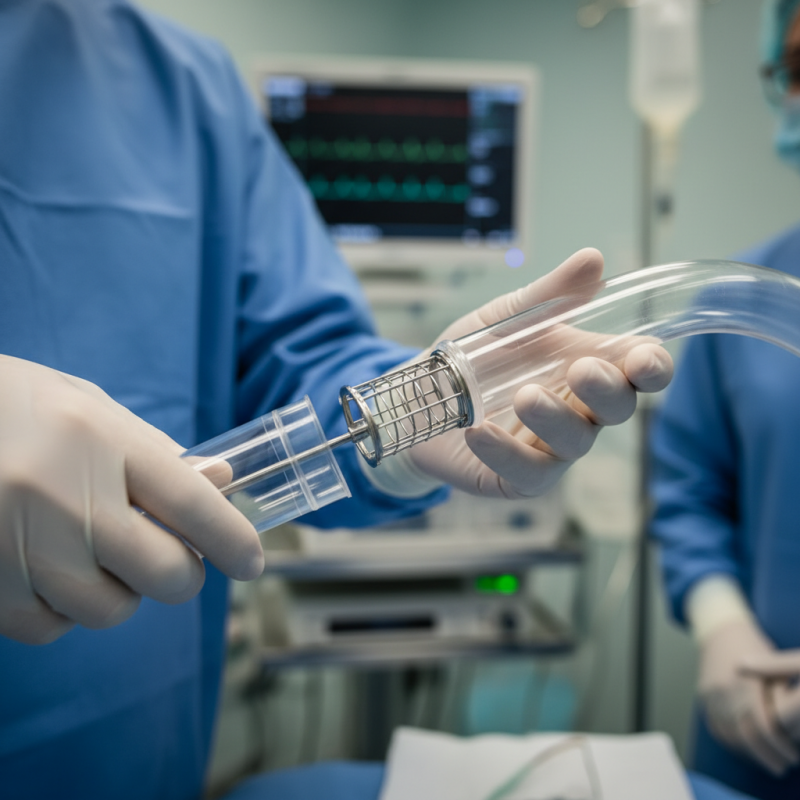
What is IVC Removal?
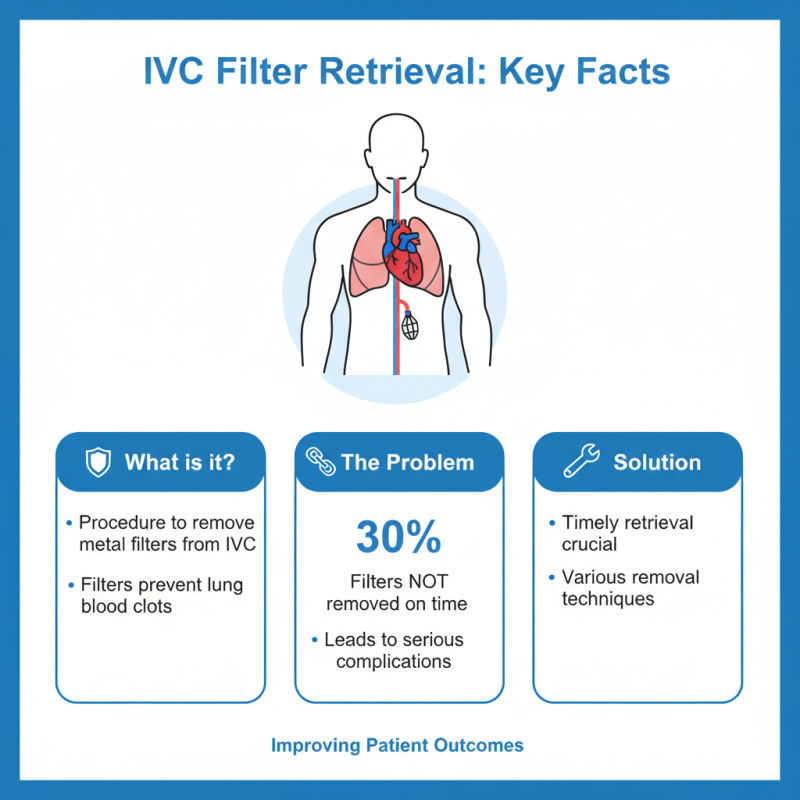
IVC removal refers to the procedure used to eliminate inferior vena cava (IVC) filters from patients. These filters are often implanted to prevent blood clots from traveling to the lungs. Reports indicate that about 30% of IVC filters are not retrieved in a timely manner, leading to complications. This highlights the need for effective removal strategies.
The removal process typically involves imaging studies to locate the filter. Once found, clinicians use specialized tools to extract it. Data from recent studies show that the average retrieval rate is around 75%. However, many filters remain in place for extended periods, increasing the chance of migration or perforation. Such risks necessitate regular monitoring.
Some challenges persist in IVC removal. Not all filters can be safely retrieved. Adverse outcomes occur in about 2-5% of procedures. These factors emphasize the importance of patient selection and careful planning. Continuous evaluation of filter performance is crucial. This can help reduce risks and improve outcomes for patients requiring IVC filter placement and subsequent removal.
Indications for IVC Removal Procedures
IVC removal is an important medical procedure. It involves removing a filter placed in the inferior vena cava (IVC). This filter is used to prevent blood clots from traveling to the lungs. However, there are specific situations that may warrant its removal.
Indications for IVC removal include patients with a history of clotting that has resolved. If a patient experiences complications from the filter, removal may be necessary. It's also considered when the risk of clot formation is reduced. For example, after surgery or during treatment of the underlying medical condition, the filter may no longer be needed.
In some cases, the presence of a filter could lead to complications. These might include dislodgement or obstruction. It's crucial to assess the risks involved. Some patients may have concerns about the procedure itself. They might worry about the recovery process or the potential for additional complications. It’s essential to communicate openly with healthcare providers about these thoughts. Each case must be evaluated individually.
IVC Removal Techniques and Methods
IVC removal, or inferior vena cava removal, involves techniques designed to eliminate obstruction or dysfunction in the vein. This procedure is critical for patients at risk of blood clots. The removal can prevent serious complications, including pulmonary embolism. Doctors typically assess the condition of the vein before proceeding.
One common technique is percutaneous removal. It often requires minimal incisions, making recovery quicker. Surgeons may use advanced imaging to guide the procedure. Another method involves open surgery, which is more invasive. This method can be more effective in complex cases but does come with higher risks.
Recovery varies based on the method used. Patients may experience swelling or discomfort afterward. Monitoring is essential to ensure no complications arise. Each individual's needs are different, and not everyone will benefit equally from these techniques. Careful consideration should be given to the risks and benefits.
IVC Removal Techniques Comparison
This chart illustrates the success rates of various IVC removal techniques. The data shows that surgical removal has the highest success rate compared to catheter retrieval, endovenous laser treatment, and ultrasound-guided removal.
Potential Risks and Complications of IVC Removal
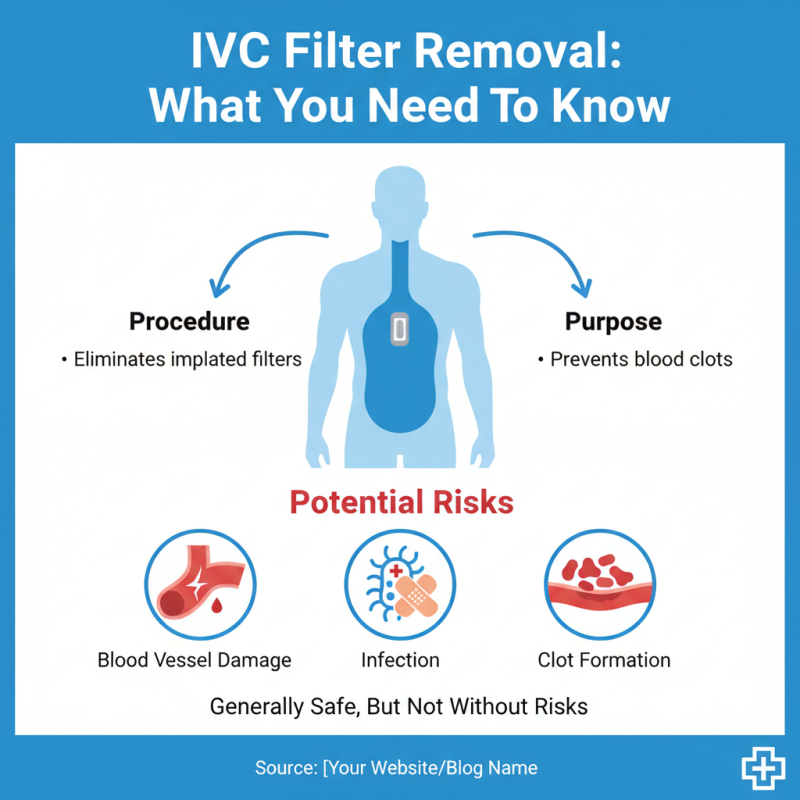
IVC removal, or inferior vena cava removal, is a procedure performed to eliminate filters implanted to prevent blood clots. While generally safe, it carries certain risks and complications. These potential issues can entail blood vessel damage, infection, or even clot formation if not handled with care.
During the removal process, surgeons must navigate through delicate tissues. Accidental damage to surrounding structures can occur. This might result in bleeding or require additional interventions. Infections, while infrequent, pose serious threats. Patients must stay vigilant for signs of redness, swelling, or increased pain at the incision site.
Clot formation is another legitimate concern. If a filter has been in place too long, clots can develop around it. The removal procedure could dislodge these clots, potentially causing a pulmonary embolism. This risk is significant and demands thorough evaluation before proceeding. Each case is unique, and decisions should be made with careful consideration of individual circumstances.
Post-Procedure Care and Recovery After IVC Removal
Post-procedure care after IVC removal is crucial for optimal recovery. Patients might experience discomfort or swelling around the incision site. It’s essential to keep the area clean and dry to prevent infection. According to industry data, about 5% of patients develop complications post-surgery. Monitoring for signs of infection or unusual pain is vital.
Initial recovery often involves limited physical activity. Walking is encouraged to improve circulation, but strenuous exercises should be avoided initially. Reports suggest that about 70% of patients return to normal activities within two weeks. Follow-up appointments will help assess healing and address any concerns.
Listening to the body during recovery can guide safe return to daily routines. Pain management is another critical aspect. Physicians usually recommend over-the-counter medications. However, some patients may require stronger prescriptions. The variability in pain perception means that what works for one person may not work for another. Regular check-ins with healthcare providers can refine pain management strategies and improve overall recovery experiences.
Related Posts
-
How to Safely Remove IVC Filters and What You Need to Know
-
10 Essential Tips for Effective IVC Removal You Need to Know
-
2025 Top Bone Biopsy Needle Techniques for Effective Diagnosis and Treatment
-
10 Best Bone Marrow Needle Options for Efficient Biopsy Procedure?
-
Essential Guide to Arrow Arterial Line Kits: What You Need to Know in 2025
-
10 Essential Tips for Choosing HSG Catheters Efficiently?