What is a Three Way Stopcock and Its Applications in Industry?
The three way stopcock is a crucial component in various industries. Its design allows for the control of fluid flow in multiple directions. According to a report by Smithers Pira, the global market for fluid control devices, including stopcocks, is expected to grow significantly. This growth highlights the increasing demand for efficient fluid management in healthcare, chemicals, and manufacturing.
In the healthcare sector, the three way stopcock plays an essential role in intravenous therapy and anesthesia. Its ability to switch flow paths minimizes the risk of contamination and improves patient safety. A study from the Journal of Medical Devices emphasizes the importance of precision and reliability in medical applications. In less controlled environments, improper use or design flaws can lead to operational failures and patient harm.
Despite their advantages, the use of three way stopcocks raises concerns regarding reliability. Instances of leakage or malfunction can jeopardize patient care. Continuous improvement in design and materials is necessary to mitigate these risks. Industry standards are evolving to ensure that these devices meet stringent requirements for safety and effectiveness. As industries strive for innovation, the role of the three way stopcock remains pivotal.
Definition and Functionality of a Three Way Stopcock
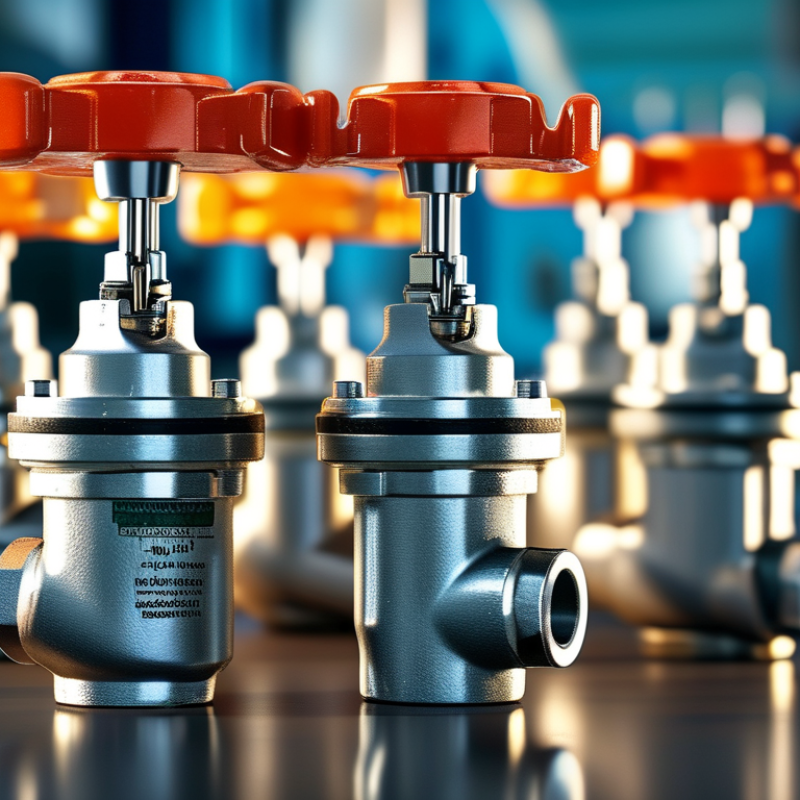
A three-way stopcock is a crucial component in various industrial applications. Essentially, it is a valve that controls the flow of fluids through three separate channels. This functionality makes it invaluable in laboratories and manufacturing processes. By manipulating the handle, users can direct the flow toward one of the three outlets. This flexibility enhances operational efficiency and precision in fluid management.
The design of a three-way stopcock allows for a variety of configurations. It can enable mixing of two different fluids, or redirect flow without having to disconnect tubes. In pharmaceuticals, this means maintaining sterile conditions while managing different chemical solutions. However, improper handling or inconsistent maintenance can lead to leaks or contamination. Regular inspections and careful usage are essential for reliability.
In many settings, the three-way stopcock may seem simple, yet it demands expertise. Technicians must understand fluid dynamics to optimize its use. Even experienced professionals can make mistakes if they overlook specific parameters. This highlights the importance of ongoing training to ensure safety and efficiency in operations.
Components and Design of a Three Way Stopcock
A three-way stopcock is a critical component in various industrial applications, particularly in fluid handling systems. Its design usually includes a central body with three ports, allowing for multiple pathways for fluids. This configuration is vital in laboratories and industries that require precise control over fluid flow. According to recent industry reports, the global market for stopcocks is projected to grow by 4.5% annually, driven by increasing demands in pharmaceutical and chemical sectors.
The primary components of a three-way stopcock include the valve body, a rotating handle, and sealing elements. Each part must withstand specific pressures and temperatures, making material selection essential. Most designs use durable materials, such as PTFE and stainless steel, to ensure longevity. However, achieving a perfect seal can be challenging. Minor imperfections in the manufacturing process can lead to leaks. Industries often need to balance cost and quality, which can result in a trade-off between durability and performance.
Maintenance is another critical aspect of utilizing three-way stopcocks. Regular inspections ensure functionality and identify wear. According to maintenance reports, approximately 25% of stopcocks require replacement due to seal degradation. This indicates an area where improvements can be made in both design and materials. Engineers are continually exploring advanced sealing techniques, but results vary. The pursuit of reliability remains ongoing, highlighting the need for continuous innovation in this field.
Applications in Medical and Laboratory Settings
A three-way stopcock is a vital component in medical and laboratory settings. It allows precise control over the flow of fluids. This device features three ports, enabling the connection of multiple lines. Users can switch the flow direction, facilitating various procedures.
In hospitals, three-way stopcocks are used to manage IV fluids. They provide flexibility during treatment, helping healthcare professionals administer medication efficiently.
In laboratories, these stopcocks are crucial for handling chemical experiments. They enable researchers to mix reagents safely without cross-contamination.
Despite their importance, improper use can lead to complications. For example, incorrect alignment can cause backflow. This risk highlights the need for thorough training. Ensuring staff are well-versed in using these devices is essential for patient safety. Continuous education can minimize errors and improve outcomes in both medical and lab environments.
Industrial Uses of Three Way Stopcocks in Fluid Management
Three-way stopcocks play a crucial role in fluid management across various industries. These valves allow for the control and direction of fluid flow in multiple systems. Their versatility makes them valuable in fields like pharmaceuticals, chemical processing, and oil and gas. According to a recent report by Grand View Research, the global market for industrial valves, including stopcocks, is expected to reach USD 90 billion by 2027. This surge is driven by growing demand for efficient fluid handling.
In pharmaceutical manufacturing, three-way stopcocks help ensure precise control of drug formulations. They enable the mixing of components while preventing contamination, a critical factor in maintaining product quality. Reports indicate that the industry faces challenges with leaks and inefficient flow management, highlighting the importance of reliable components like stopcocks. They can mitigate risks by allowing safe transitions between different fluid sources.
Tip: Regular maintenance of three-way stopcocks is essential for optimal performance. Inspect connections for wear and ensure seals are intact. This practice helps prevent unexpected failures.
In the oil and gas industry, these valves manage flows in complex systems. For example, they are vital in pipeline operations, directing crude oil or gas efficiently. However, improper installation can lead to significant safety hazards. Continuous training and updates on best practices are necessary for operators handling these devices. Access to updated data from credible sources helps ensure operational safety and reliability.
What is a Three Way Stopcock and Its Applications in Industry?
| Application Area |
Function |
Key Benefits |
| Pharmaceuticals |
Control the flow of liquids during mixing and dispensing |
Precision control, reduced contamination risk |
| Chemical Engineering |
Divert flow to different pathways or systems |
Versatile application, improved efficiency |
| Water Treatment |
Manage the distribution of water for treatment processes |
Enhances operational control, lowers treatment costs |
| Food and Beverage |
Facilitate the mixing of ingredients |
Ensures product consistency, food safety |
| Research Laboratories |
Control reagent flow in experiments |
Enhances precision in experiments, reduces waste |
Maintenance and Safety Considerations for Three Way Stopcocks
When considering three-way stopcocks, maintenance and safety are critical aspects.
Regular inspections are necessary for optimal performance. Studies show that improper handling can lead to leaks or malfunctions, impacting system integrity. According to industry reports, nearly 20% of equipment failures stem from inadequate maintenance, emphasizing the need for routine checks.
Moreover, safe operation relies on user training. Workers must understand the mechanics of three-way stopcocks to prevent accidents. A recent survey highlighted that about 30% of accidents in chemical processing stem from incorrect usage. Inadequate training increases risks. Proper training can decrease these incidents significantly.
Documentation plays a vital role. Keeping accurate records of maintenance and incidents aids in identifying patterns. Reports indicate that organizations that maintain meticulous records report 25% fewer incidents. However, even with stringent protocols, human error remains an issue. Reflection on mistakes is crucial. Striving for improvement can enhance safety and reliability.