Essential Tips for Using a Urinary Drainage Bag Effectively?
Using a urinary drainage bag is crucial for patients unable to control urination. Reports indicate that over 15 million people in the U.S. use these devices daily. Effective use can significantly improve their quality of life. However, many users struggle with maintaining hygiene and comfort.
Proper techniques for managing urinary drainage bags can prevent infections. Studies show that about 80% of urinary tract infections (UTIs) are related to catheter use. Users must be educated on changing the bag regularly and ensuring sterile techniques. Despite these needs, many still face barriers in accessing reliable information.
It's essential to acknowledge that not all users receive adequate training. Sometimes, individuals don’t realize the importance of proper bag positioning or the role of hydration. Mistakes occur, leading to discomfort and health risks. Emphasizing user experience and ongoing education can foster better outcomes in urinary care management.

Understanding the Purpose and Types of Urinary Drainage Bags
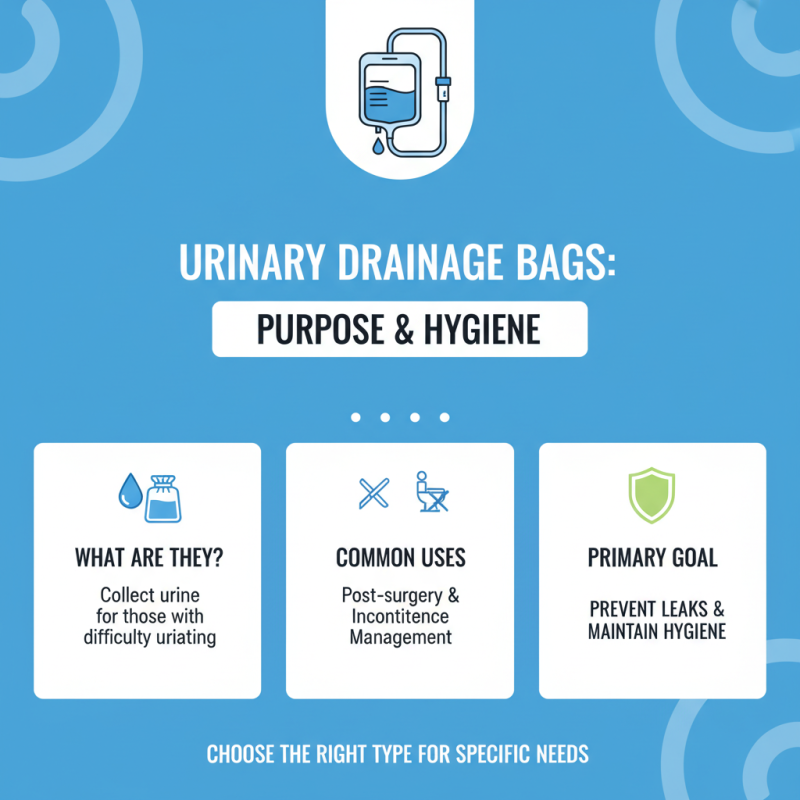
When it comes to urinary drainage bags, understanding their purpose is essential. These bags collect urine from individuals who may have difficulty with normal urination. They are often used post-surgery or in cases of incontinence. The main purpose is to prevent leaks and maintain hygiene. Knowing this helps in choosing the right type for specific needs.
There are several types of urinary drainage bags. The most common ones are leg bags and overnight drainage bags. Leg bags are smaller and can be worn discreetly under clothing. They allow for mobility during the day. Overnight bags hold more urine, designed for longer use. Some may take time to adjust to using these bags.
It’s crucial to attach and secure the bag correctly. A loose fit can lead to leaks, creating discomfort. Monitoring the bag for issues like blockages is important. Some may find it challenging to manage the system independently. This can lead to frustration and feelings of inadequacy. Open discussions about experiences and challenges can help improve confidence and effectiveness.
Choosing the Right Urinary Drainage Bag for Your Needs
Choosing the right urinary drainage bag is crucial for comfort and hygiene. There are many options available. Consider your specific needs before making a choice. For instance, there are day bags and night bags. Day bags are usually smaller. They are easier to conceal under clothing. Night bags often have a larger capacity. Think about your daily routine.
Material is another factor to consider. Some bags are made of latex, while others are made of silicone or PVC. Each material has its pros and cons. Latex can cause allergic reactions in some people. Silicone, on the other hand, is often more comfortable. Look for bags that are discreet yet functional.
Regularly check your chosen bag for leaks or issues. Remember, it may not always fit perfectly. Sometimes, adjustments are necessary. It’s a learning process. Keeping your skin clean and dry is essential. Failure to do so can lead to irritation. Reflect on what works and what doesn’t for you.
Step-by-Step Instructions for Properly Attaching a Urinary Drainage Bag
Attaching a urinary drainage bag may seem simple, but doing it correctly is crucial for comfort and hygiene. Start by washing your hands thoroughly with soap and water. Dry them with a clean towel. You’ll need all necessary supplies ready. This includes the drainage bag, clips, and any tubing.
Next, take your drainage bag and hold it securely. Look for the opening on the bag. Align it with your catheter. Don't rush this step; a misalignment can lead to leaks. Gently press the bag's opening onto the catheter. Make sure it's snug. A secure fit helps avoid embarrassing moments.
After connecting, check for any signs of leakage. If you notice any, reassess the connection. Make sure everything is tight. Sometimes, a small adjustment can make a big difference. Lastly, keep the drainage bag below the level of your bladder to prevent backflow. Keeping an eye on this can help prevent infections.
Remember, practice will improve your technique, so don’t feel discouraged if it takes time to get it right.
Best Practices for Maintaining Hygiene and Preventing Infections
Using a urinary drainage bag effectively requires attention to hygiene. Adequate hygiene practices help prevent infections. Research shows that up to 80% of urinary tract infections (UTIs) are associated with catheter use. Regularly changing the drainage bag is crucial. Experts recommend changing it every 5-7 days or sooner if it becomes damaged.
One tip is to wash hands thoroughly before handling the bag. Keeping the area around the catheter clean is vital. Use mild soap and water daily. Always pat the skin dry gently. Avoid using alcohol wipes, as they can irritate the skin. This simple step reduces the risk of introducing bacteria.
Additionally, ensure that the drainage bag remains below bladder level. This position prevents backflow and reduces infection risk. Secure the tubing to minimize movement, as excessive tugging may lead to leaks or disconnections. Embedding best practices into your routine can significantly lower the risk of complications. Reflect on these methods regularly to identify areas for improvement.
Usage Statistics of Urinary Drainage Bags: Best Practices for Hygiene Maintenance
Tips for Safe and Comfortable Removal and Disposal of the Bag
Removing and disposing of a urinary drainage bag can be challenging. Many patients face discomfort during this process. According to a study published in the Journal of Urology, around 30% of patients report anxiety related to bag changes. Understanding how to do this safely is crucial for comfort and hygiene.
Before removal, wash your hands thoroughly. Use warm, soapy water to minimize infection risks. The skin around the catheter should also be cleaned gently to avoid irritation. Once prepared, carefully detach the bag, allowing any residual urine to drain completely. Observing any unusual signs, like redness or swelling, is vital during this step. Patients should feel empowered to communicate with healthcare providers about any concerns.
Disposing of the bag requires caution. Many healthcare facilities recommend sealing the bag in a plastic bag before throwing it in the trash. Avoid leaving used bags in open areas to reduce potential contamination. An estimated 25-30% of infections in urinary catheter patients may be linked to improper disposal methods. This statistic highlights the importance of following best practices for safety and hygiene.