2025 Top Bone Biopsy Needle Techniques for Effective Diagnosis and Treatment

The advancement of medical technologies and techniques has significantly impacted the field of diagnostics, particularly in the realm of oncology. Bone biopsies have become an essential procedure for diagnosing malignant and benign bone lesions. In 2020, it was estimated that approximately 1.9 million new cancer cases would be diagnosed in the United States alone, with many of these requiring a thorough examination of bone integrity and pathology. The utilization of an efficient bone biopsy needle is crucial for obtaining high-quality samples that can lead to accurate diagnoses and effective treatment plans.

Emerging techniques and innovations in bone biopsy needle technology have demonstrated enhanced precision and minimal invasiveness, leading to improved patient outcomes. A report by the American Society of Clinical Oncology indicated that advancements in needle design and imaging guidance have not only increased the success rates of biopsies but also reduced complications, thereby revolutionizing patient care. As healthcare professionals seek to refine their approaches to bone lesion assessment, it becomes imperative to stay informed about the top techniques and tools available in 2025. This article endeavors to explore the leading bone biopsy needle techniques that are set to enhance diagnostic efficacy and therapeutic strategies in the field of musculoskeletal oncology.
2025 Top Bone Biopsy Needle Techniques for Effective Diagnosis and Treatment

Advancements in Bone Biopsy Needle Design and Technology by 2025

The advancements in bone biopsy needle design and technology by 2025 are set to revolutionize the field of diagnostic medicine. With the increasing prevalence of bone-related diseases, including malignancies and infections, the need for effective and precise diagnostic tools has never been more pressing. Innovations are focused on enhancing the precision of biopsies, minimizing patient discomfort, and improving recovery times.

New needle configurations, such as coaxial systems, are being developed to provide better access to difficult-to-reach lesions while ensuring the integrity of the sampled tissue.

In addition to physical design improvements, technological advancements are reshaping the landscape of bone biopsy procedures. Enhanced imaging techniques, such as real-time ultrasound and advanced CT imaging, are being integrated into biopsy protocols, allowing for more accurate needle placement and reducing the likelihood of complications. The development of robotic-assisted systems is also on the forefront, helping clinicians achieve greater precision in targeting specific areas of bone, thereby increasing the diagnostic yield and effectiveness of the procedure. As these technologies continue to evolve, they hold the promise of significantly enhancing our ability to diagnose and treat bone conditions effectively.
Comparative Analysis of Fine-Needle Aspiration vs. Core Needle Biopsy

In the realm of bone biopsy techniques, the choice between fine-needle aspiration (FNA) and core needle biopsy (CNB) plays a crucial role in effective diagnosis and treatment. Fine-needle aspiration offers a minimally invasive approach with a lower risk of complications and is particularly advantageous for sampling small lesions. healthcare providers often favor FNA when the goal is to obtain adequate cellular material for cytological analysis. This technique is commonly used in outpatient settings, allowing for quick procedures and minimal patient discomfort.

On the other hand, core needle biopsy provides a larger tissue sample, which is invaluable for histological evaluation. It is particularly useful when a more comprehensive analysis is required, such as assessing the architecture of the bone or determining the presence of specific pathologies. CNB's ability to procure a more substantial specimen can aid in obtaining a definitive diagnosis, especially in complex cases where malignancies or other intricate conditions are suspected. The choice between FNA and CNB ultimately depends on the clinical scenario, the characteristics of the lesion, and the specific diagnostic needs.

2025 Top Bone Biopsy Needle Techniques: Fine-Needle Aspiration vs. Core Needle Biopsy

This chart compares the effectiveness of Fine-Needle Aspiration (FNA) and Core Needle Biopsy (CNB) techniques based on diagnostic accuracy and complication rates.

Optimal Techniques for Bone Biopsy in Different Types of Bone Lesions

Bone biopsy is a critical procedure for diagnosing various bone lesions, and the choice of technique can greatly influence the accuracy of the diagnosis and the effectiveness of subsequent treatment. Each type of bone lesion may require specific approaches tailored to its unique characteristics. For instance, in cases of suspected malignant lesions, a percutaneous needle biopsy utilizing imaging guidance can provide precise, targeted sampling, minimizing tissue trauma and recovery time for the patient. This method is particularly effective for lesions located in deep or hard-to-reach areas, where open biopsy may pose additional risks or complications.

In contrast, benign bone lesions may be approached with less invasive techniques, such as aspiration biopsy or trephine biopsy. These methods not only enhance patient comfort but also reduce the associated risks of infection and bleeding. The choice between these techniques often depends on factors such as the size, location, and nature of the lesion, as well as the overall health of the patient. Understanding these differences is essential for clinicians to optimize their approach, ensuring that biopsies lead to accurate diagnoses and effective treatment plans tailored to each patient's needs.

Effectiveness and Safety Metrics of Various Biopsy Techniques in 2025

2025 Top Bone Biopsy Needle Techniques for Effective Diagnosis and Treatment

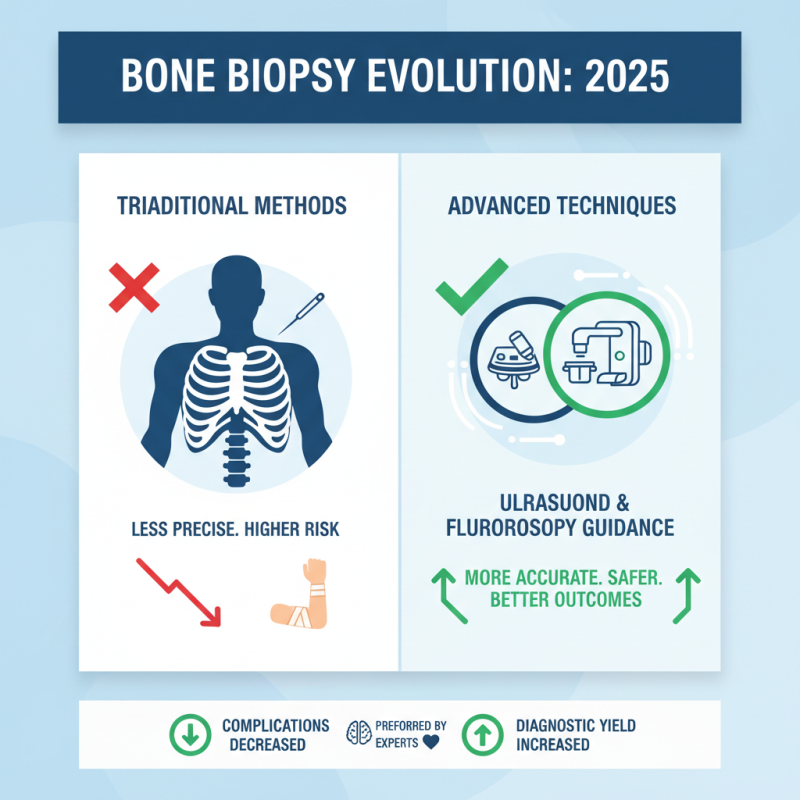
In 2025, the landscape of bone biopsy techniques has evolved significantly, prioritizing effectiveness and safety metrics alongside patient outcomes. Advanced imaging technologies, such as ultrasound and fluoroscopy, are now instrumental in guiding needle placement with unparalleled precision. This not only enhances the accuracy of tissue sampling but also minimizes the risks associated with traditional methods. Studies indicate that these techniques boast a decrease in complications and an increase in diagnostic yield, making them a preferred choice among healthcare professionals.

When considering a bone biopsy, it's crucial to understand the nuances of various techniques. For instance, using a coaxial system can enhance tissue collection while reducing the number of needle insertions, thereby decreasing patient discomfort and recovery time. Additionally, incorporating real-time imaging can help in identifying structures around the biopsy site, ultimately ensuring a safer procedure.

Tips: Always discuss with your healthcare provider about the best biopsy technique tailored for your specific condition. Being informed about the risks and benefits of each approach can empower patients to make better choices. Furthermore, inquire about the experience of the medical team performing the biopsy; expertise plays a critical role in maximizing safety and effectiveness during the procedure.

Guidelines for Post-Biopsy Care and Management of Complications

2025 Top Bone Biopsy Needle Techniques for Effective Diagnosis and Treatment

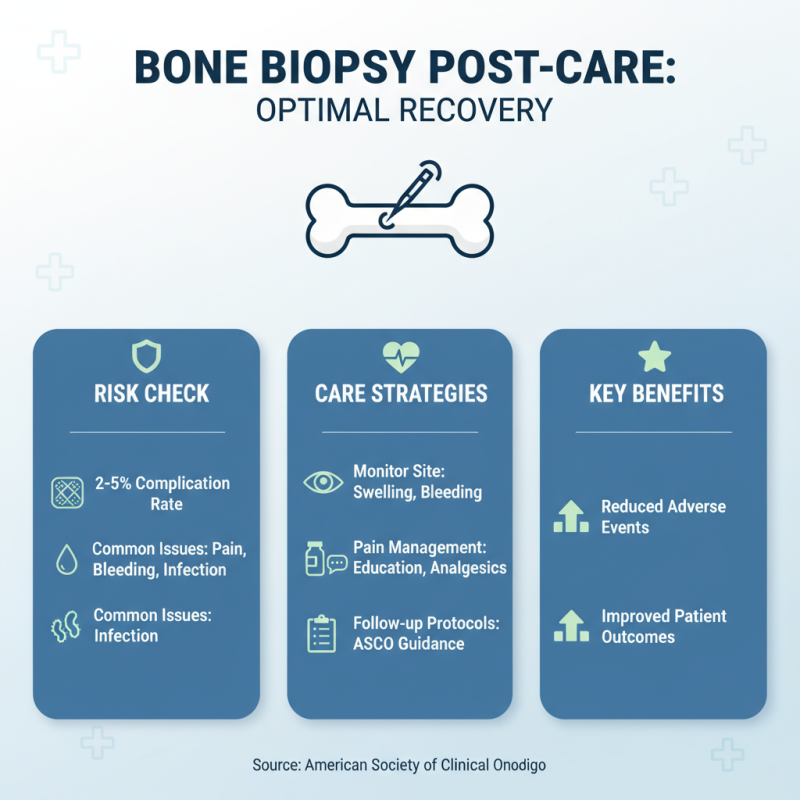
Post-biopsy care is crucial in ensuring optimal recovery and minimizing complications following bone biopsy procedures. Research indicates that complications arise in approximately 2% to 5% of patients undergoing these procedures, with pain, bleeding, and infection being the most common issues reported. Effective management strategies post-biopsy include vigilant monitoring of the biopsy site for signs of excessive swelling or bleeding, educating patients about pain management techniques, and prescribing appropriate analgesics when necessary. According to the American Society of Clinical Oncology, the implementation of structured follow-up protocols significantly reduces the incidence of adverse events and improves patient outcomes.

Another essential aspect of post-biopsy care is infection prevention. As published by the Centers for Disease Control and Prevention, maintaining strict aseptic techniques during the procedure and ensuring that the patient adheres to care instructions at home are pivotal in preventing postoperative infections. Patients should be advised to keep the biopsy site clean and dry, and to report any unusual symptoms such as fever, increased redness, or discharge. Furthermore, encouraging patients to avoid strenuous activities for a brief recovery period can aid in the healing process. In the realm of bone biopsy techniques, adhering to these guidelines can significantly enhance the effectiveness of diagnosis and treatment while ensuring patient safety and comfort.