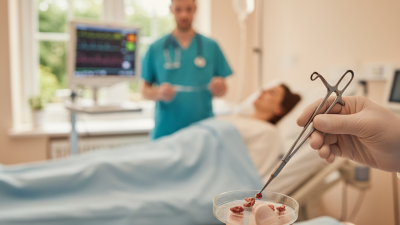
Top Uses of HSG Catheters in Medical Imaging and Diagnosis?
HSG catheters play a crucial role in medical imaging and diagnosis, particularly in evaluating reproductive health. These specialized tools facilitate hysterosalpingography, a procedure used to assess the uterus and fallopian tubes. Clinicians rely on HSG catheters for accurate imaging, providing valuable insights into potential issues such as blockages or abnormalities.
The use of HSG catheters requires skilled professionals to ensure safety and effectiveness. Proper insertion techniques are essential to minimize patient discomfort and improve image quality. Healthcare providers must maintain a balance between technical proficiency and patient care.
Despite their benefits, challenges in HSG catheter usage exist. Some patients may experience anxiety or discomfort during the procedure. Therefore, understanding these moments is vital. Building a trusting relationship can help alleviate concerns. Effective communication about the procedure enhances patient experience, ultimately leading to better diagnostic outcomes.
Understanding HSG Catheters and Their Role in Medical Imaging
HSG catheters, or hysterosalpingography catheters, are vital tools in medical imaging. They are primarily used for assessing the shape of the uterine cavity and the patency of the fallopian tubes. This technique is crucial for diagnosing infertility issues. By injecting contrast dye through the catheter, physicians can visualize the reproductive system clearly on X-ray images. This detailed view aids in identifying any abnormalities, blockages, or structural issues.
Tips: Always ensure proper training before handling HSG catheters. Inadequate knowledge can lead to complications. Familiarity with the patient's medical history is essential. This knowledge can guide the procedure effectively.
Improper use of HSG catheters can result in discomfort for the patient. Some may experience cramping during the procedure. It’s important for medical professionals to communicate what to expect. Awareness can ease anxiety and improve cooperation. Adjusting techniques based on individual needs is necessary for optimal outcomes.
Tips: Regularly review and update procedures based on the latest research. Staying informed enhances accuracy and safety. Always gather feedback from patients to improve your approach.
Common Applications of HSG Catheters in Diagnostic Procedures
Hysterosalpingography (HSG) catheters play a pivotal role in medical imaging. They are particularly valuable in evaluating female infertility. According to the American College of Radiology, HSG is an essential procedure for assessing the patency of fallopian tubes. This treatment can reveal blockage or scarring, which may impact conception. In fact, studies indicate that over 30% of infertility cases stem from tubal factors.
A common application of HSG catheters involves diagnosing uterine abnormalities. These include polyps, fibroids, and congenital anomalies. During the procedure, contrast media is injected through the catheter. This enhances visualization during X-ray imaging. The results can significantly influence patient management. However, there are risks associated with the procedure, such as infection and discomfort, which need consideration.
Despite their effectiveness, HSG results can sometimes be inconclusive. False positives or negatives may occur, leading to further diagnostic tests. The reliance on HSG catheters highlights the need for continuous evaluation of their accuracy and effectiveness. As the field of medical imaging evolves, incorporating new technologies may enhance diagnosis and patient outcomes.
Benefits of Using HSG Catheters for Uterine Evaluation
Hysterosalpingography (HSG) catheters play a crucial role in uterine evaluation. These tools help visualize the uterine cavity and fallopian tubes. According to the American College of Obstetricians and Gynecologists, about 10-15% of couples face infertility due to anatomical issues. HSG catheters can identify blockages or irregularities in the reproductive system.
The use of HSG catheters offers several benefits. One significant advantage is the ability to assess both the uterus and tubal patency in a single procedure. Studies suggest that up to 30% of women with unexplained infertility may have conditions that HSG can reveal. Moreover, HSG procedures can also have therapeutic effects. The infusion of contrast media may clear minor blockages, enhancing fertility chances. However, there are risks, such as discomfort or infection, that practitioners must consider.
Reliability in diagnosis is key. Clinicians rely on accurate imaging for planning treatment. Research shows that HSG can significantly improve pregnancy rates, with some studies reporting success rates as high as 40% after the procedure. Nevertheless, it is essential to approach HSG findings critically. Not all abnormalities will result in infertility, and further investigation may be necessary. This underscores the need for thorough discussions with healthcare providers.
Limitations and Risks Associated with HSG Catheter Use
Hysterosalpingography (HSG) catheters play a vital role in reproductive health assessments. However, their use is not without risks. Potential complications include discomfort during the procedure, which may lead some patients to feel anxious. The pressure from dye injection can cause cramping, making the experience uncomfortable.
Infections are another concern associated with HSG catheter use. If the equipment is not sterile, it can introduce bacteria into the uterus, leading to pelvic inflammatory disease. It’s essential for healthcare providers to follow strict hygiene protocols to minimize these risks. There's also a possibility of allergic reactions to the contrast dye used during the procedure, which can vary based on individual patient sensitivities.
While HSG catheters are effective diagnostic tools, their limitations should not be overlooked. In some cases, they may yield inconclusive results, pushing patients toward more invasive procedures. The emotional toll of uncertainty can be challenging for individuals undergoing fertility evaluations. Understanding these risks helps in making informed decisions about reproductive health assessments.
Future Developments in HSG Catheter Technology for Enhanced Imaging
The future of HSG catheter technology promises significant advancements for enhanced imaging and diagnosis. Recent reports reveal a growing demand for minimally invasive procedures. HSG catheters are crucial in detecting conditions such as infertility. Improved designs focus on patient comfort and diagnostic accuracy.
Innovations in materials and technology are on the horizon. New biocompatible materials enhance safety and reduce allergic reactions. Studies show that advanced imaging techniques can increase diagnostic precision by up to 30%. These improvements are critical as populations age, increasing the need for effective imaging solutions.
However, challenges remain. The healthcare sector must address the costs associated with developing these advanced catheters. There is also a need for training professionals to maximize the benefits of new technology. Continuous feedback loops from healthcare providers can bridge the gap. Adapting these products will be essential for maximizing their impact in medical imaging.
Top Uses of HSG Catheters in Medical Imaging and Diagnosis
| Application |
Description |
Benefits |
Current Trends |
| Hysterosalpingography |
Imaging of the uterus and fallopian tubes for infertility assessments. |
Minimally invasive, quick results, and assists in diagnosis of blockages. |
Increasing use of 3D imaging for enhanced visualization. |
| Guided Biopsy |
Use of HSG catheters for localized tissue sampling. |
Higher accuracy in tumor detection with lower complication rates. |
Adoption of radiological navigation technologies. |
| Contrast Studies |
Evaluation of vascular structures and blood flow. |
Enhances visibility of blood vessels and potential abnormalities. |
Integration of advanced imaging agents for better clarity. |
| Cholangiography |
Imaging of bile ducts to diagnose obstructions or stones. |
Non-invasive option that provides critical information before surgery. |
Utilization of newer contrast agents to improve safety and efficacy. |
Future Developments in HSG Catheter Technology for Enhanced Imaging
| Innovation |
Description |
Expected Impact |
| Smart Catheters |
Catheters with integrated sensors for real-time feedback. |
Enhanced accuracy in positioning and reduced procedural risks. |
| Eco-Friendly Materials |
Development of biodegradable catheter materials. |
Addressing environmental impact of medical waste. |
| AI Integration |
Use of artificial intelligence for imaging analysis. |
Faster diagnoses and improved patient outcomes. |
| Telemedicine Applications |
Remote imaging procedures for increased accessibility. |
Wider access to specialist care and reduced logistics issues. |