Essential Tips for Understanding Heart Biopsy and What to Expect
Understanding the intricacies of a biopsy heart procedure is crucial for patients and their families as it plays a vital role in diagnosing various heart conditions. Heart biopsy, though a relatively straightforward procedure, can be a source of anxiety and confusion for those unfamiliar with the process. This introductory guide aims to demystify the heart biopsy procedure, outlining what patients can expect before, during, and after the surgery.
The heart biopsy involves the extraction of tissue samples from the heart muscle, which are then examined for signs of disease, such as inflammation, infection, or rejection in transplant patients. Patients often wonder about the reasons for the procedure, its risks, and the potential outcomes. Understanding these aspects can alleviate fears and help individuals make informed decisions regarding their heart health. This article will provide essential tips for navigating the biopsy process, empowering readers with knowledge and clarity about what lies ahead.

Understanding the Purpose and Indications of Heart Biopsy Procedures
Heart biopsy is a crucial medical procedure that helps doctors assess the health of the heart muscle and identify various conditions affecting cardiac function. The primary purpose of a heart biopsy is to diagnose issues such as myocarditis, heart transplant rejection, or infiltrative diseases like amyloidosis. By obtaining a small tissue sample from the heart, physicians can conduct laboratory analyses to understand the underlying problems and tailor appropriate treatment plans.
When considering a heart biopsy, it's essential to be prepared and informed.
Tip 1: Discuss the indications for the biopsy with your healthcare provider to understand why it's necessary. Common reasons include unexplained heart failure symptoms, chest pain, or abnormal heart imaging results.
Tip 2: Be aware of the procedure itself. A heart biopsy is often performed using a thin, flexible tube called a catheter, which is inserted through a blood vessel to reach the heart. Understanding the process can help alleviate any anxiety you might have.
After the procedure, patients should follow their doctor's instructions regarding recovery and monitoring.
Tip 3: Keep an eye on any potential symptoms post-biopsy, such as unusual pain or swelling at the site of the catheter insertion. Reporting any concerning symptoms promptly can aid in the early detection of complications, ensuring a smoother recovery and better outcomes.
Key Techniques and Methods Used in Heart Biopsy: An Overview
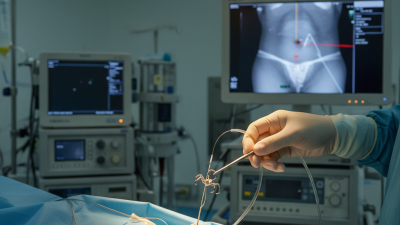
Heart biopsy is a critical procedure used to diagnose various cardiac conditions, and understanding the key techniques and methods employed can help demystify the process. One common approach is the endomyocardial biopsy, which involves inserting a thin, flexible catheter into the heart via a blood vessel. This technique allows for the collection of tissue samples directly from the heart muscle, providing valuable information regarding inflammation, infection, or rejection in transplant patients. The procedure is typically guided by imaging technologies such as echocardiography or fluoroscopy to ensure precision and safety.
Another technique utilized in heart biopsies is the pericardial biopsy, which focuses on obtaining samples from the pericardial sac surrounding the heart. This method may be indicated in cases of suspected pericarditis or other pericardial conditions. It can be performed through a surgical approach or with the assistance of imaging, depending on the patient's needs and the specific condition being evaluated. Overall, both techniques are crucial in pinpointing the underlying causes of heart ailments, leading to more tailored and effective treatment plans for patients. By familiarizing themselves with these methods, patients can better prepare for what to expect during a heart biopsy.
Essential Tips for Understanding Heart Biopsy
This chart illustrates the key techniques and methods used in heart biopsy procedures over a 5-year period, showcasing the popularity of different methods.
What to Expect Before and During Your Heart Biopsy: A Patient’s Guide
Undergoing a heart biopsy can feel overwhelming, yet understanding what to expect can significantly ease anxiety. Before the procedure, patients will typically have a pre-biopsy consultation, where healthcare professionals will discuss the reasons behind the biopsy, the procedure itself, and possible risks. According to the American College of Cardiology, around 60% of patients feel uncertain about what will occur, which can heighten stress. Preparing adequately through a detailed discussion with the medical team can provide clarity; patients are encouraged to ask questions regarding anesthesia, recovery, and post-procedure care.
During the biopsy, real-time imaging techniques, such as ultrasound or fluoroscopy, are used to guide the doctor in obtaining tissue samples from the heart. This minimally invasive procedure usually lasts between 30 minutes to an hour. The use of local anesthesia helps minimize discomfort, with studies indicating that 90% of patients report only mild discomfort during the process. Understanding this can help patients mentally prepare for the experience, knowing that they are in skilled hands, and that the risks associated, such as bleeding or infection, are relatively low—approximately 2% according to the latest cardiology research.
Post-Procedure Care and Common Side Effects of Heart Biopsy
After undergoing a heart biopsy, it is crucial to prioritize post-procedure care to ensure a smooth recovery. Patients should be monitored closely for any unusual symptoms, such as excessive bleeding, swelling at the biopsy site, or fever. These signs may indicate complications that need immediate medical attention. It is advisable to rest and avoid strenuous activities for at least a few days following the procedure, as this allows the body to heal effectively.
Common side effects of a heart biopsy can include mild chest pain, discomfort at the site where the biopsy was performed, and bruising. These effects typically subside within a few days but should be managed with over-the-counter pain relief as recommended by the healthcare provider. Patients may also experience anxiety as they await biopsy results; maintaining open communication with the medical team can help alleviate concerns and provide support during the recovery period.
Essential Tips for Understanding Heart Biopsy and What to Expect - Post-Procedure Care and Common Side Effects of Heart Biopsy
| Aspect |
Details |
| Procedure Duration |
Typically 30 to 60 minutes |
| Recovery Time |
1 to 2 hours in the recovery room |
| Common Side Effects |
Bruising, discomfort at the biopsy site, fatigue |
| Post-Procedure Care |
Rest, avoid strenuous activities for 48 hours, follow-up appointments |
| When to Contact a Doctor |
Severe pain, excessive bleeding, signs of infection |
| Pre-Procedure Preparation |
Fasting for 6-8 hours, stop blood thinners as advised |
Interpreting Heart Biopsy Results: What Do They Mean for Your Health?
Interpreting heart biopsy results can be a crucial step in understanding your cardiovascular health. A heart biopsy is often performed to gather tissue samples from the heart, allowing doctors to diagnose various conditions such as myocarditis, heart rejection following a transplant, or specific forms of cardiomyopathy. Once the tissue is analyzed, results can provide insight into the underlying issues affecting heart function. Positive results may indicate inflammation, infection, or disease processes that may require further intervention or treatment.
Understanding the implications of these results is essential for patients. Repeat biopsies might be necessary in some cases to monitor ongoing conditions or the effectiveness of treatment. Patients may also need to discuss their results with their healthcare provider to interpret what the findings mean for their individual health profile. Factors such as age, overall health, and presence of symptoms will influence the treatment options and lifestyle modifications that may be recommended. Knowledge of biopsy results empowers patients to participate actively in their treatment decisions and work collaboratively with their medical team for the best possible outcomes.