2026 How to Use HSG Catheters for Effective Imaging Techniques?
HSG catheters play a crucial role in imaging techniques, particularly in the field of gynecology. These catheters assist in performing hysterosalpingography, a method essential for evaluating female fertility issues. According to recent industry reports, around 15% of couples experience difficulty in conceiving, underscoring the importance of accurate imaging.
Effective use of HSG catheters can lead to better diagnostic outcomes. However, proper technique is key. Some studies reveal that improper catheter placement may lead to inaccurate results. This highlights the need for well-trained professionals in this area. Ongoing education is necessary to refine skills and improve patient outcomes.
Despite advancements, challenges remain in HSG imaging. Factors such as patient discomfort and varying anatomical structures can complicate procedures. It's essential to evaluate these aspects to enhance efficiency. Emphasizing patient-centered approaches will improve experiences and outcomes in fertility assessments. In the evolving landscape of reproductive health, HSG catheters continue to be vital tools, prompting a closer look at methods and training in their application.
Understanding HSG Catheters: Definition and Purpose
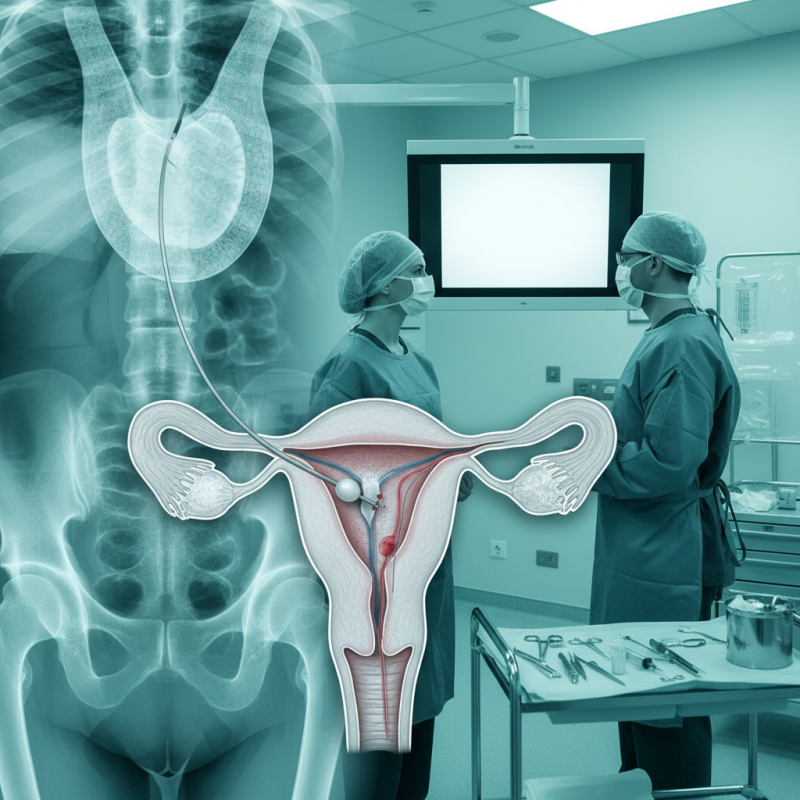
HSG catheters are essential tools in the field of medical imaging. They are specifically designed for hysterosalpingography, a process that examines the uterus and fallopian tubes. The primary purpose of HSG catheters is to ensure clear imaging and accurate diagnoses. They facilitate the introduction of a contrast material into the reproductive tract. This contrast material helps in highlighting abnormalities such as blockages or structural issues.
Understanding these catheters involves recognizing their design and functionality. Typically, they feature a soft, flexible tip for easy insertion. This flexibility reduces discomfort during the procedure. However, improper handling can lead to complications or inadequate imaging results. It is crucial to ensure the catheter is positioned correctly. If positioned incorrectly, it might not provide the intended clarity.
The technique involves navigating through potential challenges. Each patient's anatomy can vary significantly, affecting the success of the procedure. Therefore, medical professionals must adapt their approach based on each individual case. Developing a deeper understanding of HSG catheters can enhance imaging techniques. When used effectively, they improve diagnostic accuracy and patient outcomes. Yet, a lack of experience can lead to suboptimal results, necessitating ongoing education and training in their use.
HSG Catheters Usage for Effective Imaging Techniques
Types of HSG Catheters Used in Imaging Techniques
Hysterosalpingography (HSG) is crucial for evaluating female infertility. The type of HSG catheter used affects imaging quality and diagnostic accuracy. Understanding various types of HSG catheters is essential for optimal use in imaging techniques.
One common type is the balloon catheter. This ensures better stability within the uterus. According to research, balloon catheters improve visualization by 30%. Another option is the flexible catheter, which provides easier navigation through the cervix. Some facilities report that flexible catheters reduce patient discomfort significantly during the procedure.
**Tip:** Ensure proper catheter selection based on individual patient anatomy. This can impact imaging accuracy.
Despite advancements, challenges remain. Some patients experience distress during the procedure, regardless of the catheter type. Improving communication about what to expect can help. Additionally, the choice of catheter should consider both clinical guidelines and patient feedback. Using dual-lumen catheters for saline infusion can enhance visualization, but technical skills will play a role in effectiveness.
**Tip:** Always assess previous patient experiences with different catheters. This can guide better practices in the future.
Preparing for HSG Procedure: Patient Guidelines and Considerations
Preparing for an HSG procedure requires careful attention to several patient guidelines and considerations. Patients should start by having a thorough discussion with their healthcare provider. Understanding the procedure will help ease anxiety. It’s essential to inform the doctor about any allergies, especially to iodine-based contrasts.
Hydration is crucial before the HSG. Drinking ample water aids in the overall process. Some patients may worry about discomfort during the procedure. While some level of cramping is common, it varies among individuals. Worries about pain can sometimes overshadow the procedure's anticipated benefits.
Timing is also important. Scheduling the HSG when menstruation is absent ensures more accurate imaging. It’s typically done in the first half of the menstrual cycle. Additionally, ensuring a full bladder before the test can enhance clarity in imaging. Yet, some may find it challenging to hold. This can add an unnecessary layer of stress. Always remember, open communication with your healthcare team can make the experience smoother.
Step-by-Step HSG Catheter Insertion and Imaging Process
The HSG catheter insertion process is crucial for effective imaging. Start by gathering your materials. You'll need the catheter, saline solution, and imaging equipment. Prepare the patient by explaining the procedure. This reduces anxiety and fosters cooperation.
Next, ensure the patient's comfort. Position them properly on the examination table. Sterilize the area to maintain hygiene. Carefully insert the catheter into the cervix. It requires a steady hand and attention to detail. Some discomfort may occur, and communication is key.
Once the catheter is in place, inject the contrast medium. Observe any resistance or discomfort during this step. After injection, proceed with imaging. Watch for key anatomical details. Reflection on the process is essential. Analyzing each step can improve future procedures.
Interpreting HSG Imaging Results and Follow-Up Care
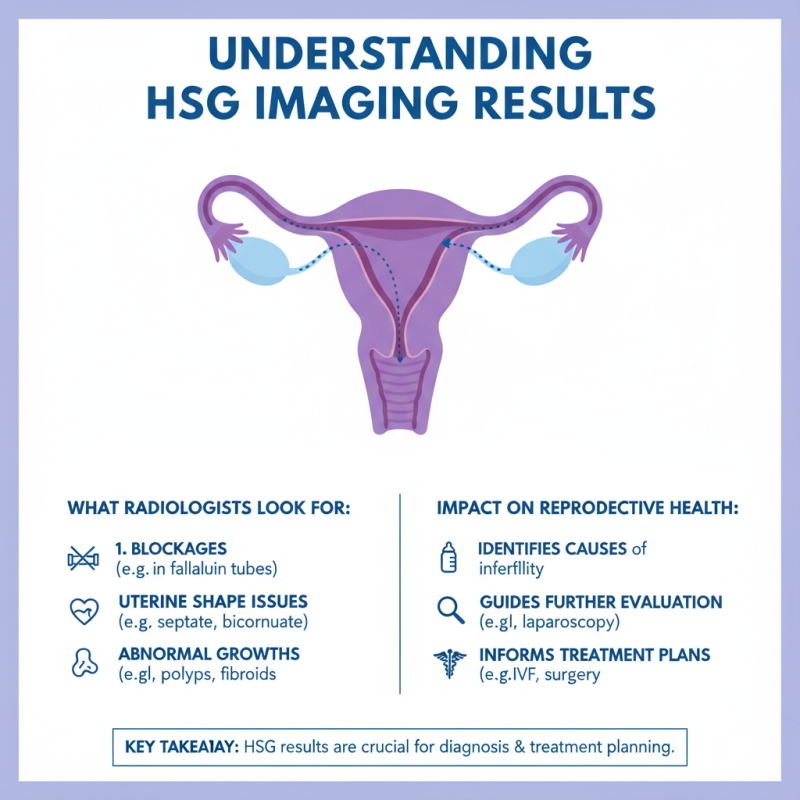
Interpreting HSG imaging results is crucial for understanding reproductive health. After the HSG procedure, radiologists assess the images for any abnormalities in the uterus and fallopian tubes. They look for blockages, shape issues, or any signs of abnormal growth. The results will guide doctors in making decisions about further evaluations or treatments.
Tips: It’s essential to discuss all findings with your healthcare provider. Ask questions about any unclear terms. Understanding your results leads to better health decisions.
Follow-up care is just as important. Patients should schedule a follow-up appointment shortly after the HSG. This visit is an opportunity to review findings and potential next steps. Don’t hesitate to express any concerns. Some may experience discomfort or anxiety about the results. Sharing feelings can relieve stress.
Tips: Keep a journal of your feelings or questions. This can be helpful during follow-up consultations. Clear communication with your doctor promotes understanding and reassurance moving forward.
Related Posts
-
2026 Top Bone Marrow Biopsy Needle Options for Patients and Professionals?
-
What is a Control Syringe? Understanding Its Uses and Benefits in Healthcare
-
Top 10 Biopsy Needles Reviewed for Precision and Efficiency
-
2025 Top 5 Arrow Arterial Line Kits for Enhanced Patient Care and Safety
-
2026 Best Arrow Arterial Line Kit for Efficient Medical Use?
-

Top Arrow Arterial Line Kit Benefits and Usage in Intensive Care Units