
Why Is a Bone Marrow Needle Used?
Why is a bone marrow needle used, and what can it reveal that a routine blood test cannot? Doctors use this instrument to collect a small sample of marrow, the soft tissue inside certain bones where blood cells develop. The needle may be used for aspiration, which draws out liquid marrow, or for a biopsy, which removes a tiny core of tissue. Sometimes both samples are taken during the same visit.
Hematologist Dr. Mikkael Sekeres is known for explaining blood disorders to patients. Paraphrasing his patient-focused approach: “A marrow sample can help clarify what blood tests leave uncertain.” The wording here is a summary, not a verified verbatim quotation. That distinction matters.
A clinician may recommend the procedure to investigate unexplained anemia, abnormal blood-cell counts, or suspected blood and marrow diseases. The sample can show how cells are developing and whether abnormal cells are present. During the procedure, a patient may feel pressure as the needle enters the bone, often the back of the hip. Local anesthetic helps numb the skin, but brief discomfort can still occur.
The findings guide—not replace—other clinical evidence. Doctors interpret them alongside symptoms, blood tests, medical history, and sometimes imaging. A needle cannot answer every question. This guide explains why it is used, what happens during sampling, and what patients may wish to ask their care team before the procedure.

What a Bone Marrow Needle Is
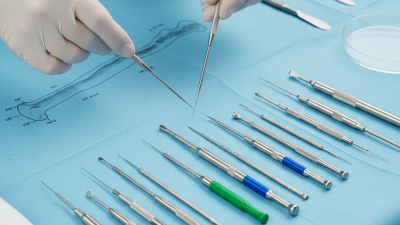
A bone marrow needle is a sterile, hollow medical instrument used to collect a small sample from the soft tissue inside a bone. It is different from a needle used for a routine blood draw. Clinicians most often take marrow from the back of the hip bone. Depending on the test, the needle collects liquid marrow, a small core of tissue, or both. Its design varies with the sample needed.
During the procedure, a clinician numbs the skin and tissue over the sampling site, then guides the needle into the bone. Pressure can feel strong, and drawing liquid marrow may cause brief, sharp discomfort. The needle does not enter the spinal cord. Samples can help evaluate blood-cell problems and certain marrow diseases. The word “needle” can sound simple, but the instrument may feel unfamiliar. Experiences also vary, so one description cannot predict exactly how it will feel.
Tips: Ask whether aspiration, a core biopsy, or both are planned. Tell the care team about medicines, allergies, bleeding problems, or past reactions to local anesthetic. Follow their instructions for comfort and aftercare.
Why Is a Bone Marrow Needle Used? - What a Bone Marrow Needle Is
| Dimension | Information |
|---|---|
| What it is | A bone marrow needle is a specialized hollow medical instrument used to collect a sample of bone marrow or a small core of marrow-containing bone for laboratory examination. |
| Why it is used | It helps clinicians investigate blood disorders, assess abnormal blood test results, and evaluate suspected or known diseases affecting the bone marrow. |
| Common procedures | Bone marrow aspiration draws a small amount of liquid marrow. Bone marrow biopsy removes a small cylindrical core of tissue. The procedures are often performed together. |
| What samples can show | Laboratory testing can examine blood-forming cells, their development and proportions, and the structure of marrow tissue. Additional tests may look for abnormal cells, infections, or genetic changes when clinically indicated. |
| Conditions investigated | Examples include unexplained anemia, low or high blood-cell counts, leukemia, lymphoma involving the marrow, multiple myeloma, and other disorders of blood-cell production. |
| Common sampling site | The posterior iliac crest—the back of the pelvic bone—is a common site for adults. The exact site depends on the patient and clinical circumstances. |
| How it is performed | The skin is cleaned and local anesthetic is usually used. The clinician guides the needle through the bone into the marrow space to collect the required sample. Sedation may be considered in some situations. |
| What a patient may feel | Local anesthetic can sting briefly. During aspiration, some people feel a short, sharp pulling sensation; pressure or soreness may occur during or after the procedure. |
| Possible risks | Temporary pain, bruising, or minor bleeding can occur. Infection and more significant bleeding are uncommon. Individual risks may be affected by medical conditions or medicines that influence blood clotting. |
| Important distinction | A bone marrow needle is used to obtain diagnostic samples; it is not the same as a needle used for a routine blood draw, which collects blood from a blood vessel. |
Related Posts
-
10 Best Bone Marrow Needle Options for Efficient Biopsy Procedure?
-
China Top Bone Biopsy Needle Manufacturers and Suppliers
-
2026 Top Bone Marrow Biopsy Needle Options for Patients and Professionals?
-

How to Choose the Right Bone Marrow Biopsy Needle for Effective Results
-
How to Choose the Right Bone Biopsy Needle for Accurate Diagnosis?
-
How to Choose the Right Bone Biopsy Needle for Your Medical Needs