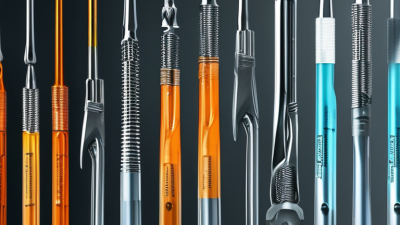
2026 Top Bone Marrow Biopsy Kit Types for Global Buyers

Choosing a bone marrow biopsy kit in 2026 requires more than comparing needle prices. Global buyers must assess clinical purpose, operator experience, patient age, specimen quality, and local procurement conditions. A combined aspiration and trephine kit may suit hospitals handling varied hematology cases. An aspiration-focused kit may fit laboratories with narrower diagnostic workflows. Pediatric and image-guided procedures demand different design priorities.

Professor Barbara J. Bain, a widely respected hematopathologist, has emphasized, “The quality of the specimen is critical to the diagnosis.” That principle remains practical. A sharp, stable needle can reduce unnecessary manipulation. Clearly labeled tubes can prevent confusion beside a crowded procedure tray. Secure packaging also matters when products travel through hot, humid, or remote supply routes.

Small details matter.

This guide examines leading bone marrow biopsy kit types for global buyers, including disposable, reusable, manual, and integrated systems. It considers needle geometry, handle control, depth options, specimen containers, sterility assurance, packaging clarity, and after-sales support. Buyers should also verify product documentation, applicable quality certifications, and regional registration requirements before purchase.

No category wins everywhere. A premium kit may improve handling but exceed a smaller clinic’s budget. A lower-cost option may appear efficient, yet inconsistent components can create hidden delays. That is an uncomfortable point. Product comparisons can also overvalue specifications and undervalue real user feedback. Therefore, this overview combines technical features with practical purchasing questions, helping decision-makers compare performance, reliability, and total value more responsibly.
2026 Top Bone Marrow Biopsy Kit Types for Global Buyers

Bone Marrow Biopsy Kits: Purpose, Components, and Clinical Applications

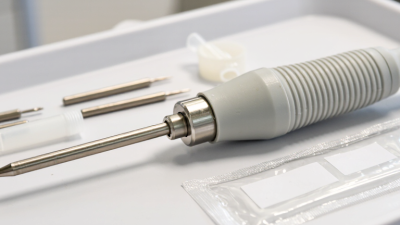
Bone marrow biopsy kits help clinicians obtain core tissue and aspirate samples from the iliac crest. These samples support diagnosis, staging, and treatment monitoring for blood disorders. Common kit types include manual aspiration sets, trephine biopsy sets, and combined aspiration-biopsy kits. Some include safety needles, specimen containers, local anesthetic accessories, and slides. Selection depends on patient age, sampling depth, procedure setting, and operator experience.

A complete kit should provide a sharp, stable needle, depth control, a secure handle, and clearly labeled collection tubes. Larger trephine needles may produce stronger cores, while smaller needles can reduce tissue trauma. Hospitals often choose sterile, single-use components to simplify preparation and reduce cross-contamination risks. Clinical applications include investigating unexplained anemia, suspected leukemia, lymphoma assessment, and evaluating marrow recovery after therapy. Results still depend on sample quality and proper laboratory processing.

Tips: Check needle dimensions, core length, sterility, and packaging before purchase. Confirm compatibility with local pathology workflows. A kit may look complete but lack useful aspiration syringes. I have seen procurement decisions focus on price while overlooking handling comfort. That can affect procedure time. Training remains essential, especially for difficult anatomy, pediatric cases, or repeat sampling. Always follow institutional protocols and current clinical guidance.

2026 Top Bone Marrow Biopsy Kit Types for Global Buyers

Bone Marrow Biopsy Kits: Purpose, Components, and Clinical Applications

How to read the chart: A value of 1 indicates that the component is typically included in the corresponding kit configuration, while 0 indicates that it is generally supplied separately or not required. Aspiration-only kits are commonly used to obtain liquid marrow samples; core biopsy kits use a trephine needle to collect a cylindrical bone sample; combined kits support both procedures. These configurations are used in the evaluation of hematologic malignancies, unexplained cytopenias, marrow failure, metastatic disease, and treatment response. Exact contents may vary according to local clinical protocols and procurement requirements.

Core Bone Marrow Biopsy Kit Types Available in 2026

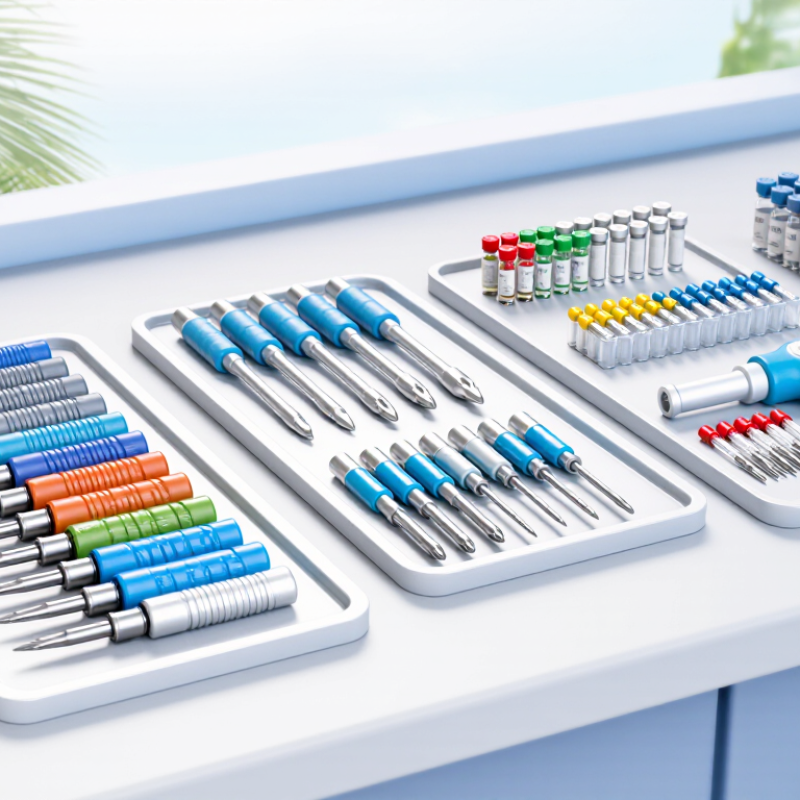
In 2026, bone marrow biopsy kits generally fall into three core types: aspiration kits, trephine biopsy kits, and combined aspiration-biopsy kits. Aspiration kits usually include a sharp needle, syringe, specimen container, and local preparation supplies. They are suited to collecting liquid marrow for cellular analysis. Trephine kits use a hollow cutting needle to obtain a small core of bone and marrow. This sample helps specialists assess architecture, fibrosis, and infiltration.

Combined kits offer both sampling functions in one organized package. They can reduce preparation time during procedures and limit the need to open multiple sterile packs. Some kits include adjustable depth controls, coaxial needles, skin markers, and labeled containers. These details matter in busy hematology units. They also support clearer specimen handling. Small mistakes can still occur.

Manual systems remain common because they provide direct tactile feedback. Powered systems may help reduce physical effort, but they require staff training and compatible clinical protocols. Buyer decisions should consider patient age, sampling site, needle size, handle design, and laboratory requirements. Packaging should protect sterile components and keep instruments easy to identify. A kit may look complete on paper yet feel awkward during a real procedure. Trial evaluation is valuable. Hospitals should also verify local registration, documentation, shelf life, and disposal requirements before purchase.

Key Differences in Needles, Containers, and Sampling Accessories

2026 Top Bone Marrow Biopsy Kit Types for Global Buyers

Bone marrow biopsy kits differ mainly in needles, containers, and sampling accessories. Aspiration needles usually have a hollow tip and support marrow fluid collection. Trephine needles use a cutting edge to obtain a solid core. Needle diameter, length, stylet design, and depth markings affect handling and sample quality. A wider needle is not automatically better. Patient anatomy and operator technique still matter.

Containers require equal attention. EDTA tubes suit many aspiration specimens, while formalin containers preserve tissue cores for histology. Sterile containers may be needed for microbiology testing. Clear labeling, leak-resistant closures, and adequate volume are essential. Sampling accessories can include syringes, specimen labels, gauze, skin preparation items, and protective sharps containers. Small omissions can delay laboratory processing.

Tips: Confirm the intended tests before selecting the kit. Check needle compatibility with the procedure and the patient’s anatomy. Review container requirements with the receiving laboratory. Keep accessories organized in procedure order. No kit is perfect. Teams should document difficult collections and review whether the needle, container, or technique caused the problem. Local clinical protocols and trained professionals must guide final selection.

How Global Buyers Should Compare Kit Quality and Compatibility

2026 Top Bone Marrow Biopsy Kit Types for Global Buyers

Global buyers should compare compatibility before choosing a bone marrow biopsy kit. A kit may contain excellent components but still fail in daily use. Check needle gauge, working length, handle design, sample capacity, and container fit. These details must match the clinician’s technique and the receiving laboratory’s workflow. A trocar that feels secure in one setting may feel awkward in another.

Quality requires more than sharp instruments. Review material traceability, dimensional consistency, sterile barrier performance, shelf life, and clear instructions for use. Ask for batch records, inspection criteria, and performance data from the supplier. Confirm that packaging suits your climate, especially regions with high heat or humidity. Local registration and applicable medical-device standards also matter. Do not assume one document covers every market.

Tips Request evaluation samples before placing a large order. Test the kit with your usual containers and imaging process. Compare handling comfort, specimen integrity, and packaging condition after transport. Keep a written scoring sheet. It reduces bias, although it will not remove every uncertainty. A lower price can hide compatibility problems. A heavier kit is not automatically better. Reviewers sometimes focus on specifications and overlook the person holding the device. That mistake deserves attention.

Regulatory, Sterility, and Supply Considerations for International Purchasing

For global buyers in 2026, bone marrow biopsy kit selection starts with the intended procedure, not catalogue popularity. Common configurations include aspiration-only kits, combined aspiration-and-core kits, and powered systems. Each design affects needle control, sample integrity, operator training, and shipping requirements. The kit should match local clinical practice and the receiving facility’s validated workflow.

Regulatory review should confirm product classification, authorized indications, labeling language, and importer responsibilities in each destination. Request current conformity documents, certificates, technical files, and traceable lot numbers. Do not rely on a sales sheet alone. Sterility claims need evidence, including the sterilization method, validated packaging, sterile barrier integrity, and stated shelf life. Look for visible damage after transport. Small tears matter. If the kit includes an ancillary component, verify its status separately. One overlooked item can delay clearance or create a compliance gap.

Supply planning should examine production lead time, minimum order quantities, storage limits, and replacement policies. Request samples from the same production lot when possible. Compare needle dimensions, trocar fit, handle grip, and specimen container seals. These details matter at the procedure table. International purchasing also needs a contingency plan for port delays, short-dated inventory, and documentation changes. A practical review may reveal that local staff cannot use the instructions confidently. That weakness deserves attention. No checklist is perfect.