What Is an Angio Drape Used For?
An angio drape is a sterile, single-use covering for angiography and related image-guided procedures. It helps define the working field around the patient. Many designs have a shaped opening that gives the clinical team access to the intended treatment area while covering nearby skin and surfaces. Some also include adhesive edges, fluid-control features, or instrument pockets. Details matter.
The exact design depends on the procedure, patient position, and facility protocol. A drape used for a leg procedure may look different from one intended for access near the arm or groin. Once positioned, it can help preserve the sterile field as clinicians work with imaging equipment, catheters, and other devices. It is one part of infection-prevention practice, not a substitute for proper hand hygiene, skin preparation, or sterile technique. Small placement errors can matter. Staff should check the product instructions and confirm that openings align with the planned access site before use.
This guide explains what an angio drape is designed to do, which features may be useful, and what to consider when selecting one. Product names and layouts can be confusing, and not every feature suits every case. That deserves a closer look. Understanding the drape’s role helps clinicians and procurement teams ask practical questions about coverage, fluid handling, and ease of setup. It also helps readers distinguish a specialized procedural drape from a general-purpose sterile cover.
What an Angio Drape Is
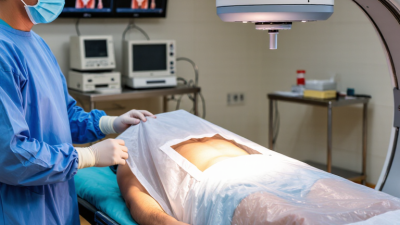
An angio drape is a sterile covering used during angiography and other image-guided procedures. It is placed over the patient to create a defined working area around the access site, often at the wrist or groin. A shaped opening exposes the planned entry point, while broad panels cover nearby skin and equipment. Some designs include adhesive edges or a pouch to collect fluid. The details vary by procedure; an angio drape is not simply a large sheet.
Its main role is to help maintain a sterile field and manage fluids—not to guarantee that infection will not occur. The World Health Organization’s 2016 Global Guidelines report an estimated 11% surgical-site infection rate among patients undergoing surgery in low- and middle-income countries. That figure is not specific to angiography or drapes, but it shows why sterile technique matters. WHO also advises against using plastic adhesive incise drapes to prevent infection; that recommendation does not apply automatically to every angiography drape. Correct placement still depends on the procedure and the clinical team’s protocol. Small details count. A poorly aligned opening can expose more skin than intended, and drapes can shift during setup. Teams should check the field before starting.
How an Angio Drape Helps Maintain a Sterile Field
An angio drape creates a sterile barrier around the access site during an angiography or other image-guided procedure. Its fenestration exposes only the area needed for access, while the surrounding material covers nearby skin and equipment. This helps limit contact between the prepared site and nonsterile surfaces. The drape may also include adhesive edges or fluid-control areas, depending on its design. Small details matter. A folded edge can brush against a glove or uncovered surface, so staff handle and position the drape carefully.
Before placement, the team prepares the skin and arranges sterile instruments according to the procedure and local protocol. Once positioned, the drape helps define the working zone and provides a visible boundary for sterile supplies. It does not make an unprepared surface sterile, and it cannot prevent contamination if the barrier is breached. If a corner lifts or fluid spreads beyond the intended area, the team should assess the situation and respond using established infection-control procedures. The exact drape design varies, so staff should follow its instructions for use. In practice, the barrier is useful, but it is not foolproof; careful handling still matters.
Key Features of an Angio Drape
What Is an Angio Drape Used For?
Key Features of an Angio Drape
An angio drape is a sterile barrier used during angiography and other image-guided vascular procedures. It covers the patient and nearby surfaces while leaving an access area exposed for the clinical team. This helps maintain a controlled sterile field around the procedure site. The drape may also help manage fluids, though its design and use vary by procedure.
Key features can include a fenestration, or opening, positioned over the access site. Adhesive edges may help keep the drape in place without restricting necessary movement. Some designs include integrated fluid-collection areas, tubing holders, or transparent sections that let staff monitor lines. Materials should resist fluid penetration and remain strong when wet. A close fit matters, but overly tight placement can interfere with access or patient comfort. Small details can make setup easier, yet staff should check that openings align with the planned site.
How an Angio Drape Is Positioned During a Procedure
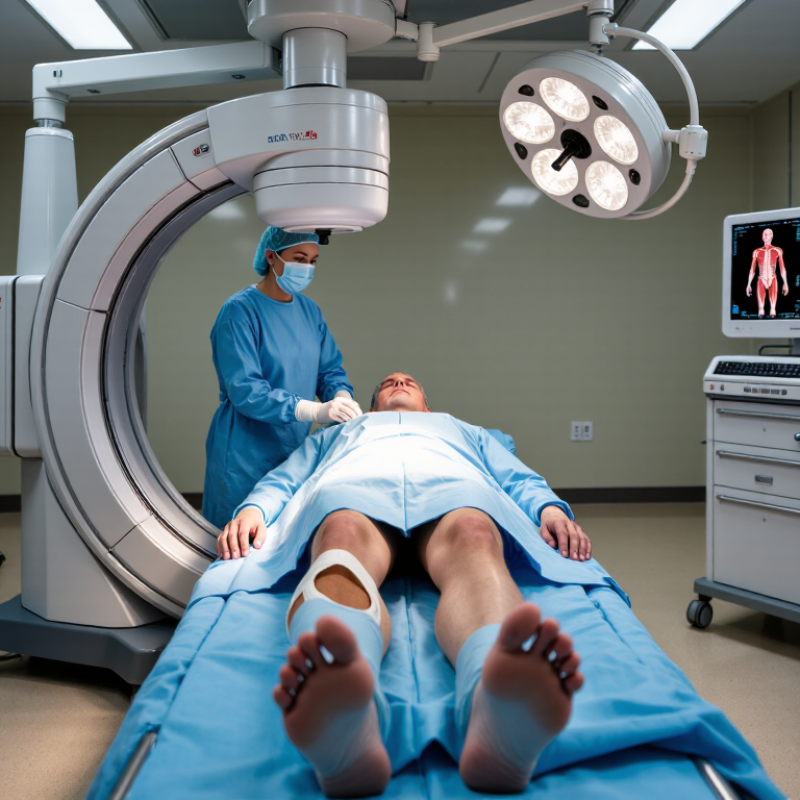
During an angiography procedure, the drape is positioned to create a sterile working area around the planned access site. The team first confirms the patient’s position and the intended route, such as an arm or groin approach. Skin preparation must dry according to the antiseptic’s instructions before the drape is applied. Small details matter.
The drape’s opening should align with the access site, leaving enough room for the clinician to work without exposing unnecessary skin. Adhesive edges are smoothed gently to limit gaps and folds. The fabric should lie flat, but not pull tightly across the patient or restrict access to monitoring equipment. A fluid pouch, when included, is placed where it can collect irrigation without obstructing the operator or imaging equipment.
There is no single placement that fits every patient or procedure. The patient’s anatomy, chosen access route, and room setup can all change the ideal position. If the opening shifts or the drape becomes contaminated, the sterile team should address it according to local protocol rather than simply stretching it back into place. The setup can feel a little awkward at first; careful checks help keep the field usable and sterile.
| Procedure phase | How the angio drape is positioned | Purpose | Key considerations |
|---|---|---|---|
| Before placement | After the access area has been prepared and allowed to dry, the sterile team identifies the intended access site and selects a drape suitable for the procedure. | Establishes a sterile field around the planned angiography or vascular-intervention site. | Follow the facility’s aseptic technique and the drape’s instructions for use. Do not place a drape over prep solution that has not dried. |
| Aligning the opening | The drape’s fenestration or access opening is centered over the planned puncture site, such as a radial or femoral access site, according to the procedure plan. | Leaves the intended skin area accessible while covering the surrounding prepared area. | Confirm that the opening provides adequate access without exposing more of the prepared area than necessary. |
| Unfolding and covering | The sterile drape is unfolded over the patient so it covers the intended procedural area. Team members handle it in a way that keeps the sterile side from contacting nonsterile surfaces. | Acts as a physical barrier between the sterile working area and surrounding surfaces. | Avoid dragging the drape across nonsterile areas or moving it after it has contacted a nonsterile surface. |
| Securing the drape | If the drape has adhesive edges, they may be applied as directed to help maintain its position around the access area. | Helps reduce shifting during the procedure and supports maintenance of the sterile field. | Apply without pulling excessively on the patient’s skin or obstructing the access site. |
| Managing equipment and fluids | The drape is arranged to leave the operator’s working area accessible. Any supplied pockets or fluid-control features are used only as intended by the drape design. | May help organize the sterile workspace and manage fluids, depending on the drape’s design. | Keep cables and tubing from pulling on the drape, and make sure fluid does not pool in a way that compromises the field. |
| During the procedure | The drape remains in place while the team works through the designated opening and monitors the sterile field. | Maintains coverage around the access site during catheter-based imaging or treatment. | If the sterile field is compromised, follow the facility’s protocol for corrective action or replacement. |
General information only. Drape selection and placement depend on the procedure, the patient, the product instructions, and local clinical protocol.
Procedures That Commonly Use Angio Drapes
Angio drapes are used to maintain a sterile field around vascular access sites during catheter-based procedures. In coronary angiography, staff guide a catheter through an artery to image the heart’s vessels. During percutaneous coronary intervention, the same access area may support balloon dilation or stent placement. The drape’s openings help expose the working site while covering nearby skin and equipment. Small details matter.
Peripheral angiography and interventions also commonly use angio drapes. These procedures assess blood flow in the legs or other vessels, and may include angioplasty, stent placement, or embolization. Neuroangiography uses similar sterile coverage when catheters are guided through arteries to examine vessels in the head and neck. The setup varies with the access route and the procedure; one drape design does not fit every case.
The American Heart Association’s 2024 Heart Disease and Stroke Statistics update estimated that 20.5 million U.S. adults had coronary heart disease, based on 2020 data. That burden helps explain the ongoing need for coronary diagnostic and treatment procedures. A drape supports infection-control practice, but it does not replace careful skin preparation, sterile technique, or staff training. In practice, positioning can be awkward, and the team may need to adjust the drape without contaminating the field.
Related Posts
-
What Is the Best Angio Drape for Cath Labs?
-

How to Choose the Right Angio Drape for Your Hospital
-

How to Choose the Best Angio Drape for Global Sourcing?
-

Top 5 Tips for Choosing the Best Angio Drape?
-

10 Essential Tips for Using Hydrophilic Coating Catheters Effectively?
-

Top 10 Control Syringe Types You Need to Know?