What Is a Double Male Luer Lock Adapter Used For?
A double male luer lock adapter connects two components that each have a female luer fitting. Its male ends seat inside the female ports, while the threaded collars help secure the connection. This can join items such as compatible syringes, tubing, or medical devices with matching fittings. The adapter is a small part, but it can make a fluid pathway possible when two female connectors otherwise cannot meet.
The name sounds straightforward. Compatibility still matters. Before use, check the connector dimensions, material, intended fluid, and pressure limits stated by the manufacturer. Tighten the collars firmly, but do not force them; damaged threads or a poor fit may cause leakage. A quick visual check helps: both ends should sit evenly, with no visible gap or cracking. Also confirm whether the specific adapter is sterile, single-use, or suitable for the planned application. These details vary by product.
This article explains what a double male luer lock adapter is used for, where it fits in a connected system, and what to inspect before choosing one. It also clarifies a common limitation: this adapter joins female luer ports, not two male ports. That distinction is easy to miss. Even a secure-looking connection should be checked against the device instructions, since appearance alone cannot confirm suitability.
Definition and Design of a Double Male Luer Lock Adapter
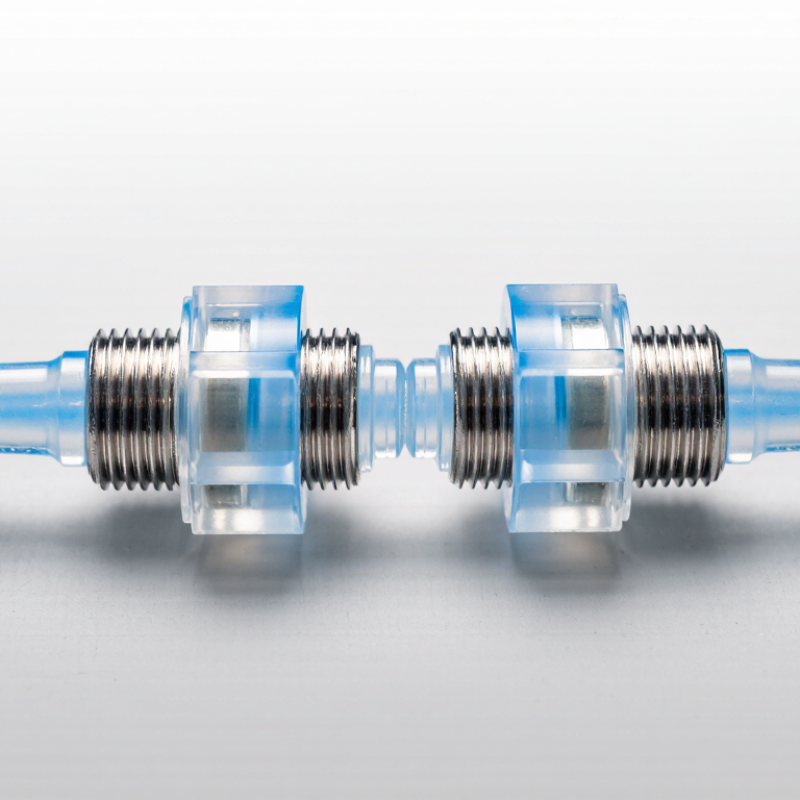
A double male Luer lock adapter is a small connector with a male Luer fitting at each end. Each end typically has a tapered tip and a threaded locking collar. The tip enters a compatible female Luer port; the collar turns to help hold the connection in place. A small part. Its purpose is to join two compatible female-ended components without changing their basic connection type.
The design is compact, often only a few centimetres long, with a central body that may be straight or shaped for easier handling. Materials and dimensions vary, so appearance alone cannot confirm compatibility. Check the product’s stated connector standard, intended use, and any pressure or fluid limitations before selecting one. Sterility and single-use status also depend on the specific product labeling. That matters. The locking collar can reduce accidental separation, but it does not make every connection leak-proof or suitable for every setup. The design seems simple, yet that simplicity can invite assumptions; careful inspection and matching specifications remain important.
How the Adapter Connects Two Female Luer Fittings
A double male luer lock adapter joins two components that each have a female luer fitting. One male end enters the first fitting; the other enters the second. The adapter acts as a short bridge. Small, but useful.
Each end has a tapered tip that seats inside its female counterpart. A rotating collar then engages the fitting’s threads and helps keep the connection secure. The taper forms the seal; the threads mainly hold the parts together. That detail is easy to overlook. A snug connection should not require excessive force.
Before connecting, check that both fittings are compatible and free from cracks, debris, or visible damage. Align the parts straight, seat the tapered end, and turn the collar gently. If it resists, stop and check alignment rather than forcing it. A cross-threaded or poorly seated connection may leak. For fluid or medical-device applications, confirm the adapter’s material, intended use, and pressure limits against the equipment instructions. Fit can look right and still be wrong. The adapter does not make incompatible components safe to use together.
What Is a Double Male Luer Lock Adapter Used For? - How the Adapter Connects Two Female Luer Fittings
| Dimension |
Details |
Practical Note |
| Main purpose |
Joins two components that each have a compatible female Luer fitting. |
The adapter provides a male Luer connection at each end. |
| Connection design |
Each end has a male Luer tip; a locking collar can engage the threads on a female Luer lock fitting. |
The Luer taper forms the fluid connection, while the lock helps secure compatible fittings. |
| Typical connection sequence |
Align one adapter end with the first female fitting, seat the taper, and engage the lock as designed. Repeat at the other end. |
Follow the instructions for the specific connector; do not force mismatched fittings. |
| Luer lock versus slip |
A Luer lock connection uses a threaded locking feature. A Luer slip connection relies on the tapered fit without a threaded lock. |
Check both mating fittings; a locking collar does not make every slip fitting lock-compatible. |
| Fluid pathway |
When correctly connected, the adapter provides a passage between the two attached components. |
Confirm that the adapter’s flow path and dimensions suit the intended setup. |
| Common application |
Used as a connector in compatible fluid-handling assemblies, including some medical and laboratory setups. |
Use only in applications permitted by the product labeling and applicable procedures. |
| Before use |
Check connector compatibility, cleanliness, condition, and the applicable pressure or use limits. |
Do not use a damaged, contaminated, or poorly fitting connector. Avoid overtightening. |
| Important limitation |
Compatibility, materials, sterility, reusability, and pressure ratings vary by product. |
Verify the manufacturer’s instructions and the requirements of the intended application. |
Common Applications in Medical and Laboratory Setups
A double male luer lock adapter connects two components with female luer fittings, creating a continuous fluid path. In medical setups, it may join a syringe to an extension line, connect compatible tubing to a stopcock, or link sections of an infusion assembly. The threaded collars help secure the connection during handling. A secure fit matters.
In laboratories, the adapter can connect syringes, sample lines, and fluid-handling equipment with matching female ports. For example, a technician might use one to link a syringe to a short length of tubing while transferring a measured liquid between containers. It can also help arrange a compact bench setup when components have different positions or orientations. It does not regulate flow or replace a valve.
Check the connector type, material compatibility, and pressure limits before use. A luer connection may look right but still be unsuitable for a particular chemical, temperature, or application. In clinical settings, use only components intended for the required procedure and follow local handling instructions. Sterility requirements vary. Not every setup matches. One overlooked detail is how much strain the tubing places on the joint; a tight collar cannot compensate for a poorly supported line.
Compatibility with Tubing, Syringes, and Other Devices
What Is a Double Male Luer Lock Adapter Used For?
Compatibility with Tubing, Syringes, and Other Devices
A double male luer lock adapter connects two devices with female luer ports. Its male tips enter the ports, while locking collars help secure the connection. This can link compatible tubing to a syringe, or join two sections of a fluid pathway. Adapter designs vary, so confirm that both ends match the device’s connector type and intended use. Check for a snug fit, intact threads, and leaks before use. A connection that looks right may still be unsuitable.
ISO 80369-7:2021 sets requirements and test methods for small-bore connectors used in intravascular and hypodermic applications. It is a useful reference, but does not make every luer-connected device interchangeable. The Joint Commission’s 2006 Sentinel Event Alert reported 116 tubing-misconnection cases, including 21 deaths and 97 injuries. These figures cover misconnection events broadly, not double male adapters specifically. Keep the full fluid path in view: verify the connected devices’ purpose, fluid compatibility, and pressure limits. Labels can be easy to overlook. A brief visual check is not a substitute for following the device instructions.
What Is a Double Male Luer Lock Adapter Used For?
Direct mating compatibility depends on the connector at each end.
A double male luer lock adapter has a male luer connector at both ends, so it directly mates with female luer ports. It does not directly connect to another male luer tip or to bare tubing without a compatible fitting. Check the specific device instructions and connection requirements before use.
Safe Handling and Key Limitations
A double male luer lock adapter has a male threaded connector at each end. It joins two compatible female luer ports, often to connect components in a fluid-transfer setup. The locking collars can help prevent accidental separation. They do not guarantee a leak-proof connection or make incompatible equipment safe.
Use the adapter only when the instructions for both connected devices allow it. Check the packaging and inspect the threads and body for damage. Keep connection surfaces clean, and preserve sterility when the application requires it. Align the fittings before tightening by hand. Avoid tools. Too much force can damage threads or crack the adapter. Check for leaks using the system’s approved procedure. Also verify material compatibility and pressure limits; ratings vary by product. It is easy to assume all luer fittings work alike, but small differences matter.
Tips: Keep both ends capped until use. Match connector type, material, and pressure rating. If a fitting feels loose or cross-threaded, stop and replace the adapter. Never compensate by overtightening.