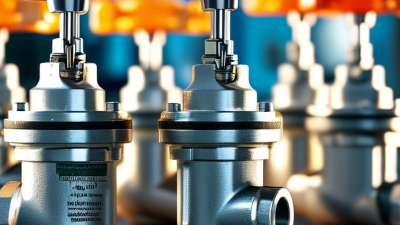
What Is a Luer Stopcock and How Does It Work?
A luer stopcock is a compact valve used to control fluid movement through compatible medical tubing. Its familiar three-way design can connect a syringe, patient line, and collection device. By turning the handle, a clinician opens one pathway and closes another. The action is simple, but its purpose is precise: directing, stopping, or switching fluid flow without disconnecting the entire system.
In practice, the small handle offers useful control during infusion, sampling, flushing, and pressure monitoring. A clear body can help users observe bubbles or residual fluid, although visibility does not replace careful inspection. The connection usually follows the Luer standard, yet not every component has identical performance. Materials, locking features, pressure ratings, and sterility requirements can differ between products. Check the manufacturer’s instructions.
It is easy to underestimate this device. A partially turned handle may create an unexpected flow path. A loose connection can also cause leakage or air entry. For that reason, trained professionals should confirm the valve position, inspect the seals, and verify component compatibility before use. Clean technique matters throughout handling.
This guide explains what a luer stopcock is, how its internal pathway changes, and where practical errors may occur. It also considers common configurations, operating steps, and maintenance limitations. Some descriptions may seem obvious. Real-world setups are not always obvious. Tubing labels, connector orientation, and the surrounding equipment can make the same valve look different. Understanding those details supports safer, more consistent fluid management.
What Is a Luer Stopcock?
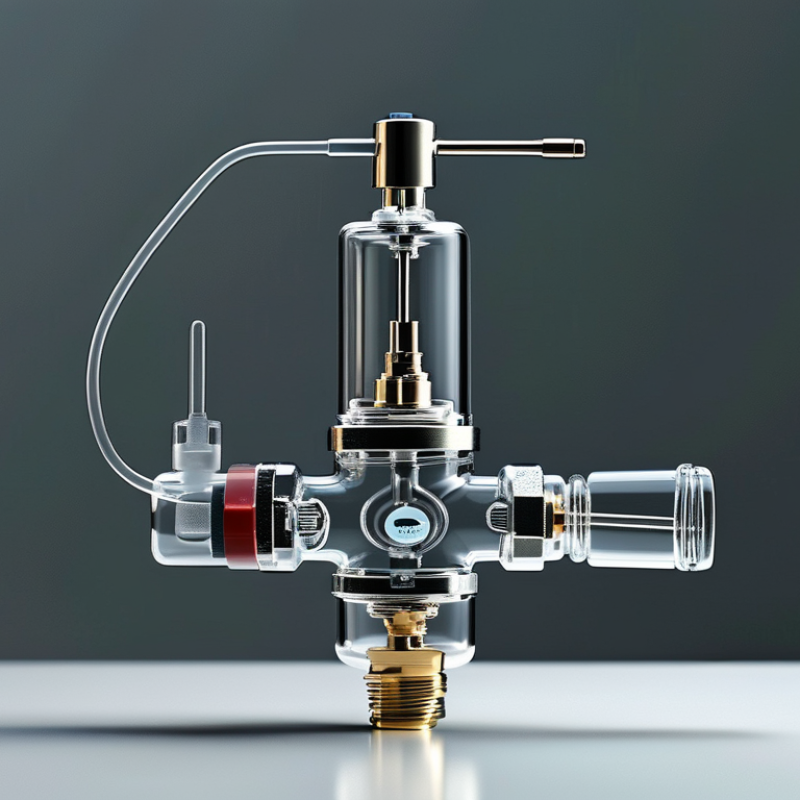
A luer stopcock is a small valve used to control fluid movement in medical tubing. Most models have three ports and a rotating handle. Turning the handle opens one pathway while closing another. This allows clinicians to start, stop, redirect, or isolate flow without disconnecting the tubing.
The luer connection creates a tapered fit between compatible components. ISO 80369-7 defines requirements for small-bore connectors used with intravascular and hypodermic applications. ISO 8536-10 also addresses accessories such as stopcocks and related components. In practice, compatibility still needs checking. Not every connector fits safely.
During use, staff usually inspect the valve for cracks, loose caps, leakage, and trapped air. The handle should move smoothly, not forcefully. A small mistake can matter. Incorrect positioning may interrupt infusion or expose the line to contamination. The World Health Organization reports that about one in ten patients experiences harm in healthcare, with more than half considered preventable. This does not mean every event involves a stopcock. It does show why simple devices require disciplined handling.
A stopcock can also retain a small internal volume, called dead space. That volume may affect low-dose medication delivery, especially in narrow tubing. Research methods differ, so reported values are not always comparable. This is an area worth rechecking rather than assuming. Clear labels, sterile technique, and a final flow-path check remain practical safeguards.
Key Components and Port Configuration
What Is a Luer Stopcock and How Does It Work?
Key Components and Port Configuration
A Luer stopcock is a small valve that controls fluid movement between connected lines. Its main parts include a valve body, rotating plug, handle, and Luer connectors. The plug contains an internal channel. Turning the handle changes which ports communicate.
Most stopcocks use a three-port configuration. One port may connect to a patient line, another to a syringe, and the third to a monitoring or fluid line. In a two-port model, the valve simply opens or closes one pathway. Four-port designs can support more complex routing, but they require closer attention.
The handle usually points toward the open pathway. However, markings vary by design. Never rely on handle position alone. Check the body arrows and the intended flow path. That small step matters.
Luer connectors are commonly male, female, or needle-free types. They must fit securely without excessive force. A loose connection may cause leakage, while over-tightening can damage the fitting. During routine setup, inspect the valve for cracks, trapped air, and damaged caps. Rotate the handle gently. It should move smoothly, not loosely.
Port configuration affects both safety and convenience. An unused port should remain properly capped. The valve should also match the required pressure, fluid, and sterilization conditions.
A stopcock may look simple, yet incorrect alignment can redirect flow unexpectedly. Personal experience shows that visual checks are easy to skip, especially during busy procedures. That is precisely when they matter most.
How a Luer Stopcock Controls Fluid Flow
What Is a Luer Stopcock and How Does It Work?
How a Luer Stopcock Controls Fluid Flow
A Luer stopcock is a small valve used to direct fluid through connected tubing, syringes, or medical devices. Its central body contains a rotating plug with narrow internal channels. Turning the handle changes which ports communicate with each other. When the handle points toward a port, that pathway is usually open. A quarter-turn can redirect flow or close the passage.
Flow control depends on alignment, pressure, and the number of connected ports. In a three-way design, fluid may move from one syringe to a collection line, while the third port remains closed. The operator turns the handle slowly and checks the direction before applying pressure. A gentle push helps prevent sudden movement, leaks, or unwanted backflow.
Small details matter.
In practical use, I have found that the handle position can be misread when tubing crosses over the valve. The apparent direction is not always obvious. Labels, clear port visibility, and a brief flow check improve reliability. The valve should remain clean, firmly connected, and free from cracks. Excessive force can damage the fitting or dislodge a connection. Air bubbles may also affect fluid delivery, so the system needs careful inspection before use. This device looks simple, yet its control depends heavily on disciplined handling and accurate interpretation.
What Is a Luer Stopcock and How Does It Work? - How a Luer Stopcock Controls Fluid Flow
| Data Dimension | Typical Information | How It Affects Fluid Flow |
|---|---|---|
| Device type | Manual multi-port valve used with small-bore fluid lines | Allows an operator to start, stop, isolate, or redirect fluid without disconnecting the tubing. |
| Common port configuration | Three ports arranged around a central valve body | The valve can connect one port to either of the other two, depending on handle position. |
| Connector interface | Luer slip or Luer-lock connections; configuration varies by product | Luer slip connections rely on a tapered friction fit, while Luer-lock connections use threads for added retention. |
| Valve mechanism | Rotating internal plug or rotor with a fluid passage | Turning the handle aligns or blocks the internal passageways, controlling which ports communicate. |
| Typical handle movement | Usually a quarter-turn between indexed flow positions | Each selected position corresponds to a defined open, closed, or redirected flow path. |
| Basic flow states | Port A–B open, Port A–C open, or selected ports closed | The stopcock can isolate a line, connect two lines, or direct fluid between a source and a destination. |
| Flow direction | Usually bidirectional through an open passage | Fluid may move in either direction unless the connected system includes a separate one-way valve. |
| Flow control method | On/off isolation and path selection rather than precise metering | A stopcock controls where fluid goes, but it is not normally intended to provide accurate continuous flow-rate adjustment. |
| Dead volume | Small internal volume that remains within the valve and ports | Residual fluid can remain after operation, which may matter in sampling, dosing, or medication-transfer applications. |
| Common materials | Medical-grade plastics such as polycarbonate, polypropylene, or related engineering polymers | Material selection affects chemical compatibility, transparency, pressure capability, and sterilization suitability. |
| Visual inspection | Many designs use a transparent or translucent valve body | Visibility can help users identify fluid movement, trapped air, contamination, or incomplete priming. |
| Priming requirement | The internal passage should generally be filled with the intended fluid before use | Priming reduces retained air and helps establish a continuous fluid path. |
| Pressure capability | Product-specific; pressure ratings must be taken from the applicable technical specification | Exceeding the rated pressure may cause leakage, disconnection, housing damage, or valve failure. |
| Leak prevention | Sealing surfaces, tapered interfaces, and locking features | Correct connection, compatible components, and proper handle positioning help prevent leakage and unintended flow. |
| Typical applications | Infusion lines, pressure-monitoring systems, sampling setups, laboratory tubing, and fluid-transfer assemblies | Provides convenient access for injection, withdrawal, flushing, monitoring, or temporary isolation of a fluid line. |
Common Types and Medical Applications
A Luer stopcock is a small valve that controls fluid movement between connected medical lines. Its rotating handle opens or closes selected pathways. In a three-way stopcock, one port usually connects to a syringe, another to a patient line, and the third to an infusion source. A four-way manifold adds more channels for complex procedures.
Common types include standard three-way valves, high-pressure models, and needle-free versions. High-pressure designs support selected monitoring procedures, such as arterial pressure measurement. Needle-free valves can reduce direct needle handling during medication delivery. However, their safety still depends on correct disinfection and secure connections.
Medical teams use Luer stopcocks during intravenous therapy, blood sampling, anesthesia, dialysis, and hemodynamic monitoring. WHO estimates that about 16 billion injections occur worldwide each year, showing the scale of fluid-delivery practices. ISO 80369-7 defines requirements for small-bore Luer connectors, helping reduce connection errors between medical devices. The standard does not replace clinical judgment.
In practice, the handle direction matters. A simple visual check can prevent an unintended flow change. Yet the device is not foolproof. Air, leakage, contamination, or a partially closed channel may create serious problems. My experience with clinical equipment suggests that staff training often matters as much as valve design. Cleaning technique, line labeling, and patient monitoring remain essential. Some settings may need clearer protocols.
Safe Handling, Maintenance, and Limitations
What Is a Luer Stopcock and How Does It Work?
Safe Handling, Maintenance, and Limitations
A luer stopcock is a small valve used to control fluid movement between connected medical lines. Its rotating handle opens one pathway while closing another. Some models connect two ports, while others include three or more. The handle position should be checked visually before every use. A smooth turn does not prove correct alignment.
Safe handling begins with clean technique and careful inspection. Check the housing, ports, caps, and seals for cracks, looseness, or visible contamination. Keep unused ports capped. Do not touch sterile connection surfaces, even briefly. Connect components without forcing them, because damaged threads may leak later. Tighten firmly by hand. Excessive force can deform the connection.
Use only cleaning methods approved for the specific device. Many stopcocks are designed for single use and should not be reused or reprocessed. If a line shows air, leakage, unusual resistance, or unexpected fluid movement, pause and assess the setup. A stopcock can reduce handling, but it cannot correct poor technique. It also adds internal dead space, which may affect small-volume delivery. Some models have pressure, temperature, or chemical compatibility limits. Never assume every luer connection has the same performance. When uncertain, check the instructions and involve qualified clinical staff. I would rather replace a questionable valve than trust a nearly invisible defect.
Related Posts
-
What is a Three Way Stopcock and Its Applications in Industry?
-
Essential Tips for Choosing a Luer Lock Stopcock?
-

Understanding Three Way Stopcocks: Their Types, Uses, and Importance
-

Top 10 Benefits of Using a Three Way Stopcock in Healthcare?
-
10 Best Bone Marrow Needle Options for Efficient Biopsy Procedure?
-

What is a catheter fixation device and how does it work?