What Is a Catheter Drainage Bag and How Does It Work?
A catheter drainage bag is a medical container that collects urine from the bladder through a urinary catheter. It is commonly used when someone cannot urinate normally after surgery, during illness, or because of limited mobility. The bag may rest beside a bed or attach discreetly to the leg during daytime movement. Clear tubing connects the catheter to the bag, allowing urine to flow through gravity.
How does it work? The catheter sits inside the bladder, while the drainage tube carries urine into the sealed collection bag. A one-way valve helps reduce backward flow, although it cannot remove every risk. The outlet at the bottom allows controlled emptying into a toilet or measuring container. Keeping the bag below bladder level is important. Otherwise, urine may move backward.
Small details matter. The tubing should remain free from bends, pressure, and accidental pulling. Hands should be washed before and after handling the system. The skin around the catheter needs regular observation for redness, swelling, leakage, or soreness. Urine that becomes unusually cloudy, foul-smelling, or bloody may require prompt medical advice, especially with fever or lower abdominal pain.
The system looks straightforward. It is not always simple. Caregivers can miss a kink, forget the bag’s position, or empty it too late. These mistakes are understandable, but they deserve attention. A healthcare professional should explain the correct catheter drainage bag routine for each patient. This article describes the basic design, daily use, and warning signs, while recognizing that individual medical instructions must come first.
What Is a Catheter Drainage Bag?
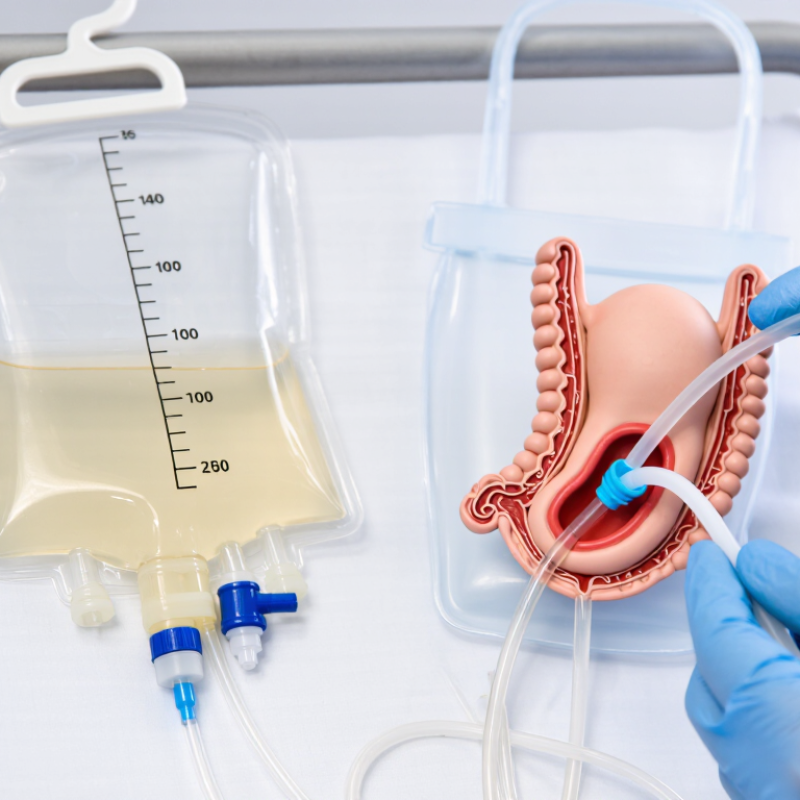
A catheter drainage bag is a sealed medical container that collects urine from the bladder. A flexible tube connects the bag to a urinary catheter placed in the bladder. Urine usually moves through the tube by gravity, not suction. The bag may hang beside a bed or attach to the leg under clothing.
The bag normally includes a collection chamber, drainage tubing, an outlet valve, and connection points. A clear surface helps healthcare workers observe urine color, volume, and visible sediment. Small air bubbles may appear in the tubing and are often harmless. A kinked tube, however, can slow drainage and create uncomfortable pressure.
In clinical care, the bag should remain below bladder level. This position supports downward flow and reduces backflow risk. The tubing should not pull on the catheter or rest beneath the body. Hands need washing before and after handling the system. The outlet valve should avoid contact with floors, containers, or other dirty surfaces.
It is not completely foolproof.
A full bag can become heavy. It may tug during movement or leak around a loose connection. Cloudy urine, blood, fever, new pain, strong discomfort, or little urine entering the bag needs prompt medical attention. Care instructions can differ after surgery, during long-term use, or with certain health conditions. A healthcare professional should confirm the correct cleaning, emptying, and replacement routine.
What Are the Main Parts of a Catheter Drainage System?
What Is a Catheter Drainage Bag and How Does It Work?
What Are the Main Parts of a Catheter Drainage System?
A catheter drainage system moves urine from the bladder into a collection bag. The catheter is a soft, sterile tube placed through the urethra. Small drainage eyes near its tip allow urine to enter. A water-filled balloon holds the catheter inside the bladder. It should never be pulled without clinical guidance.
The system also includes connector tubing, a sealed drainage bag, an anti-reflux valve, and an emptying spout. Some bags have a needle-free sampling port for clinical testing. Straps or holders keep the bag stable. The bag must remain below bladder level. This position supports gravity and helps reduce backflow. The Centers for Disease Control and Prevention identifies catheter use as a major contributor to healthcare-associated urinary tract infections. Its CAUTI guidance notes that about 15–25% of hospital patients receive urinary catheters. AHRQ’s CAUTI prevention toolkit also emphasizes closed drainage and unobstructed urine flow.
Tips: Wash hands before and after handling the system. Check for bends, leaks, or cloudy urine. Do not disconnect tubing unnecessarily. Empty the bag before it becomes heavy. Keep the outlet from touching the floor. Report fever, pain, blood, or sudden loss of drainage promptly. Small details matter. I may sound cautious, but routine handling is where many preventable problems begin. A healthcare professional should assess any persistent concern.
What Is a Catheter Drainage Bag and How Does It Work? - What Are the Main Parts of a Catheter Drainage System?
| System Part | Primary Function | How It Works | Typical Design or Material | Important Care Point |
|---|---|---|---|---|
| Urinary catheter | Drains urine from the bladder. | A flexible tube is inserted through the urethra or, in some cases, through a lower abdominal opening into the bladder. | Commonly made from medical-grade silicone, latex, or polyurethane; the choice depends on clinical needs and sensitivities. | The catheter should be inserted, secured, and replaced only according to professional medical instructions. |
| Retention balloon | Keeps an indwelling catheter in the bladder. | The balloon is inflated with sterile water after the catheter is correctly positioned inside the bladder. | Integrated into many indwelling urinary catheters; it is not used with intermittent catheters. | Never inflate the balloon before correct placement or with air unless specifically directed by a clinician. |
| Drainage tubing | Transfers urine from the catheter to the collection bag. | Urine flows through the tubing by gravity when the tubing is open, unkinked, and positioned below bladder level. | Usually flexible, transparent medical tubing designed to resist kinking and allow visual inspection. | Keep the tubing free of bends, loops, compression, and accidental disconnection. |
| Anti-reflux valve | Helps reduce the backward flow of urine toward the bladder. | A one-way valve permits urine to move into the bag while limiting reverse movement. | Often built into the drainage bag or connector assembly. | Avoid unnecessary opening or manipulation of closed drainage connections. |
| Collection chamber | Stores drained urine for measurement and later emptying. | The flexible chamber expands as urine enters and commonly includes graduated markings for approximate volume assessment. | Typically made from clear or semi-clear medical-grade plastic with a stated capacity that varies by bag type. | Keep the bag below bladder level and prevent it from touching the floor. |
| Graduated volume markings | Indicate the approximate amount of urine collected. | Healthcare professionals read the scale at eye level and record output according to clinical instructions. | Printed or molded markings commonly use milliliters as the measurement unit. | Read the markings with the bag upright and avoid using them as a substitute for clinical assessment. |
| Outlet drain valve | Allows the bag to be emptied without disconnecting it from the catheter. | The valve opens to release urine into a suitable container and closes to maintain the drainage system. | Common forms include lever, push-pull, or twist-style valves made from medical-grade plastic. | Use clean technique, avoid touching the outlet, and close the valve securely after emptying. |
| Bedside hanging hooks | Support the bag beside or below the bed. | Hooks or straps attach the bag to a bed frame or other stable support while maintaining a downward drainage path. | Usually integrated plastic hooks, loops, or adjustable straps. | Do not hang the bag from movable side rails if this could pull on the catheter. |
| Leg straps or sleeve | Secures a smaller leg bag for mobility. | Adjustable straps or a fabric sleeve distribute the bag’s weight against the thigh or calf. | Elastic straps, soft fabric, or stretchable support sleeves are commonly used. | The support should be secure but not tight enough to restrict circulation or cause skin irritation. |
| Connection port | Joins the catheter to the drainage tubing or bag. | A fitted connector creates a continuous pathway for urine and helps maintain a closed drainage system. | Designed with compatible medical-grade connectors and secure-fit junctions. | Avoid disconnecting the system unless necessary and instructed by a healthcare professional. |
Basic operating principle: Urine drains from the bladder through the catheter and tubing into the collection bag, primarily through gravity. The bag should remain below bladder level, and the system should be kept closed, unobstructed, and handled according to professional care instructions.
How Does Urine Flow Into and Out of the Bag?
A catheter drainage bag collects urine through a small tube connected to a urinary catheter. The catheter rests inside the bladder, while the tube leads to the bag. When bladder pressure rises, urine moves through the catheter and tubing. Gravity usually guides it downward. The bag should remain below bladder level.
The system is designed to stay closed. This helps reduce contamination and infection risk. Urine enters through an inlet port near the bag’s top. A one-way valve may help prevent urine from moving backward toward the bladder. The tubing must stay open and unkinked. A tight bend can slow drainage or stop it completely. Small details matter.
Urine leaves through a drain valve at the bag’s bottom. Caregivers open this valve over a clean container or toilet, then close it securely. The outlet should not touch surrounding surfaces. In practical care, the process sounds simple, but real drainage is less predictable. Body position, full tubing, or bladder spasms can change the flow. A bag that suddenly stops filling deserves attention, especially with pain, pressure, fever, leakage, or cloudy urine. Never disconnect the system casually. Follow the instructions from a qualified healthcare professional, because catheter types and care routines can differ.
What Types of Catheter Drainage Bags Are Available?
A catheter drainage bag collects urine through a flexible tube placed in the bladder. Different bags suit different routines, body sizes, and mobility needs. A leg bag is compact and attaches to the thigh or calf with soft straps. It fits under loose clothing and supports walking during the day. A bedside bag holds more urine and usually hangs beside a bed or chair. It reduces the need for frequent emptying overnight. Some people use a smaller daytime bag and connect it to a larger night bag before sleeping.
Closed drainage systems help limit unnecessary disconnections. Many bags include an anti-reflux valve, which helps prevent urine from flowing backward toward the bladder. A bottom outlet allows controlled emptying into a toilet or measuring container. Pediatric bags are smaller and need careful fitting. The best choice depends on catheter type, expected urine volume, skin condition, and daily activity. A bag that looks convenient may still pull on the catheter. That detail is easy to miss.
Tips: Keep the bag below bladder level, but never let it touch the floor. Check the tubing for bends, tight loops, or pressure under clothing. Empty the bag before it becomes heavy. Wash your hands before and after handling it. Follow the care instructions from a qualified clinician, because cleaning methods can differ. Cloudy urine, fever, new pain, blood, leakage, or very little drainage needs prompt medical advice. Personal comfort matters, but it should not replace professional assessment.
How Should a Catheter Drainage Bag Be Used and Maintained?
A catheter drainage bag collects urine from a tube placed in the bladder. It uses gravity, so the bag must remain below bladder level. This position supports steady drainage and reduces backflow. The Centers for Disease Control and Prevention reports that about 75% of hospital-acquired urinary tract infections involve a urinary catheter. Careful daily handling matters.
Wash your hands before and after touching the catheter or bag. Keep the drainage system closed whenever possible. Check the tubing for bends, pressure, or accidental pulling. Empty the bag when it is about two-thirds full, or according to clinical instructions. Use a clean container, and prevent the outlet from touching any surface. Clean the outlet as directed by your healthcare professional. Do not disconnect the system just to make cleaning easier. A small shortcut can create a larger problem. CDC CAUTI prevention guidance supports these practices, including unobstructed flow and keeping the bag below bladder level.
Keep spare supplies nearby. Check the urine color and amount daily.
Cloudy urine, strong odor, blood, fever, lower abdominal pain, leakage, or suddenly reduced flow needs prompt medical advice. Do not ignore discomfort.
Some users may clean too often or handle the tube repeatedly, thinking this improves hygiene. It may not. Follow the care plan, and ask a nurse to demonstrate the technique if any step feels uncertain.
Never change the catheter or drainage schedule without professional guidance.
Related Posts
-
How to Use a Leg Drainage Bag Effectively?
-
Why Choose a Urinary Drainage Bag for Global Healthcare?
-
China Top Drainage Bag Suppliers How to Choose?
-
How to Choose the Right Drainage Bag for Your Needs
-

Top 10 Benefits of Using a Drainage Bag for Patient Care?
-
The Best Needle Guides for Accurate Medical Procedures?