China Top Drainage Bag Suppliers How to Choose?
Choosing among China’s top drainage bag suppliers requires more than comparing prices or polished product photos. A reliable supplier should understand clinical use, fluid handling, and the risks of leakage, contamination, and poor connections. The right drainage bag must match the intended procedure, capacity, tubing length, outlet design, and patient-care requirements. These details affect daily workflow, storage, and safety.
Experience matters during supplier evaluation. Ask for clear specifications, material information, production photographs, and representative samples. Check whether the manufacturer operates a documented quality system, such as ISO 13485, and whether batch traceability is available. Independent testing may help verify seal strength, connector fit, sterility claims, and packaging performance. A serious supplier should answer technical questions directly, not only send a catalogue.
Look beyond the first quotation. Review manufacturing capacity, lead times, inspection procedures, export experience, and after-sales communication. Confirm whether customization changes the validated design or packaging process. Small details matter. A weak clamp or unclear graduation marks can create avoidable problems in practice. No supplier is perfect, and impressive certificates alone cannot prove consistent performance. Request samples, assess them under realistic handling conditions, and record your findings. This practical process helps buyers identify a dependable Chinese drainage bag supplier while protecting quality, compliance, and long-term supply stability.
What Are Drainage Bags and Where Are They Used?
What Are Drainage Bags and Where Are They Used?
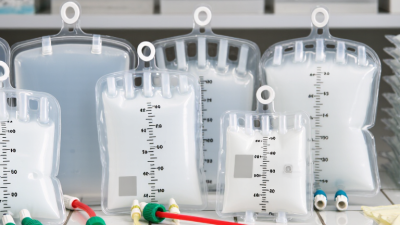
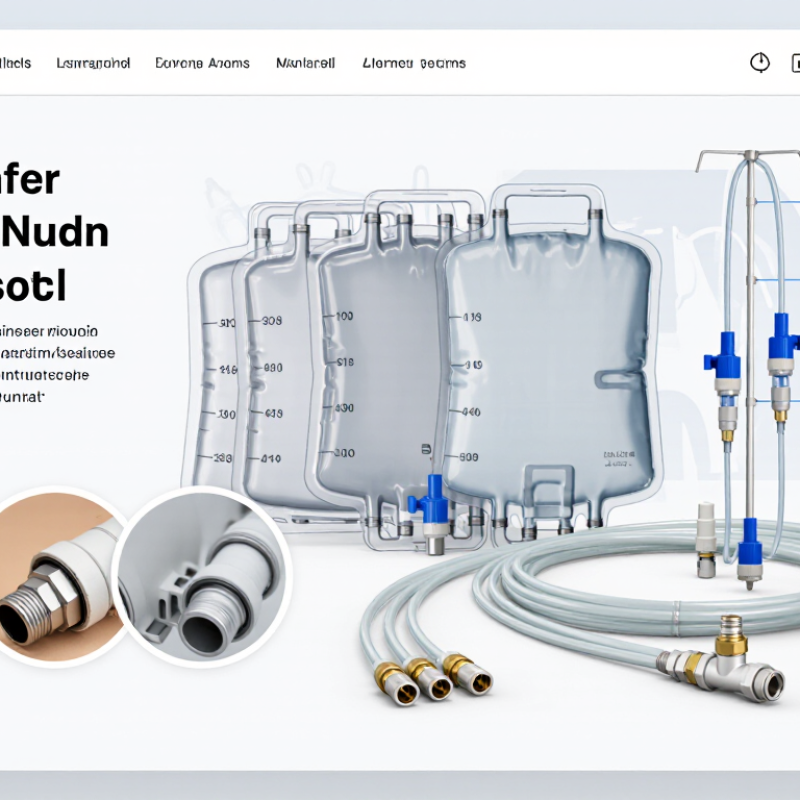
Drainage bags collect and temporarily hold body fluids. Urinary drainage bags connect to catheters and support patients with limited bladder control or mobility. Surgical drainage bags may collect wound fluid after procedures. Some systems also manage fluid from chest or abdominal drains.
The bag usually includes a flexible chamber, tubing, an outlet valve, and an anti-reflux feature. Hospitals, nursing homes, home-care settings, and emergency units use them. CDC guidance reports that catheter-associated infections account for roughly 70–80% of healthcare-associated urinary tract infections. ECDC’s 2022–2023 survey also found healthcare-associated infections in about 7.1% of acute-care patients. These figures show why drainage design, handling, and staff training matter. A clear bag helps inspection. Yet clarity alone does not prove safety.
Tips:
Check sterile packaging, leak resistance, connector compatibility, drainage speed, and readable volume marks. Ask suppliers for biocompatibility testing, quality certificates, and batch traceability. Confirm whether the bag suits adult, pediatric, bedside, or ambulatory use. Suppliers should explain their testing methods, not only display attractive specifications. Cost matters, but a cheaper valve may create more handling problems. Procurement teams should compare samples in realistic conditions. A dry product test is not enough.
How to Identify China’s Leading Drainage Bag Suppliers
Identifying China’s leading drainage bag suppliers requires more than checking export volume. A reliable supplier should show ISO 13485 certification, documented risk controls, and stable batch records. WHO reports that one in ten patients experiences harm during healthcare, and more than half of this harm is preventable. That makes leakage control, secure connectors, and clean packaging essential.
Review product details closely. Check bag capacity, drainage-tube length, anti-reflux valve design, sterile barrier packaging, and lot traceability. Ask for recent test reports covering leakage, tensile strength, sterility, and biocompatibility. The U.S. FDA’s quality-system guidance emphasizes documented production controls and corrective actions. A supplier that answers vaguely may still look impressive online. Ask for evidence. Do not guess.
Tips: Request three consecutive batch samples, not one perfect sample. Compare seal strength after transport simulation. Confirm whether the factory performs final inspection internally. Industry market data from Grand View Research indicates continued growth in urinary drainage products, driven by hospital demand and aging populations. Growth can attract weak factories, too. During evaluation, visit the production area when possible, observe cleanroom behavior, and review complaint records with dates removed only when privacy requires it. My own practical view is simple: low pricing helps procurement, but inconsistent tubing creates hidden clinical and logistics costs. A supplier may pass an audit and still need closer monitoring. That uncomfortable gap deserves attention.
Which Product Standards and Certifications Should You Check?
China Top Drainage Bag Suppliers: How to Choose?
When evaluating Chinese drainage bag suppliers, inspect product standards before comparing prices. The certificate should match the exact bag, material, intended use, and manufacturing site. Check the scope. ISO 13485 indicates a medical-device quality system, but it does not prove every product is safe. Ask for current ISO 14971 risk-management records and relevant ISO 10993 biocompatibility test reports. These reports should cover skin contact, fluid contact, and the actual bag materials. Do not accept a generic material statement as complete evidence.
Sterile products require deeper verification. Request sterilization validation under ISO 11135 for ethylene oxide or ISO 11137 for radiation. Review residual limits, packaging validation, and seal-strength testing under ISO 11607. For European sales, confirm valid CE documentation under the Medical Device Regulation, including the declaration of conformity and notified-body details when required. For China, check applicable NMPA registration or filing information. Other markets may require separate registrations, such as a United States submission.
Look closely at certificate dates and model lists. A supplier may show an impressive certificate covering another factory or product family. That mistake is easy to make. Ask for batch records, leakage test results, shelf-life data, and a traceable sample. I would also compare the printed label with the technical file. Small differences matter. One overlooked connector size can create a clinical problem. I have learned that paperwork can look complete while practical evidence remains thin. Leave room for doubt, and request an independent audit when records feel unclear.
How to Compare Quality, Pricing, Capacity, and Customization
Choosing China’s top drainage bag suppliers requires more than comparing catalog prices. Quality should be checked through material specifications, weld strength, connector fit, and leak-test records. Request recent sample batches, not only polished samples. A reliable supplier should explain sterilization validation, lot traceability, and inspection procedures clearly. If answers remain vague, treat that as a warning.
Pricing must include tooling, packaging, testing, shipping, and possible replacement costs. A cheaper bag may use thinner film or weaker seals. That difference can become expensive during storage or clinical use. Capacity also has two meanings: the bag’s fluid volume and the factory’s monthly output. Confirm both. Ask for realistic lead times during peak seasons. Customization may cover tubing length, outlet design, labels, packaging, and printed measurements. Every change should be confirmed through drawings and approved samples. Small details matter.
Tips: Compare at least three written quotations using the same specifications. Check whether the supplier can provide production photos, quality certificates, and traceable batch records. An on-site or independent audit adds useful evidence. Do not rely on promises alone. One practical lesson is easy to miss: a supplier may accept a small trial order but struggle with repeat production. Start with a controlled batch, record defects, and review communication speed before increasing volume. Mistakes can still happen, so keep acceptance standards specific and measurable.
What Steps Ensure a Safe and Reliable Supplier Selection?
China Top Drainage Bag Suppliers: How to Choose?
A safe supplier selection starts with clear product requirements. Define bag capacity, material, connector type, drainage accuracy, and packaging needs. Request samples from several suppliers. Inspect seams, tubing flexibility, clamps, labels, and drain ports under normal handling. Check whether the sample matches the technical drawing. Small differences can create serious problems.
Ask for quality-system certificates, material specifications, sterilization records, and batch traceability documents. Review leak-test methods and acceptance limits. A reliable supplier should explain how workers control defects during production, not only show finished certificates. Request recent inspection reports and test results from an independent laboratory when possible. Verify the certificate issuer and document validity. Do not rely on attractive photos.
Visit the facility, or arrange a live video audit. Observe clean areas, storage conditions, calibration labels, and packaging controls. Speak with quality staff, not only sales representatives. Request customer references with similar product requirements and delivery volumes. Confirm complaint handling, replacement procedures, lead times, and change-notification rules in writing. Keep a signed quality agreement and approved sample. No checklist is perfect. A common mistake is trusting one successful shipment. Recheck performance across multiple batches, because consistency matters more than a polished first impression.