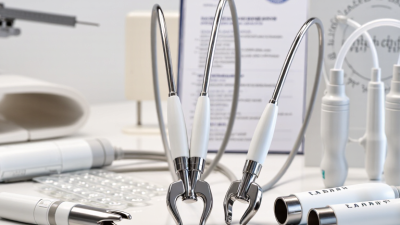
Why Is a Heart Biopsy Needed?
A heart biopsy, formally called endomyocardial biopsy, examines tiny heart-muscle samples under a microscope. Doctors usually obtain them through a thin catheter placed in a neck or groin vein. The sample may reveal transplant rejection, myocarditis, infiltrative disease, or unexplained heart failure.
It is not a routine screening test. The 2007 American Heart Association scientific statement, led by cardiologist Leslie T. Cooper Jr., noted that endomyocardial biopsy can diagnose several myocardial diseases when clinical evidence is insufficient. Cooper and colleagues wrote that it “has been used for more than 40 years to diagnose a wide variety of myocardial diseases.” The 2022 AHA/ACC/HFSA Heart Failure Guideline recommends biopsy in selected patients with rapidly worsening heart failure, especially when the result could change treatment.
That distinction matters. A biopsy heart procedure can provide evidence when scans and blood tests disagree. It can also prevent treatment based on an attractive but incorrect theory. However, tissue is limited, and sampling can miss uneven disease. The AHA report described major complications as uncommon, but not impossible, with reported rates around 0.2% to 0.6%. Patients may feel pressure during catheter placement, followed by brief observation and rhythm monitoring.
The decision should be individualized. A specialist weighs symptoms, imaging, medication risks, and the likely value of tissue. Sometimes, the answer remains uncertain. That is uncomfortable, but honest medicine makes uncertainty visible.
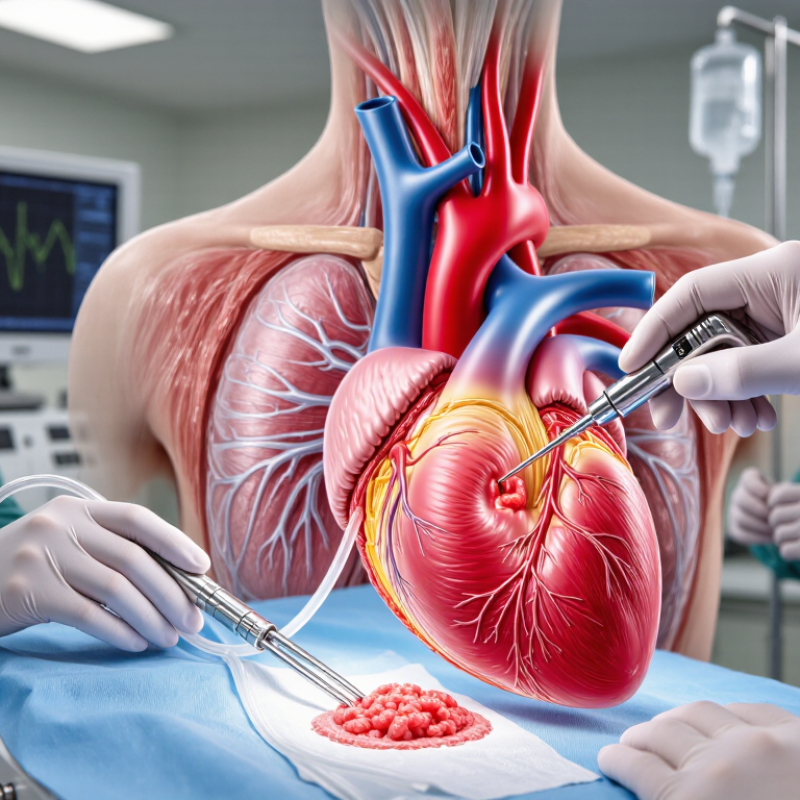
What Is a Heart Biopsy?
Why Is a Heart Biopsy Needed?
A heart biopsy, or endomyocardial biopsy, removes tiny pieces of heart muscle for laboratory examination. A cardiologist usually guides a thin catheter through a vein in the neck or groin. Using imaging, the catheter reaches the inside of the heart. Small tissue samples are then collected with miniature grasping tools. The patient often receives local anesthetic and may feel pressure, but not sharp pain.
Doctors may recommend this test when heart muscle inflammation, unexplained weakness, or certain infiltrative diseases are suspected. It can also help monitor possible rejection after a heart transplant. The tissue may reveal changes that blood tests, scans, or an electrocardiogram cannot confirm. A biopsy is not needed for every heart condition. It also is not entirely risk-free. Bleeding, abnormal heart rhythms, infection, or, rarely, damage to the heart can occur. The decision should match the patient’s symptoms, medical history, and expected benefit. I once underestimated how important the patient’s questions could be; clear discussion often changes the experience.
Tips: Ask why the biopsy is recommended and what alternatives exist. Confirm which medicines should be paused, especially blood thinners. Arrange transportation if sedation is planned. Afterward, report chest pain, faintness, heavy bleeding, fever, or worsening shortness of breath promptly. Expect careful monitoring before and after the procedure.
Why Is a Heart Biopsy Needed?
What Is a Heart Biopsy?
An endomyocardial biopsy removes very small samples of heart muscle for microscopic and laboratory analysis. It may be considered when doctors need tissue confirmation of conditions such as transplant rejection, unexplained fulminant myocarditis, cardiac sarcoidosis, or other infiltrative cardiomyopathies. A biopsy is not routinely used for ordinary chest pain or uncomplicated heart failure because it is an invasive procedure and other tests are often sufficient.
Chart key: 1 indicates a recognized clinical use; 0 indicates that the situation is not a routine indication for heart biopsy. Clinical decisions depend on the individual patient and specialist assessment.
How Is a Heart Biopsy Performed?
A heart biopsy is usually performed to examine a very small piece of heart muscle under a microscope. Doctors may recommend it when they need evidence of inflammation, rejection after transplantation, or certain unexplained heart problems. The procedure is carefully planned after reviewing medical history, medicines, blood tests, and imaging results.
The patient lies on a procedure table while monitors track heart rhythm, blood pressure, and oxygen levels. After cleaning the skin, a clinician numbs an area, often in the neck or groin. A thin, flexible tube enters a vein and moves toward the right side of the heart. X-ray or ultrasound guidance helps confirm its position. A tiny instrument then removes several tissue samples, each smaller than a grain of rice.
You may feel pressure.
You should not feel sharp pain, although sensations can vary. I would not describe the experience as completely comfortable. The team watches for rhythm changes, bleeding, or other uncommon complications throughout the test. Afterward, staff usually apply pressure to the entry site and observe you for several hours. Keep the area clean and report increasing pain, swelling, fever, chest discomfort, or shortness of breath. Recovery is often quick, but individual instructions matter more than general timelines. Ask how your medicines, activity, and test results will be managed before leaving.
Why Do Doctors Recommend a Heart Biopsy?
Doctors recommend a heart biopsy when they need tissue evidence, not just images or blood tests. The procedure is often called an endomyocardial biopsy. A doctor guides a thin tube through a blood vessel, usually from the neck or groin, toward the heart. A tiny tool then removes several tissue samples. These samples are examined for inflammation, infection, unusual cells, or signs of rejection after a heart transplant.
A biopsy may help investigate unexplained heart failure, dangerous rhythm changes, or suspected myocarditis. It can also show whether treatment is working. Blood tests and scans provide important clues, but they cannot always identify the exact cause. Tissue can answer a different question. That evidence may change the treatment plan.
The test is usually performed in a hospital with local numbing medicine. Patients may feel pressure, but sharp pain should be reported. Like any invasive procedure, it carries risks, including bleeding, infection, abnormal rhythms, or rare damage to the heart. Doctors recommend it when the possible benefit outweighs those risks. The decision should consider symptoms, previous test results, medical history, and safer alternatives.
The word biopsy can feel frightening. That reaction is understandable. Medicine is not always tidy, and a biopsy does not guarantee a simple answer. Patients should ask why the test is needed, what it may reveal, and what could happen if it is delayed.
What Conditions Can a Heart Biopsy Detect?
Why Is a Heart Biopsy Needed?
A heart biopsy examines a tiny piece of heart muscle under a microscope. Clinicians often use it when blood tests, scans, or electrocardiograms cannot explain serious heart problems. The procedure usually uses a thin catheter through a blood vessel, often in the neck or groin. Small tissue samples are then collected for laboratory analysis.
What Conditions Can a Heart Biopsy Detect?
A biopsy can help detect myocarditis, an inflammation caused by infection, immune activity, or other triggers. It may also identify cardiomyopathies, which weaken or stiffen the heart muscle. Some samples reveal infiltrative diseases, such as amyloidosis or sarcoidosis. These conditions can leave abnormal proteins, inflammatory cells, or scar-like changes in the tissue.
Biopsy findings are especially important after a heart transplant. They can show rejection before symptoms become obvious, allowing doctors to adjust treatment promptly. The test may also help investigate unexplained heart failure, unusual thickening, or dangerous rhythm problems. It is not a perfect test. A sample can miss diseased tissue because heart damage may be uneven. Results must be interpreted with imaging, symptoms, and medical history. Sometimes the answer remains uncertain. That can be frustrating for both patients and clinicians. Still, tissue evidence may reveal details that noninvasive tests cannot show. A cardiology team should explain the expected benefit, possible bleeding or rhythm risks, and whether another test could provide safer answers.
What Are the Risks and Alternatives?
A heart biopsy, usually an endomyocardial biopsy, removes tiny heart-muscle samples through a catheter. Doctors may recommend it when myocarditis, transplant rejection, or an unusual inflammatory disease is suspected. The sample can reveal changes that scans cannot confirm. In practice, the decision depends on symptoms, imaging, blood tests, and how quickly treatment is needed.
The risks are real, although uncommon. Large contemporary studies report major complications below 1% in experienced centers. Possible problems include bleeding, abnormal heart rhythms, blood-vessel injury, infection, or heart-wall perforation. Perforation can cause cardiac tamponade, sometimes requiring urgent drainage.
Sedation and contrast exposure may add separate concerns. Numbers are reassuring, not guarantees. A biopsy can also miss disease because inflammation may appear in scattered areas. That limitation deserves a direct conversation.
Alternatives may include cardiac magnetic resonance imaging, echocardiography, metabolic imaging, blood testing, or genetic evaluation. The 2013 European expert position paper on cardiovascular magnetic resonance describes imaging as valuable for identifying myocardial inflammation and scar patterns. However, imaging cannot always distinguish similar conditions or prove transplant rejection.
A 2021 European guideline recommends biopsy selectively, especially when a specific diagnosis could change immediate treatment. Sometimes observation and repeat imaging are reasonable. Sometimes they are not. The difficult part is accepting that no test is perfect, including the invasive one.
Ask how the result would change treatment, who performs the procedure, and what happens if the sample is inconclusive.
Related Posts
-
2026 Best Heart Biopsy Devices for Global Buyers
-

2026 How to Prepare for a Biopsy Heart Procedure?
-

How to Prepare for a Heart Biopsy Procedure?
-
How to Choose the Best Catheter Fixation Device in 2026?
-
The Best Needle Guides for Accurate Medical Procedures?
-
2026 Top Argon Drainage Bag Suppliers for Global Buyers