China Top Three Way Stopcock Manufacturers and Suppliers

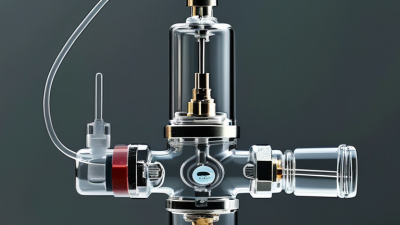
A three way stopcock may look like a small component, but it controls how fluids move through connected medical lines. Buyers need more than a low quoted price. They should check flow direction, leakage performance, pressure limits, material compatibility, sterilization evidence, and batch traceability. Small details matter. A stiff handle or unclear port marking can complicate routine use.

The wider market offers useful context, though it does not measure stopcock demand directly. Grand View Research estimated the global medical devices market at USD 518.46 billion in 2023. OECD’s Health at a Glance 2023 reported average health expenditure of 9.2% of GDP across OECD countries in 2022. These figures show the scale of healthcare purchasing, not a guaranteed market for any single product. That distinction matters.

This guide examines three Chinese manufacturers and suppliers through practical purchasing questions: product range, quality documentation, production capability, and export support. For a closer review, request current technical files and test evidence, then confirm that specifications match the intended application. Public catalog pages often leave important details unstated. That is a real limitation. A supplier’s claims should be checked against documented performance, applicable standards, and the buyer’s own clinical and procurement requirements. A polished brochure alone is not enough.
China Top Three Way Stopcock Manufacturers and Suppliers

Three-Way Stopcocks: Design, Functions, and Applications

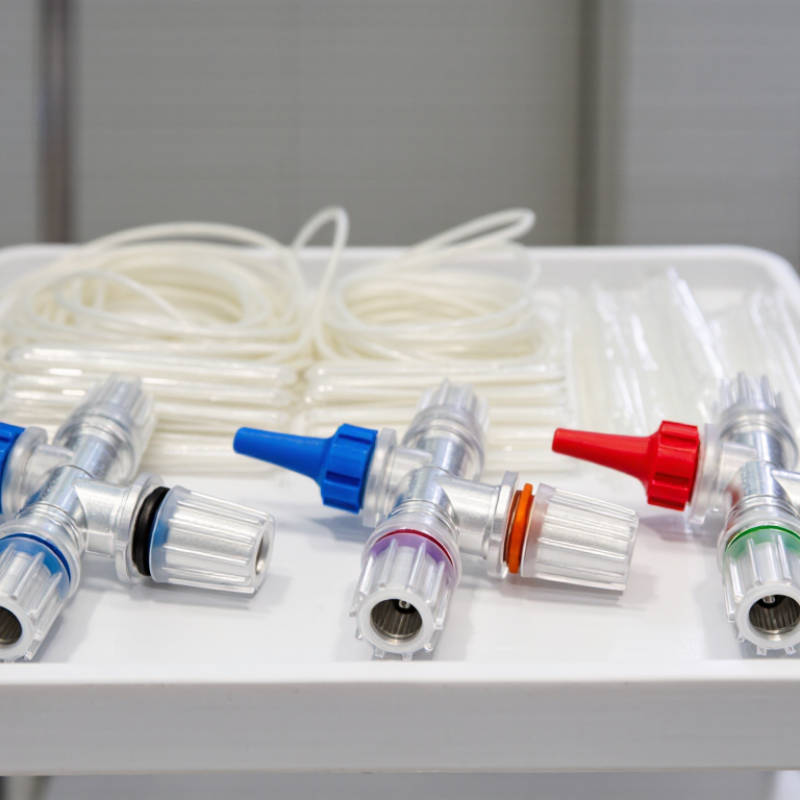
A three-way stopcock uses a rotating plug to connect one port with either of the other two. Turning the handle changes the flow path, allowing clinicians to direct, stop, or combine fluids through connected lines. Clear position markings matter: a small turn can change which route is open. Luer connectors should fit securely, while the valve’s internal volume should remain low to limit residual fluid. Small part. High stakes.

These valves are used in infusion and monitoring setups where several lines meet, including situations requiring access for medication or pressure measurement. Material compatibility, leak resistance, and smooth handle movement are practical selection checks; a stiff or unclear control can invite handling errors. The World Health Organization’s 2022 Global Report on Infection Prevention and Control estimates that 7% of patients in acute-care hospitals in high-income countries, and 15% in low- and middle-income countries, acquire at least one healthcare-associated infection during their stay. This figure is not specific to stopcocks, but it underscores why aseptic access and disinfection between connections matter. A catalog diagram is not enough: staff should confirm the actual flow position and follow the device instructions. The detail is easy to overlook.

Key Criteria for Evaluating Chinese Manufacturers and Suppliers

China Top Three Way Stopcock Manufacturers and Suppliers

Key Criteria for Evaluating Chinese Manufacturers and Suppliers

When evaluating Chinese three-way stopcock suppliers, request evidence for the exact product, not just a general quality certificate. Check material specifications, fluid-path drawings, leak and pressure test methods, sterilization validation, and batch traceability. Ask how changes to resin, tooling, or assembly are documented. A sample that turns smoothly is useful, but it cannot prove consistent performance across production lots.

The World Health Organization’s 2017 report estimated that about one in ten medical products in low- and middle-income countries may be substandard or falsified. This broad estimate is not specific to stopcocks, but it underscores why documented controls matter. Review inspection records, nonconformance handling, and corrective-action evidence. Small details matter. Look for testing that reflects intended use, including leakage at connections and reliable movement of the handle after sterilization.

Factory audits can clarify whether procedures match daily practice. Observe incoming-material checks, clean assembly areas, and packaging controls. Ask for recent lot records and verify that product specifications match the samples and quotation. Paper is not proof. A polished audit file is not the whole story; production changes and supplier subcontracting can be easy to miss. Make those questions part of qualification.

Profiles of Three Leading Chinese Three-Way Stopcock Manufacturers

China’s three-way stopcock manufacturers differ in production scale, engineering focus, and customer support. A useful comparison looks beyond catalog photographs. Check connector dimensions, flow-path design, material specifications, and inspection records. Small details matter.

The first manufacturer profile is a high-volume producer focused on consistent assembly. Its strengths may include automated processes, stable output, and capacity for repeat orders. Buyers can request samples and compare turning resistance, connection fit, and visible molding quality. Smooth operation is not enough; documentation should also be clear.

A second profile emphasizes product development and customization. This type of supplier may adapt connector configurations or packaging to meet project requirements. Confirm which changes are supported by controlled production, rather than discussed only during sales conversations. The third profile is an export-oriented manufacturer with established quality procedures and responsive technical communication. Ask how it handles batch traceability, inspection criteria, and production changes. These profiles are comparison points, not verified ratings of individual companies. A supplier’s claims still need checking, and sample testing can reveal issues that polished brochures miss. That step takes time. It is worth it.

Port Count by Stopcock Configuration

A basic comparison of common stopcock configurations by the number of connection ports.

A three-way stopcock has three ports, which can be opened or closed in different combinations to direct fluid flow.

Manufacturing Standards, Quality Control, and Product Certifications

China Top Three Way Stopcock Manufacturers and Suppliers

Manufacturing Standards, Quality Control, and Product Certifications

When comparing three-way stopcock manufacturers and suppliers in China, look beyond price and catalogue photos. Ask how each supplier controls molding, assembly, and packaging. A reliable process should define inspection criteria for the handle, ports, and rotating plug. Small defects matter. A rough rotation or loose connection can disrupt a clinical workflow.

Quality checks should include leak testing, connection-fit inspection, and documented sampling plans. Ask whether production lots can be traced to material records and inspection results. For products intended for patient contact, request relevant biocompatibility evidence and test reports. Certifications such as ISO 13485 describe a quality management system; they do not, by themselves, prove every product meets every market’s requirements. Product registration and conformity documents vary by destination. Verify scope, validity, and model coverage directly. Paperwork can look convincing, yet still leave gaps.

Tips: Request a sample and its matching quality documents. Check the stopcock’s rotation by hand, inspect the ports under good light, and confirm packaging details. Ask how nonconforming units are handled. A supplier may answer well, but one review is never enough.

Comparing Supplier Capabilities, Customization, and After-Sales Support

Choosing among China’s three-way stopcock manufacturers and suppliers requires more than comparing quoted prices. Ask each supplier for a clear specification sheet covering body material, connector dimensions, flow path, and handle orientation. Small differences matter. A mismatched connector can complicate assembly, while a poorly aligned handle may be difficult to operate in a crowded setup. Request samples and check for smooth turning, secure connections, and visible leakage under the intended test conditions. These checks do not replace formal quality records, but they reveal practical issues early. Reliable suppliers should also explain how they control production batches and provide relevant inspection documents.

Customization is useful when standard dimensions or packaging do not suit your application. Share drawings, target quantities, and material requirements, then ask what changes affect tooling, lead time, or minimum order size. Be cautious of vague promises. A realistic supplier will identify limits and confirm agreed details in writing. After-sales support matters just as much: clarify response times, how complaints are investigated, and whether replacement samples or corrective-action reports are available. Ask for a named technical contact. Even a responsive team can misunderstand a drawing, so keep approvals and revisions documented. Compare the quality of answers, not only their speed.

China Top Three Way Stopcock Manufacturers and Suppliers - Comparing Supplier Capabilities, Customization, and After-Sales Support

Supplier comparison guide: This table lists evidence and questions to use when evaluating three prospective suppliers. It does not represent verified ratings or claims about specific companies.

Comparison Dimension Supplier 1 — Evaluate Supplier 2 — Evaluate Supplier 3 — Evaluate
Product Range Confirm available three-way configurations, connector types, flow paths, and intended use. Check whether the supplier offers the required standard sizes and compatible accessories. Request a current product catalogue and confirm that the quoted model matches the intended application.
Materials and Design Request material specifications for the body, handle, seals, and connectors; check compatibility with the intended fluids and use conditions. Ask for drawings or samples to review dimensions, port layout, rotation, and connection fit. Verify that any material or design change is documented and included in the product specification.
Customization Ask whether the supplier can assess requested changes to connectors, colour, packaging, labelling, or product configuration. Request written confirmation of feasibility, tooling requirements, sample timing, and minimum order quantity for each change. Confirm how custom specifications are approved, controlled, and applied to production orders.
Quality Management Request the current quality-management-system certificate, issuing body, scope, and validity dates; verify them with the issuer where possible. Ask how incoming materials, production processes, and finished products are inspected and recorded. Request information on nonconformance handling, corrective actions, traceability, and change control.
Regulatory Documentation Identify the destination market and intended device classification before requesting applicable declarations and technical documents. For EU sales, check which applicable medical-device rules and conformity-assessment route apply to the particular product. For US sales, verify applicable FDA requirements for the product and establishment; registration or listing alone is not FDA approval or endorsement.
Testing and Validation Ask for test methods and product-specific reports relevant to leakage, connection security, operation, and intended use. Confirm that test reports identify the tested model, configuration, and applicable acceptance criteria. Ask how changes to materials, design, or manufacturing are reviewed for their effect on test evidence.
Sterilization and Packaging Confirm whether the quoted product is supplied sterile or non-sterile and request supporting product documentation. If supplied sterile, ask for the sterilization method and applicable validation and packaging evidence. Check packaging configuration, labelling, storage conditions, and any stated shelf-life evidence for the specific product.
Production and Lead Time Request a written quotation showing order quantity, production lead time, and delivery terms. Ask how the supplier communicates schedule changes and manages capacity for repeat orders. Confirm whether sample and mass-production schedules differ and what conditions may affect the quoted dates.
After-Sales Support Ask for the process and contact channel for product complaints, technical questions, and quality issues. Confirm the information required to investigate a complaint, such as model, lot number, and issue description. Request written terms for replacement, corrective action, and any applicable warranty or return process.
Recommended Verification Compare the quotation, product specification, sample, and supporting documents before placing an order. Check that company, product, and certification details are consistent across the documents received. Record unresolved questions and obtain written answers before approving a custom design or production order.

Note: Regulatory, testing, sterilization, and documentation requirements depend on the product configuration, intended use, and destination market. Verify current requirements with the relevant regulator or a qualified compliance professional.